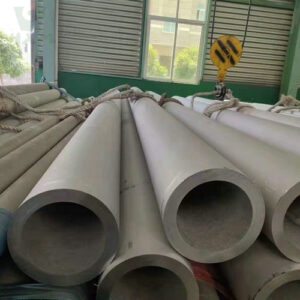
In the field of industrial manufacturing, machining parts, corrosion-resistant components, and equipment fabrication, many buyers often compare AISI 316 Stainless Steel vs EN 1.4104 Stainless Steel when selecting materials. Although both belong to the stainless-steel family, their internal metallurgical structures, corrosion resistance, mechanical properties, machinability, and cost levels differ significantly.
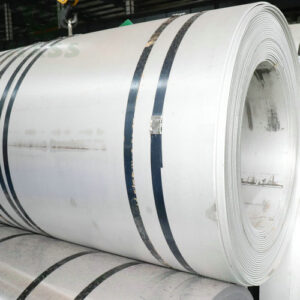
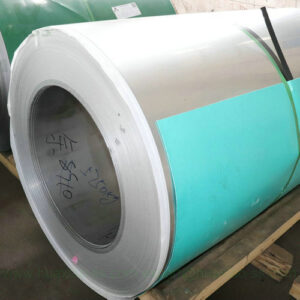
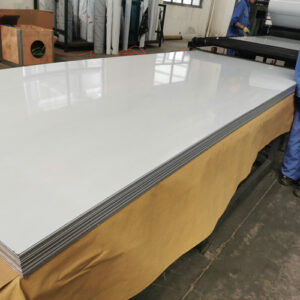
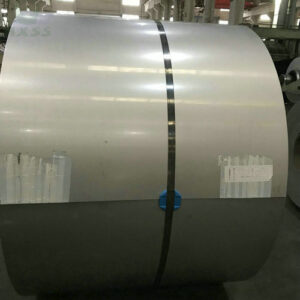
At Huaxiao Metal, we supply both 316 stainless steel and EN 1.4104 stainless steel to customers worldwide. Drawing on our extensive experience in material selection for global engineering projects, this article will provide a full, professional comparison of these two grades. Whether you are a manufacturer, distributor, engineer, or long-term procurement manager, this guide will help you make a clearer purchasing decision.
AISI 316 vs EN 1.4104 Stainless Steel at a Glance
Property / Feature | AISI 316 Stainless Steel | EN 1.4104 Stainless Steel |
|---|---|---|
Material Class | Austenitic Stainless Steel | Ferritic Free-Machining Stainless Steel |
Equivalent Grade | UNS S31600 | AISI 430F / UNS S43020 |
EN Designation | 1.4401 / 1.4436 | 1.4104 (X14CrMoS17) |
Chemical Composition | High Ni (10–14%), Mo (2–3%) | High Cr (15.5–17.5%), Sulfur Added for Machinability |
Corrosion Resistance | Excellent | Moderate |
Machinability | Fair to Poor | Excellent |
Weldability | Excellent | Limited |
Magnetism | Generally Non-Magnetic | Magnetic |
Heat Treatment Response | Cannot Be Hardened by Heat Treatment | Not Commonly Heat Hardened |
Marine Environment Suitability | Excellent | Not Recommended |
CNC Machining Performance | Moderate | Excellent |
Typical Applications | Marine Equipment, Chemical Processing, Food Processing Equipment | Shafts, Fasteners, CNC Components, Valve Parts |
Relative Cost | Higher | Lower |
Primary Advantage | Superior Corrosion Resistance | Superior Machinability |
Best Choice For | Corrosive Environments | High-Speed Machining |
Quick Recommendation
| If You Need… | Choose |
|---|---|
| Maximum Corrosion Resistance | AISI 316 |
| Marine or Coastal Applications | AISI 316 |
| Chemical Processing Equipment | AISI 316 |
| Food Processing Equipment | AISI 316 |
| Fast CNC Machining | EN 1.4104 |
| Automatic Lathe Production | EN 1.4104 |
| Better Chip Breaking Performance | EN 1.4104 |
| Lower Manufacturing Cost | EN 1.4104 |
| High-Volume Precision Components | EN 1.4104 |
In summary, AISI 316 stainless steel is the preferred choice for applications requiring excellent corrosion resistance, particularly in marine, chemical-processing, pharmaceutical, and food-grade environments. Its molybdenum-enhanced composition provides superior protection against chlorides and harsh industrial conditions.
EN 1.4104 stainless steel (commonly associated with AISI 430F) is designed for high-speed machining and automated production. Thanks to its sulfur-enhanced composition, it offers excellent chip control, improved tool life, and lower machining costs, making it an ideal material for shafts, fasteners, valve parts, and other precision-machined components.
Choose AISI 316 if corrosion resistance is your top priority, especially for marine, coastal, chemical, or food-processing applications.
Choose EN 1.4104 (430F) if your primary goal is machining efficiency, production speed, and cost-effective manufacturing of precision components.
What Is 316 Stainless Steel? (AISI 316 Definition & Properties)
AISI 316 is an austenitic stainless steel known for its exceptional corrosion resistance, especially in chloride-rich and marine environments. It is sometimes referred to as marine-grade stainless steel due to its ability to withstand saltwater, chemicals, acids, and harsh industrial conditions.
Chemical Composition of 316
Chromium (Cr): 16–18%
Nickel (Ni): 10–14%
Molybdenum (Mo): 2–3%
Carbon (C): ≤0.08%
Manganese (Mn): ≤2%
Silicon (Si): ≤1%
Molybdenum is the key element that significantly enhances pitting resistance, making 316 stainless steel suitable for marine environments and chemical processing.
Key Features of 316 Stainless Steel
Outstanding resistance to chlorides, seawater, and acids
Excellent ductility, toughness, and weldability
Can operate continuously at high temperatures (up to 870°C)
Smooth surface and hygienic properties suitable for the food and medical industries
Non-magnetic in the annealed condition
Applications of 316 Stainless Steel
316 is widely used in:
Marine hardware and coastal architectural components
Heat exchangers, chemical tanks, and industrial piping
Food processing equipment
Pharmaceutical machinery
Medical implants and surgical instruments
High-end kitchen appliances
Oil & gas components
For buyers requiring excellent corrosion performance, 316 is a top choice.
What Is EN 1.4104 Stainless Steel? (AISI 430F Definition & Properties)
EN 1.4104 (X14CrMoS17), commonly associated with AISI 430F, is a sulfur-enhanced free-machining stainless steel designed for high-speed machining applications. Its excellent chip-breaking characteristics and reduced tool wear make it an ideal choice for CNC machining, automatic screw machines, shafts, valve components, and precision-engineered parts. While it offers moderate corrosion resistance, its primary advantage lies in superior machinability and production efficiency.
Chemical Composition of EN 1.4104
Chromium (Cr): 15–17%
Nickel (Ni): ≤0.6%
Sulfur (S): 0.15–0.35%
Carbon (C): 0.08–0.12%
Manganese (Mn): ≤1%
Silicon (Si): ≤1%
The addition of sulfur improves machinability but slightly reduces corrosion resistance compared to standard ferritic stainless steels.
Key Features of EN 1.4104 Stainless Steel
Extremely easy to machine
High hardness and good wear resistance
Creates short chips that do not wrap around the cutting tool
Ideal for fast-turning automatic lathes
Cost-effective compared to 316
Moderate corrosion resistance
Applications of EN 1.4104 Stainless Steel
Common uses include:
CNC and lathe-machined components
Automotive fasteners and shafts
Screws and bolts
Valve components and pump parts
Bushings, pins, connectors
Electronic hardware
Precision machined fittings
If machining efficiency and cost control are your primary concerns, EN 1.4104 is an optimal choice.
AISI 316 Stainless Steel vs EN 1.4104 Stainless Steel Chemical Composition Comparison Table
| Element | AISI 316 | EN 1.4104 (AISI 430F) |
|---|---|---|
| Metallurgical Type | Austenitic | Ferritic (Free-Machining) |
| Chromium (Cr) | 16–18% | 15–17% |
| Nickel (Ni) | 10–14% | ≤0.6% |
| Molybdenum (Mo) | 2–3% | — |
| Sulfur (S) | ≤0.03% | 0.15–0.35% |
| Carbon (C) | ≤0.08% | 0.08–0.12% |
| Magnetic | Non-magnetic | Magnetic |
| Relative Cost | High | Low |
From the chemical composition alone, the differences in performance become clear: the high nickel and molybdenum content in 316 make it a corrosion-resistant leader, while high sulfur content in 1.4104 makes it ideal for machining.
AISI 316 Stainless Steel vs EN 1.4104 Stainless Steel Mechanical Properties Comparison
| Property | AISI 316 | EN 1.4104 |
|---|---|---|
| Tensile Strength | ~515 MPa | ~450–600 MPa |
| Yield Strength | ~205 MPa | ~350 MPa (higher) |
| Elongation | 40–60% | 15–20% |
| Hardness (HB) | 150–160 | 180–220 |
| Machinability | Low–Medium | Excellent |
| Weldability | Excellent | Poor–Fair |
Key Takeaways
316 is more ductile and easier to weld, suitable for forming and fabrication.
1.4104 offers higher hardness and better machinability, making it ideal for machining shops.
AISI 316 Stainless Steel vs EN 1.4104 Stainless Steel Corrosion Resistance Comparison
316 Stainless Steel — Superior Corrosion Resistance
316 offers excellent resistance to:
Chlorides (saltwater)
Acids
Industrial chemicals
High-humidity environments
Pitting and crevice corrosion
For chemical plants, marine equipment, and outdoor structures, 316 significantly outperforms 1.4104.
EN 1.4104 — Moderate Corrosion Resistance
Due to its sulfur content, corrosion resistance is lower than standard 430 or 304. It is suitable for:
Indoor environments
Mild corrosion environments
Components requiring high machining efficiency
Not suitable for seawater, acids, brine, heavy moisture, or high-temperature corrosion conditions.
AISI 316 Stainless Steel vs EN 1.4104 Stainless Steel Machinability Comparison
| Aspect | 316 | 1.4104 |
|---|---|---|
| Cutting Speed | Slow | Very fast |
| Chip Formation | Long, sticky | Short, brittle |
| Tool Wear | High | Low |
| CNC Suitability | Medium | Excellent |
| Surface Finish | Medium | High |
1.4104 is specifically designed for machining, making it the best option for:
Automotive screw production
Valve spindles
CNC milled connectors
High-volume lathe parts
Application Comparison: Where Should You Use Each?
| Application | AISI 316 | EN 1.4104 |
|---|---|---|
| Marine parts | ✔ Best choice | ✘ Not recommended |
| Chemical processing | ✔ | ✘ |
| Medical and food equipment | ✔ | ✘ |
| High-precision CNC parts | △ Possible | ✔ Excellent |
| Screws, fasteners | △ | ✔ |
| Automotive components | ✔ | ✔ |
| High-temperature components | ✔ | △ |
| Budget-sensitive projects | ✘ | ✔ |
AISI 316 Stainless Steel vs EN 1.4104 Stainless Steel Cost Comparison: Which Is Cheaper?
316 Stainless Steel Cost
Higher, due to:
Nickel content
Molybdenum content
Higher corrosion performance
Specialized industrial usage
EN 1.4104 Stainless Steel Cost
Lower, because:
Low nickel
Simple refining process
Designed for mass machining
If budget is a main consideration, EN 1.4104 is significantly more cost-effective.
Which Material Should You Choose? — Professional Advice from Huaxiao Metal
You should choose AISI 316 stainless steel if:
You need strong corrosion resistance
The environment contains seawater, salt spray, acid, or chemicals
You are making food/medical-grade products
Weldability and forming performance are required
You should choose EN 1.4104 stainless steel if:
You need high machinability
You produce CNC-machined or lathe-turned parts
You need high hardness or wear resistance
You need to reduce costs
The environment is indoor or mildly corrosive
If you are unsure which grade fits your application, Huaxiao Metal can provide professional stainless steel material selection suggestions based on working conditions, environment, cost budget, and lifespan requirements.
FAQ — AISI 316 Stainless Steel vs EN 1.4104 Stainless Steel
Which is better for corrosion resistance: AISI 316 or EN 1.4104?
316 is far superior in corrosion resistance due to nickel and molybdenum. EN 1.4104 is not suitable for marine or chemical environments.
Is EN 1.4104 stainless steel magnetic?
Yes. As a ferritic grade, EN 1.4104 is magnetic.
316 is non-magnetic in the annealed state.
What is EN 1.4104 stainless steel used for?
It is widely used for screws, shafts, fasteners, and CNC-machined components due to its excellent machinability.
Is EN 1.4104 equivalent to AISI 316?
No, they are completely different. AISI 316 is a non-magnetic austenitic steel for use in highly corrosive environments, while EN 1.4104 (commonly associated with AISI 430F) is a sulfur-enhanced free-machining stainless steel designed for automated machining and CNC production.
Which grade is easier to machine?
EN 1.4104 stainless steel is much easier to machine than AISI 316. It was specifically developed for high-speed machining and automatic screw machine applications. The sulfur content helps break chips efficiently, reducing tool wear and increasing productivity.
Can EN 1.4104 stainless steel be used in marine environments?
Generally, no. EN 1.4104 is not recommended for seawater or highly corrosive marine environments because its corrosion resistance is considerably lower than that of AISI 316. For coastal or offshore applications, 316 stainless steel is usually the preferred choice.
Which stainless steel is better for food processing equipment?
AISI 316 is generally preferred for food processing equipment because of its superior corrosion resistance, excellent hygiene properties, and compliance with many food-grade application requirements.
Can EN 1.4104 replace AISI 316 stainless steel?
Not usually. While EN 1.4104 provides excellent machinability, it cannot match the corrosion resistance of AISI 316. Material selection should be based on the service environment and performance requirements.
Which stainless steel is more expensive?
AISI 316 is more expensive.
EN 1.4104 is economical and ideal for cost-sensitive projects.
How do I choose between AISI 316 and EN 1.4104 stainless steel?
Choose AISI 316 if corrosion resistance, hygiene, or marine performance is the priority. Choose EN 1.4104 if high-speed machining, dimensional precision, and manufacturing efficiency are the primary requirements.
Need help selecting the right stainless steel grade for your project? Contact Huaxiao Metal for professional material recommendations, technical support, and competitive quotations.
Does Huaxiao Metal supply 316 and 1.4104 stainless steel?
Yes. We supply 316/316L and EN 1.4104/430F in:
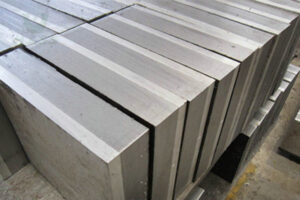
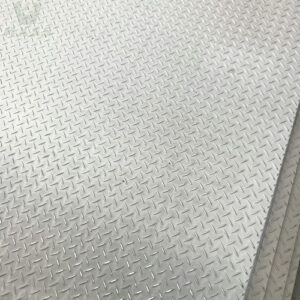
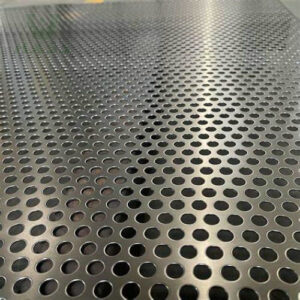
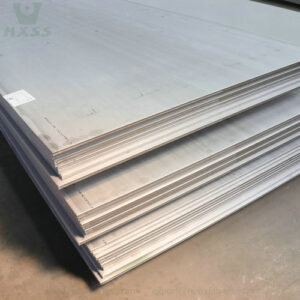
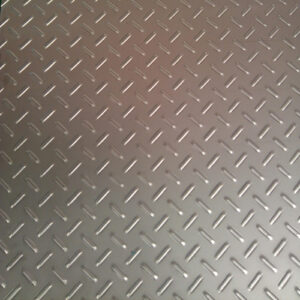
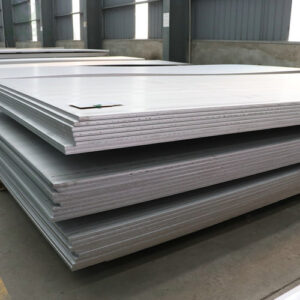
Sheets and plates
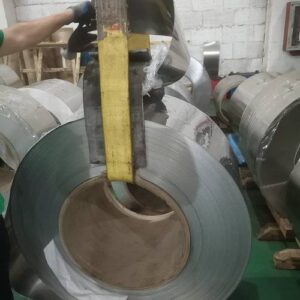
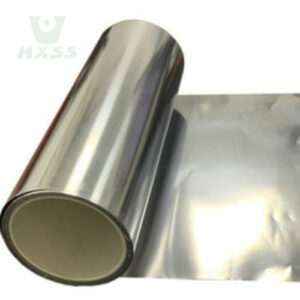
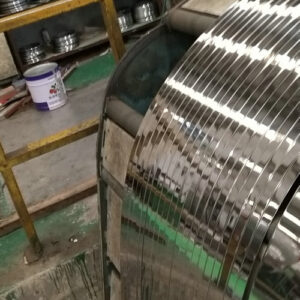
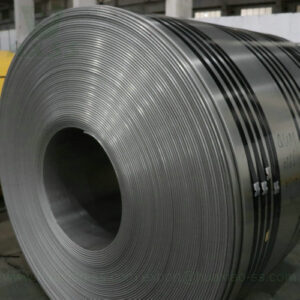
Coils and strips
Round bars and wires
Customized CNC-machined parts
We also offer cutting, polishing, slitting, and packaging services.
Conclusion: AISI 316 Stainless Steel vs EN 1.4104 Stainless Steel — Which One to Choose?
When comparing AISI 316 Stainless Steel vs EN 1.4104 Stainless Steel, the correct selection depends on your application:
If your priority is corrosion resistance, choose AISI 316.
If your priority is machinability and cost, choose EN 1.4104.
Both materials are excellent in their own domains, but they are not interchangeable.
At Huaxiao Metal, we help global customers select the most suitable stainless steel for their projects. We maintain large stock, stable prices, and reliable quality from certified manufacturers.
Looking for a quote? Contact Huaxiao Metal today to get the latest prices and availability.
Send us your drawings or requirements — our engineers will recommend the ideal grade for your application.