When it comes to stainless steel material selection, 18-8 stainless steel vs 316 stainless steel are common options. Both materials have advantages and limitations in different applications. This article will compare 18-8 stainless steel and 316 stainless steel to help you make an informed decision when choosing a material.
At Huaxiao Metal, a global supplier of stainless steel coils, sheets, plates, bars, pipes, and customized parts, we help customers select the most suitable material for their project needs. This comprehensive guide provides a full comparison of 18-8 stainless steel vs 316, covering definitions, chemical composition, mechanical properties, corrosion resistance, equivalent grades, applications, pricing factors, and expert selection tips.
What is 18-8 Stainless Steel?
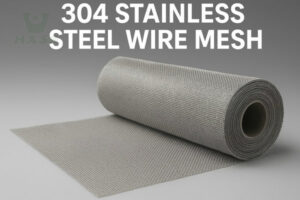
18-8 stainless steel usually refers to 304 stainless steel, a widely used austenitic stainless steel. Its name comes from its main components: 18% chromium and 8% nickel. (UNS S30400) 304 stainless steel is widely used for its excellent corrosion resistance, excellent mechanical properties, and processing properties. It is a non-magnetic material that maintains good toughness and strength at low temperatures.
Key Features of 18-8 Stainless Steel
- Excellent corrosion resistance for general environments
- Good formability and weldability
- High ductility and toughness
- Cost-effective
- Widely stocked worldwide
- Non-magnetic in the annealed condition
Limitations
- Not suitable for chloride-rich environments
- Prone to pitting and crevice corrosion in seawater
- Lower resistance to certain industrial chemicals compared with 316
What is 316 Stainless Steel?
(UNS S31600) 316 stainless steel is a high-grade austenitic stainless steel that has its corrosion resistance improved by the addition of molybdenum. 316 stainless steel performs better when faced with chlorides and other corrosive chemicals than 304 stainless steel. Its composition makes it suitable for more challenging environments, especially in the marine and chemical industries.
It is often referred to as:
- Marine-grade stainless steel
- Surgical stainless steel
- Food and pharmaceutical-grade stainless steel
Key Features of 316 Stainless Steel
- Significantly better chloride corrosion resistance
- Excellent pitting/crevice corrosion resistance
- Superior performance in seawater, chemical, and medical environments
- Non-magnetic in the annealed condition
- Available in a low-carbon variant (316L)
Limitations
- Higher cost due to Mo content
- Slightly more difficult to machine than 18-8
- Not necessary for low-corrosion environments
18-8 Stainless Steel vs 316 Stainless Steel
Let’s put them side-by-side to make the differences crystal clear.
| Feature | 18-8 (Grade 304) Stainless Steel | 316 Stainless Steel |
| Key Composition | ~18% Chromium, ~8% Nickel | ~16-18% Chromium, ~10-14% Nickel, ~2-3% Molybdenum |
| Chloride Resistance | Poor. Prone to pitting and crevice corrosion in salt water. | Excellent. Molybdenum provides superior resistance to chlorides. |
| Overall Corrosion | Good for general atmospheric and most chemical exposures. | Excellent, especially in harsh, corrosive environments. |
| Cost Index | 1.0x (Baseline) | ~1.3x – 1.5x (Typically 30-50% more expensive) |
| Common Names | 18-8 Stainless, 304 Stainless, Food-Grade Stainless | Marine-Grade Stainless, Surgical Stainless Steel |
| Typical Use Case | Indoor applications, fresh water environments, and general purpose. | Marine, coastal, chemical processing, and high-value applications. |
Both 18-8 and 316 stainless steel offer excellent properties, but their ideal applications differ significantly. 18-8 stainless steel is economical and suitable for general environments; while 316 stainless steel boasts superior corrosion resistance, particularly against chlorides and chemicals.
Chemical Composition:
| Grade | Cr | Ni | Mo | C | Mn | Si | Others |
|---|---|---|---|---|---|---|---|
| 18-8 (304 typical) | 18–20 | 8–10.5 | — | … | … | … | — |
| 316 | 16–18 | 10–14 | 2–3 | … | … | … | — |
18-8 stainless steel, also known as 304 stainless steel, contains 18% chromium and 8% nickel. This alloy provides good corrosion resistance and strength.
316 stainless steel, also known as 18-10 stainless steel, contains 16% chromium, 10% nickel, and 2% molybdenum. The addition of molybdenum improves the corrosion resistance of 316 stainless steel, which is especially suitable for environments resistant to seawater corrosion and chemical corrosion.
Equivalent Grades Comparison
| Standard | 18-8 (304 Equivalent) | 316 |
|---|---|---|
| UNS | S30400 | S31600 |
| EN | 1.4301 | 1.4401 / 1.4404 |
| ASTM | 304 | 316 / 316L |
| JIS | SUS304 | SUS316 |
| DIN | X5CrNi18-10 | X2CrNiMo17-12-2 |
| GB | 06Cr19Ni10 | 022Cr17Ni12Mo2 |
Mechanical Properties Comparison
| Property | 18-8 (304) | 316 |
|---|---|---|
| Tensile Strength | 515 MPa | 515 MPa |
| Yield Strength | 205 MPa | 205 MPa |
| Elongation | 40% | 40% |
| Hardness | 70–90 HRB | 70–90 HRB |
Mechanically, both are almost identical. The main difference lies in corrosion resistance, not strength.
Corrosion Resistance:
316 stainless steel has better corrosion resistance and is especially suitable for use in saltwater environments or highly chemically corrosive situations.
18-8 stainless steel also has good corrosion resistance, but it is relatively poor and is not suitable for extremely corrosive environments.
Strength:
The tensile strength and compressive strength of 316 stainless steel are generally higher than those of 18-8 stainless steel. This makes it a better choice for applications requiring higher strength.
Magnetic:
18-8 stainless steel is generally non-magnetic, while 316 stainless steel may be slightly magnetic. This may be a consideration in some applications.
Cost/Price:
316 stainless steel is generally priced higher than 18-8 stainless steel due to its higher alloy composition and better properties.
Machinability: 18-8 Stainless Steel vs 316
304 Stainless Steel: Has good machinability and is easy to weld, cut, form, and grind. Its widespread use is partly due to its excellent performance in a variety of machining processes.
316 Stainless Steel: Has similar machinability to 304 Stainless Steel, but may be slightly more difficult to machine due to its slightly higher hardness, due to the presence of molybdenum. Welds well, but may require special welding techniques to prevent hydrogen embrittlement.
High Temperature Resistance: 18-8 Stainless Steel vs 316
| Temperature Resistance | 18-8 (304) | 316 |
|---|---|---|
| Continuous Service | 870°C | 870°C |
| Intermittent Service | 925°C | 925°C |
304 stainless steel: Suitable for high-temperature environments of about 870°C. Under long-term high temperatures, 304 stainless steel may experience performance degradation, such as reduced strength and toughness.
316 stainless steel: Able to withstand temperatures up to 925°C. Its high-temperature resistance is slightly better than 304 stainless steel, but when used in high-temperature environments, the durability and stability of the material also need to be considered.
Both perform similarly at high temperatures, but 316 maintains slightly better oxidation resistance.
Weldability & Fabrication Comparison
18-8 (304)
- Excellent weldability
- Lower cost for fabrication
- Good formability
316
- Also excellent weldability
- Slightly more difficult to machine
- Higher tool wear during machining
- Better choice when welding in corrosive environments
Fabrication Summary
| Feature | 18-8 | 316 |
|---|---|---|
| Weldability | Excellent | Excellent |
| Formability | Excellent | Excellent |
| Machinability | Easier | Slightly harder |
| Polishing | Good | Better surface finish |
18-8 Stainless Steel vs 316 Stainless Steel Application
18-8 Stainless Steel Applications
Due to its excellent corrosion resistance, strength, and processing performance, 18-8 stainless steel is widely used in daily items, such as:

- Kitchenware, tableware
- Building decoration materials
- Food processing and storage equipment
- Auto parts
- Bolts and fasteners
316 Stainless Steel Applications
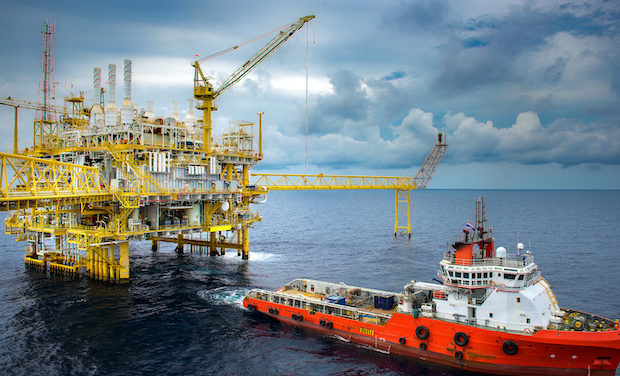
316 stainless steel is often used in more demanding environments due to its excellent resistance to salt spray and chemical corrosion, such as:
- Marine equipment
- Chemical equipment
- Medical equipment
- Desalination equipment
- Shipbuilding and offshore platforms
Unsure Which Stainless Steel Grade You Need? Get a Free Engineering Consultation
How to Choose Between 18-8 and 316?
| Application Scenario | Recommended Material |
|---|---|
| Marine / Seawater | 316 |
| Chemical processing | 316 |
| Food processing | 18-8 or 316, depending on hygiene level |
| Residential kitchens | 18-8 |
| Medical & pharmaceutical | 316 |
| Decorative architecture | 18-8 |
| High chloride environment | 316 |
| Budget-sensitive projects | 18-8 |
General rule:
If chloride corrosion is a concern → 316
If cost is critical and corrosion risk is low → 18-8
Unsure Which Stainless Steel Grade You Need? Get a Free Engineering Consultation
Why Choose Huaxiao Metal for Stainless Steel Supply?
Global Export Experience
Serving clients in 80+ countries with a stable supply capability.
Full-Range Stainless Steel Inventory
18-8 (304 series), 316/316L, 321, 430, duplex stainless steel, and more.
Factory-Direct Pricing
Competitive and transparent pricing from our production facilities.
Advanced Processing Services
- Cutting
- Polishing
- Slitting
- Laser cutting
- Surface finishing
- Customized packaging for export
Certifications
ISO, SGS, material test reports (MTC), third-party inspection support.
Contact Huaxiao Metal today for stainless steel quotes, samples, or technical consultation.
FAQ: 18-8 Stainless Steel vs 316
Is 18-8 stainless steel the same as 304?
Yes. Most 18-8 products on the market refer to 304 stainless steel, though the term can include other similar alloys.
Is 316 better than 18-8?
Yes, in terms of corrosion resistance — especially in chloride or chemical environments.
Why is 316 more expensive?
Because it contains molybdenum, a high-cost alloying element.
Is 316 stronger than 18-8?
No. Their mechanical strengths are similar; the difference is corrosion resistance.
Is 316 stainless steel magnetic?
No. Both 18-8 and 316 are non-magnetic in annealed condition.
Is 18-8 (304) stainless steel magnetic?
No, like most austenitic stainless steels, 18-8 (304) is generally non-magnetic in its annealed (softened) state. However, it can become slightly magnetic after cold working (e.g., forming, bending).
Which stainless steel is better for food equipment?
Both are safe, but 316 is preferred for high-hygiene environments.
Can I use 18-8 (304) steel near the ocean?
It is strongly discouraged. While it might look fine for a short period, the salt in the air and water will eventually cause pitting corrosion. For any coastal or marine application, 316 is the correct choice.
How can I tell the difference between 304 and 316 steel?
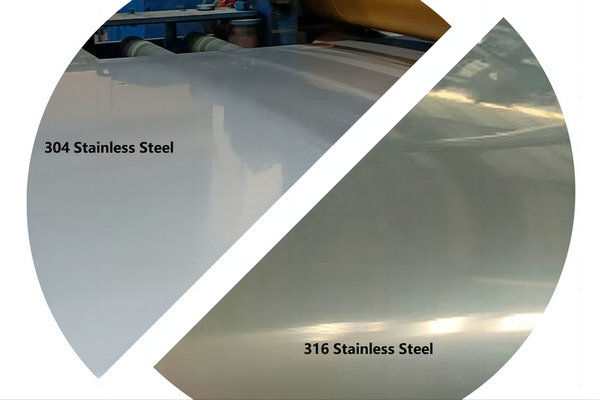
Visually, they are identical. The definitive way is through a Material Test Report (MTR) from the supplier. For on-site verification, professionals use a Moly-Drop Test Kit, which uses a chemical reaction to detect the presence of molybdenum, confirming if the steel is 316.
Can Huaxiao Metal supply custom-sized stainless steel?
Yes. We offer cutting, polishing, slitting, surface finishing, and OEM services.
In Conclusion
To sum up, choosing 18-8 stainless steel or 316 stainless steel depends on your specific needs. If you require greater corrosion resistance and strength and are willing to pay a higher price, 316 stainless steel may be a better choice. But if your application does not require high corrosion resistance and your budget is limited, 18-8 stainless steel may be more suitable for you.
- Corrosion Resistance: 316 stainless steel is better than 18-8 stainless steel, especially in high salt and chloride environments.
- Cost: 316 stainless steel is usually more expensive.
- Application: Choose the appropriate material according to the corrosion requirements of the actual environment. If the application environment is more demanding, 316 stainless steel is recommended; if the environment is more common, 18-8 stainless steel (304) may be sufficient.
18-8 stainless steel and 316 stainless steel each have their unique advantages. 18-8 stainless steel (such as 304) is an economical choice for daily applications. It has good corrosion resistance and strength and is suitable for daily items and industrial applications. 316 stainless steel, due to the addition of molybdenum, has excellent corrosion resistance and high-temperature performance and is particularly suitable for use in harsh environments such as chemical and marine.
Depending on your specific needs, if the environment requires higher corrosion resistance, 316 stainless steel is a better choice; and if the budget is limited, 18-8 stainless steel (such as 304) is one of the more cost-effective options.