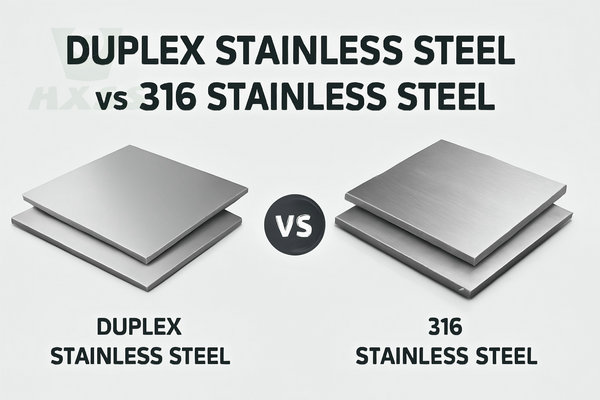
The selection of stainless steel materials is crucial for various industrial applications, especially in environments requiring high corrosion resistance and strength. Among the many stainless steel materials, Duplex stainless steel vs 316 stainless steel are both very common choices, each with unique advantages and application scenarios. This article will help stainless steel buyers understand the differences between these two types of stainless steel, helping them make the right material selection.
What Is Duplex Stainless Steel?
Duplex stainless steel is an alloy with a duplex structure, combining the characteristics of both austenitic and ferritic stainless steels. Its primary advantages lie in its exceptional strength and corrosion resistance, particularly in highly corrosive environments such as chloride-containing environments, seawater, and chemical processing facilities.
Features of Duplex Stainless Steel:
High Strength: Duplex stainless steel is twice as strong as ordinary austenitic stainless steel, meaning it excels in applications requiring significant mechanical stress.
Excellent Corrosion Resistance: The duplex structure provides enhanced corrosion resistance, particularly in chloride and acidic environments.
Resistant to Cracking Stress Corrosion: Duplex stainless steel exhibits greater resistance to cracking stress corrosion than traditional austenitic stainless steel, making it suitable for use in extreme environments.
| Typical Grades | Brief Description | Typical Applications |
| 2205 (UNS S32205) | The most commonly used standard duplex steel and the industry benchmark. | Oil and gas pipelines, chemical containers, and heat exchangers. |
| 2507 (Super Duplex) | Super duplex steel, containing higher levels of chromium, molybdenum, and nitrogen for greater corrosion resistance. | Desalination plants and offshore oil platforms. |
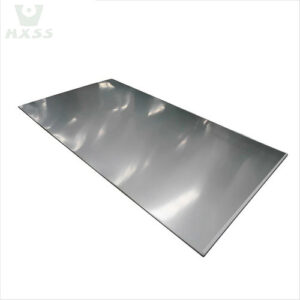
What Is 316 Stainless Steel?
316 stainless steel is an austenitic stainless steel and is generally considered one of the most corrosion-resistant standard stainless steels. Its inclusion of molybdenum makes it significantly more resistant to corrosion in chloride-containing environments than 304 stainless steel.
Features of 316 Stainless Steel:
Good Corrosion Resistance: The addition of molybdenum provides better corrosion resistance than 304 stainless steel in chloride environments (such as marine atmospheres).
Excellent High-Temperature Performance: 316 maintains its excellent mechanical properties and corrosion resistance even in sustained high-temperature environments.
Excellent Machinability: 316 stainless steel offers excellent cold working and weldability, making it a preferred choice for many general engineering applications.
316L: A low-carbon version (L stands for Low Carbon), primarily used in welded components to prevent intergranular corrosion.


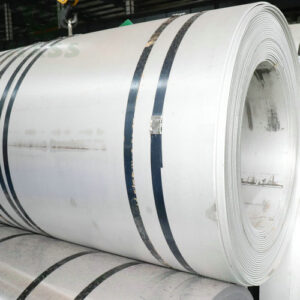
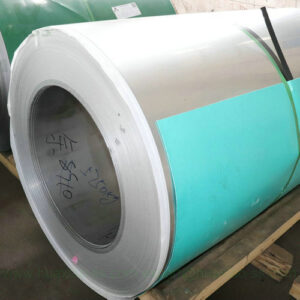
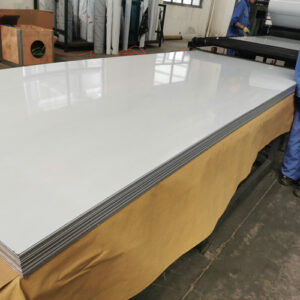
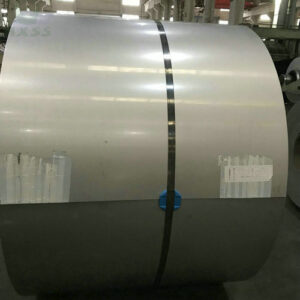
Duplex Stainless Steel vs 316: Key Differences
| Feature | Duplex Stainless Steel | 316 Stainless Steel |
|---|---|---|
| Strength | Higher, ideal for high-stress environments | Lower, suited for low to medium stress environments |
| Corrosion Resistance | Superior, especially in chloride environments | Good, but not as resistant to corrosion as Duplex stainless steel in extreme conditions |
| Weldability | More challenging, may have issues with cracking and heat-affected zone | Easier to weld, commonly used in various industries |
| Cost | Higher due to production process and material requirements | Lower, due to simpler production process |
| Applications | Marine, chemical processing, oil and gas, nuclear industries | Food processing, medical, chemical industries, marine environments |
| Resistance to Stress Corrosion Cracking (SCC) | Stronger, suitable for high-stress and high-corrosion environments | Weaker, more prone to stress corrosion cracking in extreme conditions |
1. Chemical Composition Comparison
| Property | Duplex Stainless Steel | 316 Stainless Steel |
|---|---|---|
| Chromium | 22–25% | 16–18% |
| Nickel | 5–7% | 10–14% |
| Molybdenum | 3–5% | 2–3% |
| Nitrogen | 0.14–0.20% | Trace |
| Carbon | ≤0.03% | ≤0.08% |
Analysis: Duplex stainless steel combines austenitic and ferritic phases, giving it superior strength and corrosion resistance compared to 316 stainless steel. In China, Duplex grades like 2205 and 2507 are widely used in chemical plants, oil & gas pipelines, and marine applications.
2. Corrosion Resistance
Duplex Stainless Steel
Highly resistant to chloride-induced stress corrosion cracking (SCC)
Excellent pitting and crevice corrosion resistance
Suitable for harsh environments, including coastal and offshore projects in China
316 Stainless Steel
Good corrosion resistance against general chemicals and seawater
Less resistant to chloride stress corrosion than Duplex
Suitable for food processing, pharmaceuticals, and moderate marine exposure
Key Takeaway: For projects in high-chloride environments like coastal China, Duplex stainless steel is preferred due to its superior resistance to localized corrosion.
3. Mechanical Strength
| Property | Duplex Stainless Steel | 316 Stainless Steel |
|---|---|---|
| Yield Strength | 450–550 MPa | 215 MPa |
| Tensile Strength | 620–750 MPa | 505 MPa |
| Elongation | 25–30% | 40% |
Analysis: Duplex stainless steel offers nearly double the yield strength of 316, making it ideal for high-pressure applications and structural components in China’s industrial projects. It allows for thinner, lighter components without compromising safety.
4. Cost Comparison
While Duplex stainless steel is more expensive per ton than 316, its higher strength can reduce material usage, fabrication costs, and maintenance over time. In China, sourcing both materials from trusted suppliers like Huaxiao Metal ensures competitive pricing and reliable quality.
Tip: Request a quotation from local suppliers to evaluate total project costs, considering both material and labor savings.
5. Fabrication and Welding
Duplex Stainless Steel
Requires specialized welding procedures to avoid phase imbalance
Post-weld heat treatment may be needed for high-grade duplex
Skilled labor is essential for Chinese fabrication shops handling Duplex
316 Stainless Steel
Easier to weld and fabricate
Commonly used in sheet, pipe, and tube forms
Widely available fabrication expertise across China
Recommendation: Choose Duplex for critical, high-strength projects; choose 316 for easier fabrication and moderate corrosion resistance needs.
Which One Should You Choose: Duplex Stainless Steel or 316 Stainless Steel?
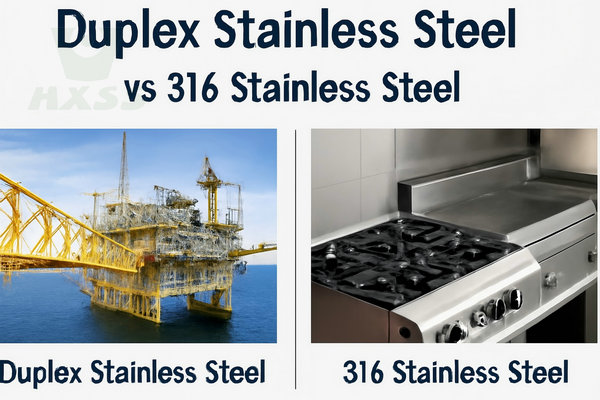
The choice between Duplex stainless steel and 316 stainless steel depends on your project needs and environmental conditions:
For Highly Corrosive Environments (such as seawater or chemical plants):
If your project involves highly corrosive environments, such as marine industries or high chloride environments, Duplex stainless steel is undoubtedly the better choice. Its superior corrosion resistance, resistance to stress corrosion cracking, and high strength make it the most suitable option.
For High-Strength Applications:
If your project requires the material to withstand high mechanical loads or pressure (such as in the oil and gas industry), Duplex stainless steel‘s high strength makes it the ideal material.
For General Corrosion Resistance:
If your application involves relatively mild corrosive environments, such as food processing or general chemical industries, 316 stainless steel is sufficient and comes with the added benefit of lower cost and better machinability.
For Welding and Machining Needs:
If your project requires extensive welding work and ease of fabrication, 316 stainless steel‘s better weldability may make it a more convenient option. However, if corrosion resistance is the top priority, Duplex stainless steel should be considered despite its more complex welding process.
FAQ
What is the main difference between Duplex stainless steel and 316 stainless steel?
Duplex stainless steel combines the properties of austenitic and ferritic stainless steels, giving it greater strength and improved corrosion resistance, especially in chloride-rich environments. Type 316 stainless steel is an austenitic stainless steel that contains molybdenum, which improves corrosion resistance, especially in marine environments. The key difference is that duplex stainless steel has greater strength and resistance to stress corrosion cracking, while type 316 stainless steel is easier to weld and fabricate.
Which material has better resistance to chloride corrosion?
Duplex stainless steel performs better in environments with chlorides, such as seawater, due to its dual-phase structure, which provides enhanced resistance to pitting and crevice corrosion. 316 stainless steel also offers good corrosion resistance in chlorides, but Duplex stainless steel is considered superior in extreme chloride environments.
Can Duplex stainless steel be welded easily?
No, welding Duplex stainless steel can be more challenging than welding 316 stainless steel. Due to its unique dual-phase structure, Duplex stainless steel may experience issues with cracking and heat-affected zone (HAZ) during welding. However, with proper techniques and qualified welders, these challenges can be overcome.
Which material is more cost-effective?
316 stainless steel is generally more affordable compared to Duplex stainless steel. The higher cost of Duplex stainless steel is mainly due to its more complex production process and superior properties. However, the long-term benefits of Duplex stainless steel in demanding environments may justify the higher upfront cost.
What industries typically use Duplex stainless steel?
uplex stainless steel is commonly used in industries that require both high strength and corrosion resistance, such as oil and gas, marine, chemical processing, nuclear, and power plants. Its ability to withstand aggressive environments, such as high chloride and high-stress applications, makes it ideal for these industries.
Is 316 stainless steel suitable for food processing applications?
Yes, 316 stainless steel is widely used in the food processing industry due to its excellent corrosion resistance, particularly in environments where food-grade cleanliness and non-reactivity are essential. It’s also easy to clean, which is important for maintaining hygiene standards in food production.
Can Duplex stainless steel be used in high-temperature applications?
Yes, Duplex stainless steel can be used in high-temperature applications, but 316 stainless steel may perform better in certain high-temperature environments due to its excellent high-temperature corrosion resistance. Duplex stainless steel offers good high-temperature strength, but if the temperature exceeds certain thresholds, 316 stainless steel may be the more reliable option.
What are the common applications of 316 stainless steel?
316 stainless steel is commonly used in industries such as pharmaceuticals, food processing, medical devices, marine environments, and chemical processing. Its strong resistance to corrosion in seawater and aggressive chemicals makes it suitable for a wide variety of applications where both strength and corrosion resistance are required.
Which material should I choose for my project?
The choice depends on your application requirements:
For highly corrosive environments (like seawater, chemical plants, or high-chloride environments), Duplex stainless steel is generally the better choice due to its superior corrosion resistance and strength.
For general-purpose applications, such as in medical devices, food processing, or general chemical industries, 316 stainless steel is a reliable and cost-effective choice.
How can I ensure the longevity of Duplex or 316 stainless steel products?
Proper maintenance is key to extending the life of both Duplex and 316 stainless steel products. Regular cleaning, avoiding exposure to extreme conditions (where possible), and ensuring proper installation can significantly increase their durability. Additionally, if you’re using them in corrosive environments, it’s important to choose the appropriate material for your specific needs to prevent premature failure.
In Conclusion: Duplex Stainless Steel vs 316
Should you choose duplex stainless steel or 316 stainless steel? There’s no single answer. The decision ultimately depends largely on your specific application needs. If you require excellent corrosion resistance and high strength, especially in extreme environments, duplex stainless steel is the best choice. On the other hand, if your application demands lower cost, ease of welding, and adequate corrosion resistance, then 316 stainless steel is ideal.
By understanding the characteristics of each material and matching them with your project needs, you can make an informed decision, ensuring the long-term performance and value of your product. If you have any further questions or need help selecting the right material, please feel free to contact us!