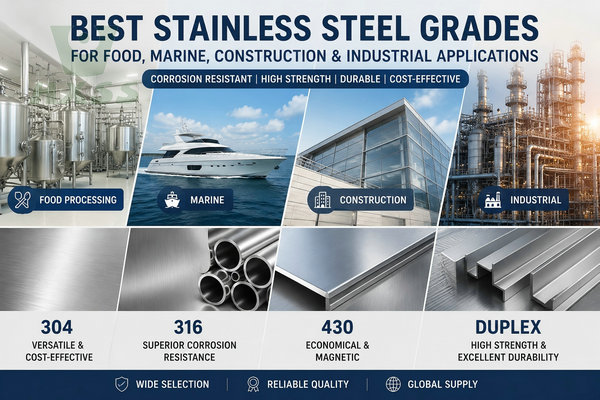
Choosing the best stainless steel grade is essential for ensuring product durability, corrosion resistance, safety, and long-term cost efficiency. Different industries require different stainless steel properties depending on environmental conditions, fabrication methods, hygiene standards, and mechanical performance requirements.
For example, food processing equipment often uses 304 stainless steel because of its hygienic surface and corrosion resistance, while marine applications typically require 316 stainless steel for better chloride resistance. Construction projects may use 430 stainless steel for decorative applications or duplex stainless steel for structural environments with high strength requirements.
In this guide, we explain the best stainless steel grades for food, marine, construction, and industrial applications, helping engineers, manufacturers, contractors, and buyers select the right stainless steel material for their projects.
Why Stainless Steel Grade Selection Matters
Selecting the wrong stainless steel grade can lead to:
- corrosion problems
- premature failure
- higher maintenance costs
- fabrication difficulties
- unnecessary material expenses
The ideal stainless steel grade should match the application environment, strength requirements, processing method, and project budget.
Important selection factors include:
- corrosion resistance
- temperature resistance
- weldability
- surface finish
- mechanical strength
- magnetic properties
- cost efficiency
Best Stainless Steel Grades for Food Processing Applications
Food processing industries require stainless steel materials with excellent corrosion resistance, hygienic surfaces, and easy cleaning performance.
Recommended Grades
304 Stainless Steel
304 stainless steel is the most widely used material for food equipment because it offers:
- excellent corrosion resistance
- good weldability
- hygienic surface properties
- cost-effective performance
Common applications include:
- food processing equipment
- kitchen sinks
- commercial cookware
- dairy processing tanks
- beverage production lines
316 Stainless Steel
316 stainless steel is recommended for food environments exposed to salt, acids, or aggressive cleaning chemicals.
Typical applications include:
- seafood processing
- pharmaceutical equipment
- chemical food production systems
Best Stainless Steel Grades for Marine Applications
Marine environments contain high levels of chloride, humidity, and saltwater exposure, requiring superior corrosion resistance.
Recommended Grades
316 Stainless Steel
316 stainless steel contains molybdenum, which improves resistance to pitting corrosion and chloride attack.
Common marine applications include:
- ship components
- marine fasteners
- coastal railings
- offshore platforms
Duplex Stainless Steel
Duplex stainless steel provides:
- higher strength
- excellent corrosion resistance
- better stress corrosion cracking resistance
Typical applications include:
- offshore oil platforms
- seawater pipelines
- marine structural systems
Best Stainless Steel Grades for Construction Applications
Construction projects require stainless steel materials with durability, appearance, and weather resistance.
Recommended Grades
304 Stainless Steel
304 stainless steel is widely used for:
- architectural panels
- handrails
- interior decoration
- building facades
430 Stainless Steel
430 stainless steel is a lower-cost option commonly used for:
- indoor decorative panels
- elevator panels
- home appliance surfaces
It offers good appearance and magnetic properties but lower corrosion resistance compared to 304 stainless steel.
Duplex Stainless Steel
Duplex stainless steel is increasingly used in bridges, infrastructure, and heavy structural applications due to its high mechanical strength.
Best Stainless Steel Grades for Industrial Applications
Industrial environments often involve chemicals, pressure, heat, abrasion, and heavy mechanical loads.
Recommended Grades
316 Stainless Steel
Suitable for:
- chemical tanks
- heat exchangers
- industrial piping systems
Duplex Stainless Steel
Preferred for:
- pressure vessels
- petrochemical systems
- industrial storage tanks
- desalination plants
Martensitic Stainless Steel
Martensitic grades offer higher hardness and wear resistance for industrial tools and mechanical parts.
Stainless Steel Grade Comparison Table
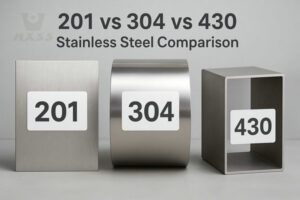
| Grade | Corrosion Resistance | Strength | Magnetic | Typical Applications |
|---|---|---|---|---|
| 201 Stainless Steel | Moderate | Moderate | Slightly Magnetic | Decorative applications |
| 304 Stainless Steel | Excellent | Good | Non-Magnetic | Food processing, construction |
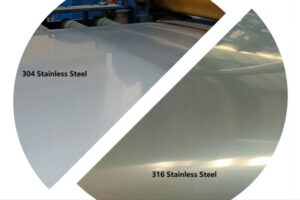
| 316 Stainless Steel | Superior | Good | Non-Magnetic | Marine, chemical industry |
| 430 Stainless Steel | Moderate | Moderate | Magnetic | Appliances, decorative panels |
| Duplex Stainless Steel | Very High | Very High | Magnetic | Offshore, industrial projects |
How to Choose the Right Stainless Steel Grade
Choose 304 Stainless Steel If:
- you need balanced performance and affordability
- the application involves food contact
- easy fabrication is important
Choose 316 Stainless Steel If:
- the environment contains saltwater or chemicals
- higher corrosion resistance is required
- the project is located in coastal areas
Choose 430 Stainless Steel If:
- cost reduction is important
- the application is decorative
- moderate corrosion resistance is acceptable
Choose Duplex Stainless Steel If:
- high strength is required
- the project faces harsh industrial conditions
- long service life is critical
Common Mistakes When Selecting Stainless Steel Materials
Using 430 Stainless Steel in Coastal Environments
430 stainless steel may experience faster corrosion in marine or humid outdoor conditions.
Overusing 316 Stainless Steel in Low-Corrosion Applications
In some indoor applications, 304 stainless steel may provide sufficient performance at a lower cost.
Ignoring Fabrication Requirements
Different stainless steel grades behave differently during welding, bending, and deep drawing processes.
Why Global Buyers Choose Huaxiao Metal
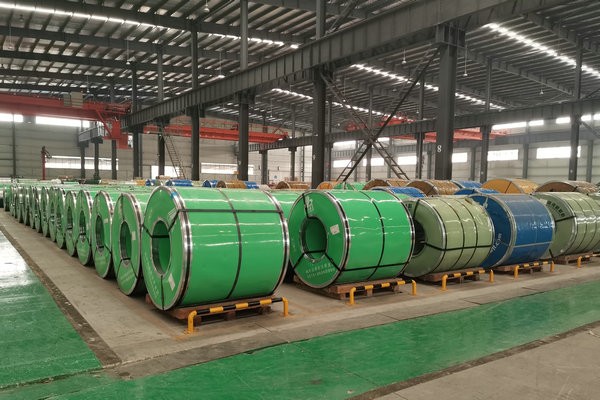
Huaxiao Metal supplies stainless steel products for global industrial applications, including:
- stainless steel coils
- stainless steel sheets
- stainless steel strips
- stainless steel plates
- decorative stainless steel products
Available grades include:
- 201 stainless steel
- 304 stainless steel
- 316 stainless steel
- 430 stainless steel
- duplex stainless steel
We support customized sizes, surface finishes, and processing requirements for industrial buyers worldwide.
FAQ About Stainless Steel Grades Application
Which stainless steel grade is best for food processing?
304 stainless steel is the most commonly used grade for food processing due to its excellent corrosion resistance and hygienic properties.
What is the best stainless steel for marine environments?
316 stainless steel and duplex stainless steel are the best choices for marine and coastal applications.
Is 430 stainless steel suitable for outdoor use?
430 stainless steel can be used outdoors in mild environments, but it is not recommended for coastal or highly humid conditions.
Which stainless steel grade is the most corrosion-resistant?
Duplex stainless steel and 316 stainless steel offer excellent corrosion resistance for demanding environments.
What is the difference between 304 and 316 stainless steel?
316 stainless steel contains molybdenum, which improves corrosion resistance compared to 304 stainless steel, especially in chloride environments.
Need Help Choosing the Right Stainless Steel Grade?
Our technical team can help you select the best stainless steel material based on:
- industry application
- corrosion resistance requirements
- fabrication process
- surface finish
- project budget
Contact Huaxiao Metal today for professional stainless steel recommendations and competitive pricing.