301 stainless steel offers higher strength and better work-hardening performance, while 316 stainless steel provides superior corrosion resistance due to its molybdenum content.
To make a quick procurement or engineering decision:
Choose 301 stainless steel for high-strength forming, springs, and structural applications.
Choose 316 stainless steel for marine, chemical, and food-processing environments.
Note: 316 is more expensive but ensures non-corrosive performance in aggressive conditions.
When comparing 301 vs 316 stainless steel, the key differences lie in chemical composition, mechanical properties, corrosion resistance, and cost performance. While both grades are widely used across industries such as automotive manufacturing, marine engineering, and industrial fabrication, selecting the wrong material can lead to increased maintenance costs, premature corrosion, or reduced structural integrity.
As a leading global stainless steel supplier, Huaxiao Metal provides comprehensive material solutions for engineers, manufacturers, and procurement professionals. This guide compares the properties, applications, advantages, and cost differences between 301 and 316 to help you select the most suitable, cost-effective material for your project requirements.
What Is 316 Stainless Steel?
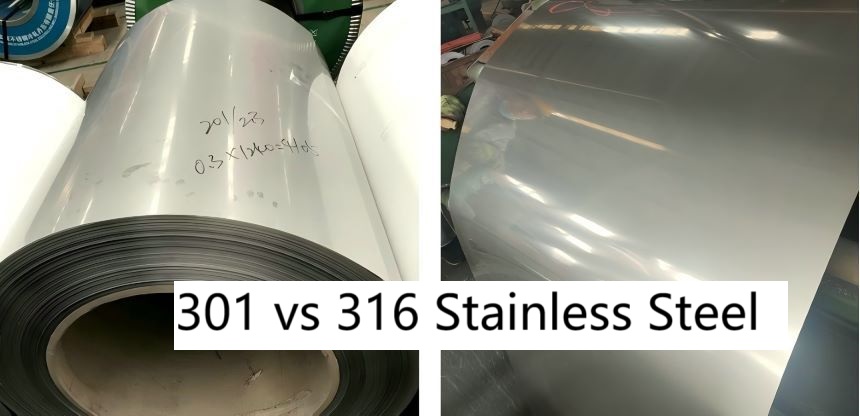
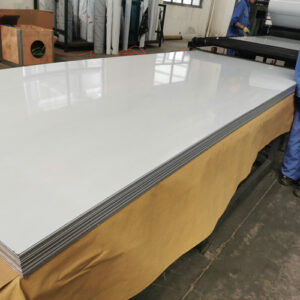
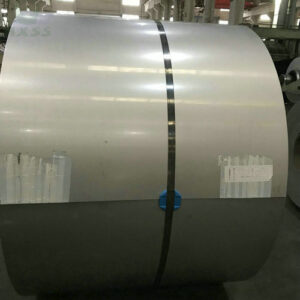
316 stainless steel (UNS S31600) is an austenitic stainless steel renowned for its exceptional corrosion resistance. Its core strength lies in its unique chemical composition, particularly the addition of 2-3% molybdenum (Mo). This addition significantly enhances 316 stainless steel’s resistance to chloride corrosion (pitting and crevice corrosion). Consequently, it is often referred to as “marine-grade stainless steel.”
Key Properties of 316 Stainless Steel:
Superior Corrosion Resistance: Especially in chloride environments.
High Temperature Resistance: Suitable for high-temperature applications.
Excellent Formability and Weldability: Easy to work with in various fabrication processes.


What Is 301 Stainless Steel?
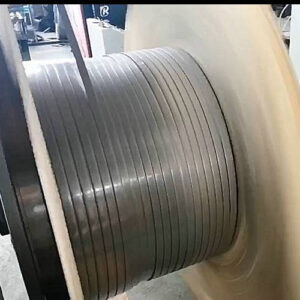
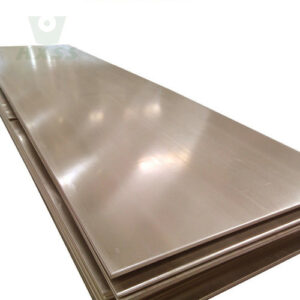
301 stainless steel (UNS S30100) is an austenitic stainless steel characterized by its high strength and excellent cold work hardening ability. Its chemical composition contains relatively low levels of nickel (Ni) and chromium (Cr), typically 16-18% Cr and 6-8% Ni. This compositional ratio allows it to harden rapidly during cold rolling or stretching, significantly increasing its tensile and yield strengths.
Key Properties of 301 Stainless Steel:
High Strength: Can be hardened through cold working.
Good Corrosion Resistance: Suitable for moderate environments.
Excellent Ductility: Easy to form and fabricate.
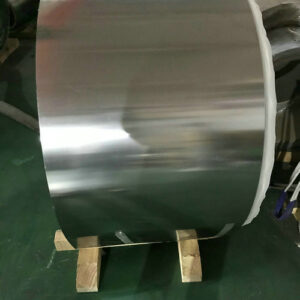
301 vs 316 Stainless Steel: The Difference
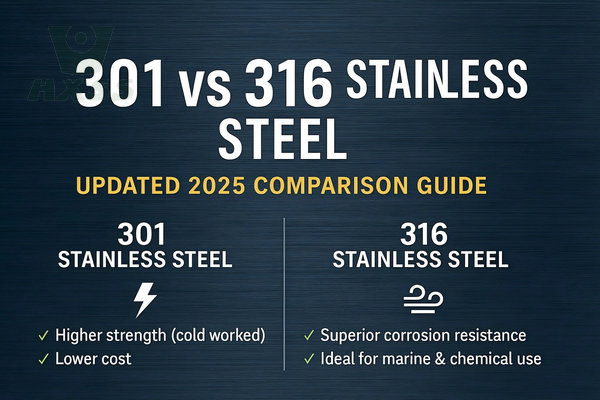
When comparing 301 vs 316 stainless steel, it’s essential to consider several factors, including composition, mechanical properties, physical properties, cost, and applications. Each of these aspects plays a crucial role in determining which grade is more suitable for a specific use case.
| Property | 301 Stainless Steel | 316 Stainless Steel |
|---|---|---|
| Corrosion Resistance | Moderate; suitable for indoor or low-corrosion environments | Excellent; especially in marine, chloride, and chemical environments |
| Tensile Strength | Very high after cold working | Good strength with excellent toughness |
| Temperature Resistance | Good for general industrial use | Better performance in high-temperature and harsh environments |
| Cost Performance | Lower; more economical choice | Higher due to 2-3% molybdenum (Mo) content |
| Formability & Shaping | Excellent after annealing | Good, but slightly lower than 301 |
| Typical Applications | Springs, structural parts, automotive components | Marine equipment, chemical processing, food-grade equipment |
| Best Choice When | Strength and cost-efficiency are your priorities | Corrosion resistance and long service life are critical |
Final Sourcing Recommendation
- Choose 301 stainless steel for high-strength, cost-sensitive structural or forming applications.
- Choose 316 stainless steel for corrosive, marine, and hygienic environments requiring long-term durability.
301 vs 316 Stainless Steel Composition:
| Element | 301 Stainless Steel (%) | 316 Stainless Steel (%) |
|---|---|---|
| Cr | 16.0 – 18.0 | 16.0 – 18.0 |
| Ni | 6.0 – 8.0 | 10.0 – 14.0 |
| Mo | – | 2.0 – 3.0 |
| C | ≤ 0.15 | ≤ 0.08 |
| Mn | ≤ 2.0 | ≤ 2.0 |
| Si | ≤ 1.0 | ≤ 1.0 |
| P | ≤ 0.045 | ≤ 0.045 |
| S | ≤ 0.03 | ≤ 0.03 |
The added molybdenum in 316 gives it superior corrosion resistance, especially against chlorides and seawater.
301 vs 316 Stainless Steel Equivalent Grades:
| Standard | 316 Stainless Steel | 301 Stainless Steel |
| UNS | S31600 | S30100 |
| EN | 1.4401 | 1.4310 |
| JIS | SUS 316 | SUS 301 |
| ASTM | 316 | 301 |
301 vs 316 Stainless Steel : Mechanical Properties
| Property | 301 Stainless Steel | 316 Stainless Steel |
|---|---|---|
| Tensile Strength (MPa) | 515 – 860 | 515 – 690 |
| Yield Strength (MPa) | 205 – 515 | 205 – 310 |
| Elongation (%) | 40 – 60 | 40 – 50 |
| Hardness (Brinell) | 217 max | 217 max |
301 vs 316 Stainless Steel : Physical Properties
| Property | 301 Stainless Steel | 316 Stainless Steel |
|---|---|---|
| Density (g/cm³) | 7.9 | 8.0 |
| Melting Point (°C) | 1399 – 1421 | 1375 – 1400 |
| Thermal Conductivity (W/m·K) | 16.3 | 16.3 |
| Electrical Resistivity (Ω·m) | 0.72 x 10^-6 | 0.74 x 10^-6 |
301 vs 316 Stainless Steel Cost:
When it comes to cost, 301 stainless steel is generally more affordable than 316 stainless steel. The addition of molybdenum to 316 stainless steel increases its cost, but it also enhances its corrosion resistance, making it a better choice for more demanding environments.
Many users search for “Is 316 stainless steel worth the extra cost?” The answer is: If you work in the marine, chemical, or medical industries, then yes. Otherwise, 301 may be a cost-effective option.
At Huaxiao Metal, we maintain a wide stock of both 301 stainless steel and 316 stainless steel at competitive prices. Contact us to consult pricing, learn about suppliers, and check available stock.
301 vs 316 Stainless Steel Application:
Applications of 301 Stainless Steel
- Automotive trim and molding
- Railway and subway cars
- Conveyor belts and springs
- Household appliances
- Aircraft components
Applications of 316 Stainless Steel
- Marine equipment and boat fittings
- Chemical and pharmaceutical industries
- Food and beverage processing
- Medical instruments and surgical tools
- Coastal and architectural structures
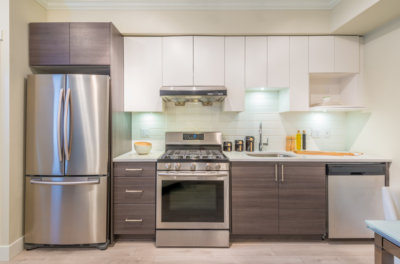
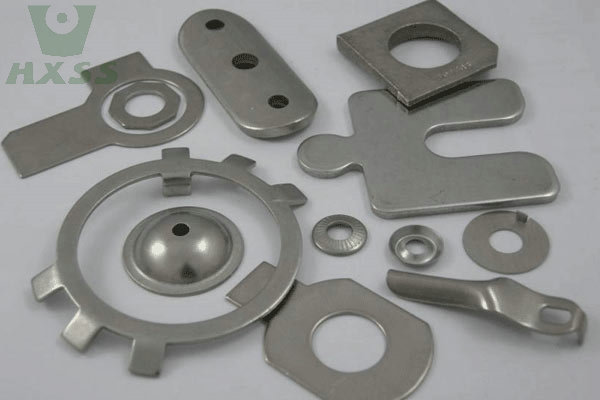
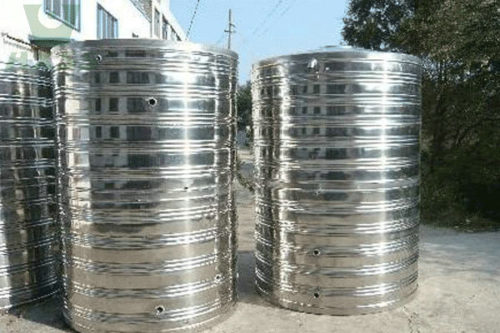
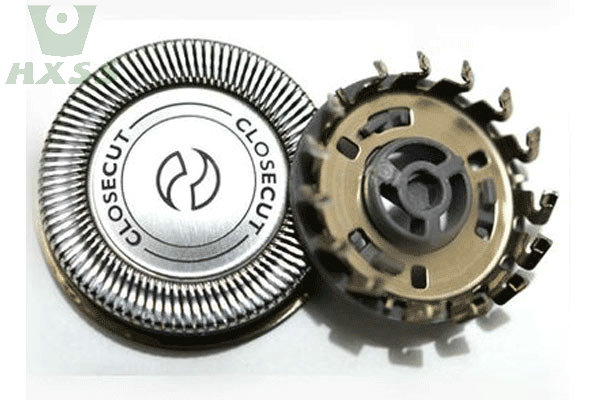
By understanding the difference between 301 and 316 stainless steel, you can select the right grade for your project’s performance and budget requirements.
301 vs 316 Stainless Steel Other Difference:
301 vs 316 Stainless Steel: Workability and Weldability
Both 301 and 316 stainless steels are highly workable and weldable. However, 301 stainless steel is more prone to work hardening, which can make it more challenging to work with in some applications. On the other hand, 316 stainless steel is easier to weld and form, making it a preferred choice for complex fabrication processes.
301 vs 316 Stainless Steel Corrosion Resistance
316 stainless steel offers superior corrosion resistance, especially in chloride environments, due to the addition of molybdenum. This makes it the preferred choice for marine applications and other environments where exposure to corrosive elements is a concern.
301 vs 316 Stainless Steel: Temperature and Heat Treatment
Both 301 and 316 stainless steels can withstand high temperatures, but 316 stainless steel performs better in high-temperature environments due to its higher nickel content. Heat treatment can be used to enhance the properties of both alloys, but 301 stainless steel is more responsive to cold working.
301 vs 316 Stainless Steel: Strength and Hardness
301 stainless steel is known for its high strength, which can be further enhanced through cold working. In contrast, 316 stainless steel has a lower strength but offers better corrosion resistance and durability.
301 vs 316 Stainless Steel: Forming and Welding
Both alloys are highly formable and weldable, but 316 stainless steel is generally easier to work with due to its lower work hardening rate. This makes it a better choice for complex forming and welding operations.
301 vs 316 Stainless Steel: Durability and Longevity
316 stainless steel is more durable and has a longer lifespan, especially in corrosive environments. Its superior corrosion resistance makes it a better choice for applications where longevity is a key consideration.
301 vs 316 Stainless Steel: Aesthetic Considerations
Both 301 and 316 stainless steels have a similar appearance, but 316 stainless steel may retain its aesthetic appeal longer in harsh environments due to its superior corrosion resistance.
Choosing Between 301 and 316 Stainless Steel
The choice between 301 vs 316 stainless steel depends entirely on your specific operating environment, chemical exposure, tensile strength requirements, and overall project budget.
When to Choose 301 Stainless Steel
301 stainless steel is recommended for industrial applications requiring:
High yield strength achieved through controlled cold working.
Excellent formability and spring-back flexibility.
Lightweight structural performance with lower initial material costs.
Typical applications include: Springs and clips, automotive structural components, railway transport equipment, and high-strength industrial forming. If your application has limited exposure to moisture or corrosive chlorides, 301 provides an unbeatable balance of strength and economy.
When to Choose 316 Stainless Steel
316 stainless steel is the definitive choice for harsh environments requiring:
Superior pitting corrosion resistance due to its 2-3% molybdenum content.
Maximum resistance to chlorides, saltwater, and sea spray.
High hygiene standards for food-grade or pharmaceutical compliance.
Typical applications include: Marine engineering hardware, chemical processing systems, food processing equipment, and medical devices. Although 316 has a higher upfront cost, its long-term durability drastically reduces maintenance and replacement expenses.
Quick Procurement Recommendation
Select 301 for high-strength, structural, or spring applications where cost control is a priority.
Select 316 for marine, chemical, food-grade, or any high-chloride environment.
📩 Unsure which grade fits your manufacturing process? Contact Huaxiao Metal’s Engineers today for free technical data sheets, compliance verification, or an instant price comparison.
Why Choose Huaxiao Metal as Your Stainless Steel Supplier?
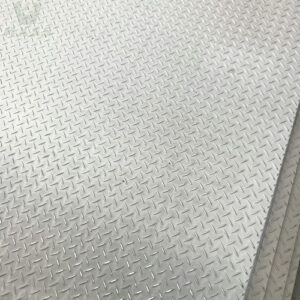
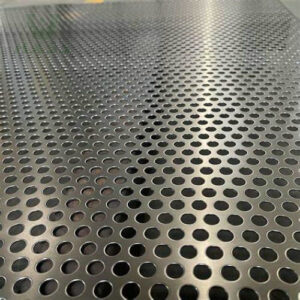
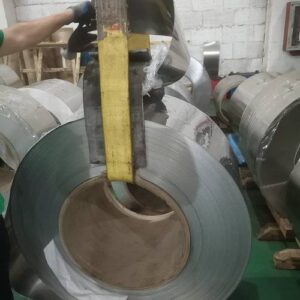
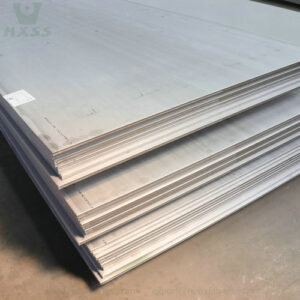
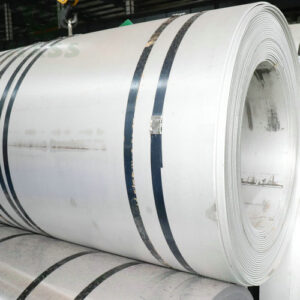
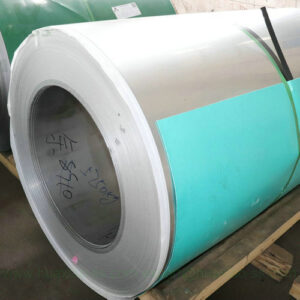
At Huaxiao Metal, we supply a wide range of stainless steels including 301 stainless steel and 316 stainless steel in sheets, coils, strips, and customized forms.
Competitive stainless steel prices
Large stock availability
Reliable global shipping
Technical support for material selection
If you are looking for 301/316 stainless steel suppliers, manufacturers, stock, or price details, Huaxiao Metal is your trusted partner.
Contact us today to get the latest 301 stainless steel price or 316 stainless steel price and request a free quotation for your project.
FAQ
301 stainless steel vs. 316 stainless steel: which is more durable?
It depends on the specific application. In normal atmospheric environments, both materials are very durable. However, in marine environments, high salinity, or high chloride environments, 316 stainless steel is more durable due to its superior resistance to pitting and crevice corrosion. If you require high strength, 301 stainless steel excels in tensile strength.
Is 301 stainless steel cheaper than 316?
Yes, 301 is more cost-effective, usually priced 20–30% lower than 316.
Can 301 replace 316 in marine applications?
No. 301 does not have molybdenum, so it will corrode much faster in seawater conditions.
Is 301 stainless steel magnetic?
Yes, after cold working, 301 tends to become more magnetic, while 316 remains mostly non-magnetic.
Which is stronger, 301 or 316?
301 has higher tensile strength after cold working, but 316 performs better in long-term durability and corrosion resistance.
Which is better for food processing equipment?
316 stainless steel is recommended because of its resistance to acids, salts, and cleaning chemicals.
Can 301 stainless steel replace 316 in chemical applications?
Not recommended. 301 lacks the corrosion resistance required for chemical and chloride-rich environments.
Which is more cost-effective in the long term?
Although 301 stainless steel is cheaper initially, 316 stainless steel often saves costs over time due to its durability in harsh conditions.
Can 301 and 316 Stainless Steel Be Used Interchangeably?
In some non-critical applications (such as interior trim), 301 can be substituted for 316 to reduce costs. However, in marine, chemical, and medical environments, 316 is not recommended due to its superior corrosion resistance.
Does Huaxiao Metal offer custom 301 and 316 stainless steel?
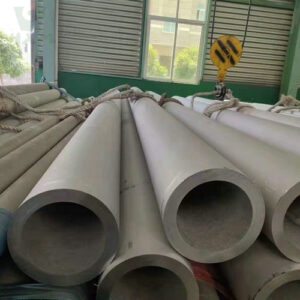
As a professional 301/316 stainless steel supplier and manufacturer, we offer a wide range of 301 and 316 stainless steel products, including coils, plates, bars, and tubes. We can custom cut and process to meet your specific needs, and we maintain a large inventory to ensure fast delivery.
In Conclusion
After reading this comprehensive comparison of 301 stainless steel vs 316 stainless steel, we believe you’ve gained a deep understanding of these two materials. 301 stainless steel excels in structural and forming applications with its high strength and cost-effectiveness, while 316 stainless steel excels in harsh environments with its superior corrosion resistance.
Whether your project requires high-strength 301 stainless steel or corrosion-resistant 316 stainless steel, Huaxiao Metal can provide you with top-quality products and professional service. As a leading stainless steel supplier, we not only have an extensive inventory and competitive pricing, but more importantly, we possess in-depth industry knowledge and strong manufacturing capabilities.
We sincerely invite you to contact us for a quote. Our professional team will provide you with the most suitable material solution based on your specific project needs. Choosing Huaxiao Metal means choosing quality, expertise, and reliability. Let us work together to ensure your project achieves excellence.