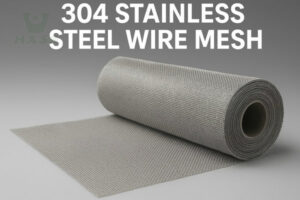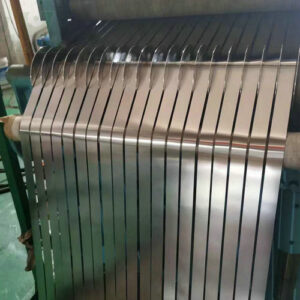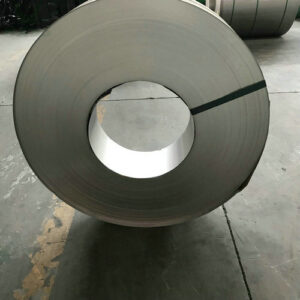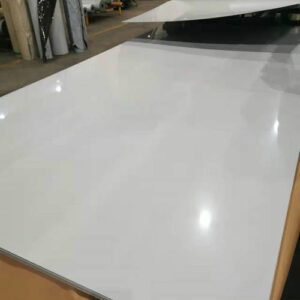
Stainless steel is a popular and versatile material used in various industries due to its corrosion-resistant properties and high strength. Among the different types of stainless steel, 18-8 vs 304 stainless steel is commonly encountered. They are often used interchangeably—but they are not exactly the same in terms of standards, consistency, and procurement safety.
18-8 stainless steel is not a grade — it’s a composition description
304 stainless steel is the official standardized grade
In most cases, 18-8 ≈ 304, but 304 is more reliable and certifiable
At Huaxiao Metal, we help global buyers avoid costly mistakes when choosing stainless steel materials. In this article, we aim to explore the characteristics of 18-8 vs 304 stainless steel, analyze whether they are the same, compare their respective strengths, a technical comparison + purchasing strategy + pricing insights在, and finally determine which one might be better for specific applications.
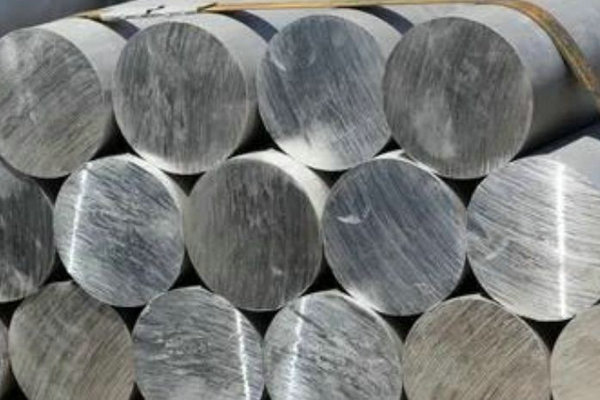
What is 18-8 Stainless Steel?
18-8 stainless steel is an alloy that contains approximately 18% chromium and 8% nickel, with trace amounts of other elements like carbon and manganese. The most common grade of 18-8 stainless steel is AISI 304. It is known for its excellent corrosion resistance, durability, and ease of fabrication. The name “18-8” refers to the percentage of chromium and nickel in the alloy, which contributes to its non-rusting properties.
18-8 stainless steel refers to a general chemical composition:
- 18% Chromium
- 8% Nickel
👉 It is commonly used as a commercial or retail description, especially in:
- Kitchenware
- Fasteners
- Consumer-grade products
18-8 is not governed by ASTM, EN, or JIS standards, meaning:
- No strict tolerance control
- No guaranteed certification
- Possible variation between suppliers
What is 304 Stainless Steel?
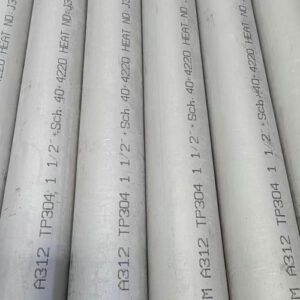
304 stainless steel is the most widely used stainless steel grade worldwide. It also contains 18% chromium and 8% nickel, similar to 18-8 stainless steel. Additionally, it includes a small percentage of carbon and manganese. This grade exhibits outstanding corrosion resistance and can withstand high temperatures, making it suitable for a wide range of applications, including kitchen appliances, food processing equipment, and industrial applications.
304 stainless steel is a globally standardized austenitic stainless steel grade, defined by:
- ASTM A240
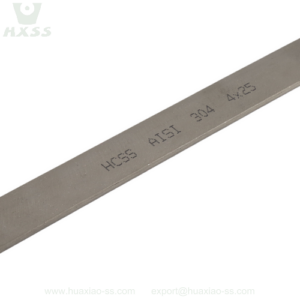
- AISI 304
- EN 1.4301
Typical composition:
- Cr: 18–20%
- Ni: 8–10.5%
👉 Key Advantage:
✔ Stable quality
✔ Traceable certification (MTC)
✔ Accepted in global engineering projects
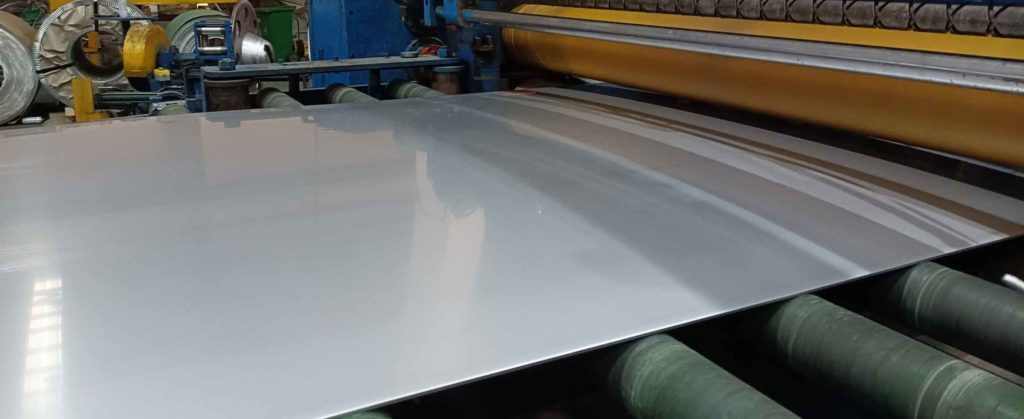
18-8 vs 304 Stainless Steel Difference
| Property | 18-8 Stainless Steel | 304 Stainless Steel |
|---|---|---|
| Definition | Composition-based | Standardized grade |
| Chromium | ~18% | 18–20% |
| Nickel | ~8% | 8–10.5% |
| Standard | ❌ None | ✅ ASTM / EN / JIS |
| Certification | ❌ Not guaranteed | ✅ MTC available |
| Quality Stability | Medium | High |
| Industrial Use | Limited | Widely used |
| Export Compliance | Risky | Safe |
| Price | Slightly lower | Slightly higher |
1. Corrosion Resistance
Both provide excellent corrosion resistance.
However:
👉 304 offers more consistent anti-corrosion performance, especially in:
- Humid environments
- Chemical exposure
- Marine-adjacent conditions
2. Mechanical Properties
- 304: Stable tensile strength and elongation
- 18-8: May vary depending on supplier
👉 Engineering projects should always use 304
3. Processing Performance
✔ Welding: Excellent
✔ Forming: Excellent
✔ Machining: Moderate
👉 Practically no difference in fabrication
4. Price Difference
- 18-8: Lower upfront cost (non-certified)
- 304: Slightly higher, but lower long-term risk
Choosing cheap material without certification can result in:
- Project rejection
- Quality disputes
- Rework costs
18-8 Stainless Steel Uses
- Kitchen equipment
- Screws & fasteners
- Household hardware
304 Stainless Steel Uses
- Industrial tanks
- Food processing equipment
- Construction materials
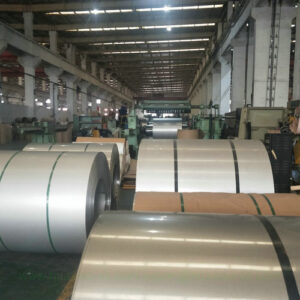
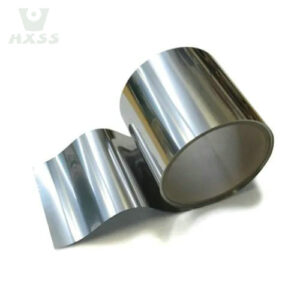
- Stainless steel coils, sheets, strips
👉 At Huaxiao Metal, 90%+ export orders are 304 stainless steel products, due to global compliance requirements.
Are 18-8 and 304 Stainless Steel the Same?
At first glance, 18-8 stainless steel and 304 stainless steel might seem identical, Both 18-8 stainless steel and 304 are chemically the same. The grade or title 18-8 indicates its composition, i.e. chromium 18% and nickel 8%. However, it’s important to note that “18-8” is often used interchangeably with AISI 304, but not all 18-8 steels are 304. Some 18-8 stainless steels may have variations in composition, leading to slightly different properties. Therefore, while they are closely related, they are not precisely the same.
- 18-8 = composition concept
- 304 = certified industrial grade
👉 Conclusion:
✔ They are chemically similar
❗ But 304 is the only reliable choice for industrial procurement
Which is Better 18-8 or 304 Stainless Steel?
The choice between 18-8 and 304 stainless steel depends on the specific requirements of the application. Both grades offer excellent corrosion resistance and strength, making them suitable for various environments. However, some differences may influence the decision:
1. 18-8 vs 304 Stainless Steel Cost:
18-8 stainless steel might be slightly less expensive than 304 due to its lower nickel content, but the price difference is usually negligible for most applications.
2. 18-8 vs 304 Stainless Steel Performance in Harsh Environments:
304 stainless steel, with its slightly higher nickel content, tends to have slightly better resistance to certain corrosive environments than standard 18-8 stainless steel.
3. 18-8 vs 304 Stainless Steel Specialized Applications:
In some cases, the subtle differences in composition can result in varying mechanical properties, making one grade more suitable than the other for specific applications. Consulting with materials engineers or experts is essential for critical applications.
4. 18-8 vs 304 Stainless Steel Strength and Toughness
Both have good strength and toughness, but their performance varies at extreme temperatures.
18-8 stainless steel: Good strength at both high and low temperatures, but specific performance may be affected by alloy content.
304 stainless steel: Can maintain better mechanical properties under extremely high and low-temperature conditions, so it is more popular in applications with higher strength requirements.
Which One Should We Choose?
Choose 18-8 if:
- You are sourcing low-cost consumer products
- No certification required
- Small-scale usage
Choose 304 if:
- You need industrial-grade material
- Require mill test certificate (MTC)
- Exporting to Europe / Middle East / South America
- Need long-term stable supply
Why Choose Huaxiao Metal?
Huaxiao Metal is a leading stainless steel supplier & manufacturer, offering:
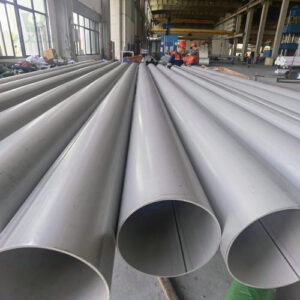
✔ 304 stainless steel coils, sheets, strips, pipes
✔ Full certification (ASTM / EN / ISO)
✔ Large inventory for fast delivery
✔ Competitive factory pricing
✔ Export to 50+ countries
👉 We help buyers reduce risk and secure long-term supply.
FAQ: 18-8 vs 304 Stainless Steel
Is 18-8 the same as 304 stainless steel?
Yes, in most cases 18-8 refers to the same composition as 304, but it is not a standardized grade.
Why is 304 preferred in industry?
Because it offers:
- Certified quality
- Consistent performance
- Global standard compliance
Is 18-8 cheaper than 304?
Sometimes yes, but it may lack certification and quality consistency.
Can I use 18-8 for industrial projects?
Not recommended. Use 304 for safety and compliance.
In Conclusion
Both 18-8 and 304 stainless steel offer exceptional corrosion resistance and durability, making them valuable materials in various industries. While 18-8 vs 304 stainless steel are similar in composition, they are not entirely interchangeable, and specific applications may benefit from one over the other. Understanding the differences between these grades is crucial to making an informed decision when choosing the most appropriate stainless steel for your specific needs. Always consider the environment and requirements of your project before making a final decision.