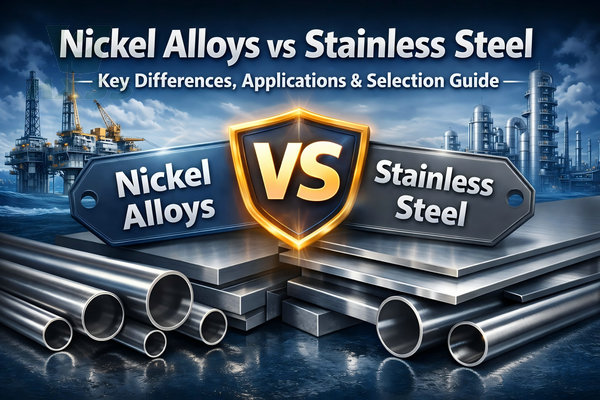
Choosing between nickel alloys vs stainless steel is critical for industries such as oil & gas, chemical processing, and marine engineering.
While stainless steel is widely used for general applications, nickel-based alloys provide superior performance in extreme environments—including high temperatures and aggressive corrosion.
In this guide, Huaxiao Metal explains:
- Key differences between nickel alloys and stainless steel
- Performance comparison (corrosion, strength, temperature)
- Real-world applications
- How to choose the right material
- Where to find reliable suppliers and competitive pricing
👉 Need help selecting materials? Contact us for expert support & quotation.
What Are Nickel Alloys?
Nickel alloys are high-performance materials primarily composed of nickel combined with elements such as chromium, molybdenum, and iron.
Common types include:
- Inconel (high-temperature resistance)
- Monel (excellent seawater corrosion resistance)
- Hastelloy (extreme chemical resistance)
Key Characteristics
- Exceptional resistance to high temperature (up to 1000°C+)
- Outstanding corrosion resistance in acidic environments
- Excellent mechanical strength under extreme conditions
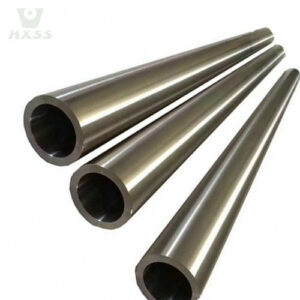
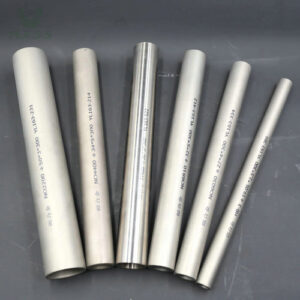

What Is Stainless Steel?
Stainless steel is an iron-based alloy containing at least 10.5% chromium, providing corrosion resistance.
Main categories:
- Austenitic (304 / 316)
- Ferritic (430)
- Martensitic (410)
- Duplex (2205 / 2507)
Key Characteristics
- Good corrosion resistance
- Cost-effective
- Widely available
- Easy fabrication
Nickel Alloys vs Stainless Steel: Key Differences
1️⃣ Corrosion Resistance
- Stainless steel → good to excellent (304 / 316 / Duplex)
- Nickel alloys → superior in extreme acids and chlorides
👉 Winner: Nickel Alloys
2️⃣ Temperature Resistance
- Stainless steel → up to ~800°C
- Nickel alloys → 1000°C+ stable performance
👉 Winner: Nickel Alloys
3️⃣ Strength
- Stainless steel → medium to high (Duplex is strong)
- Nickel alloys → excellent strength at high temperature
👉 Winner: Nickel Alloys
4️⃣ Cost
- Stainless steel → low to medium
- Nickel alloys → very high
👉 Winner: Stainless Steel (cost advantage)
5️⃣ Availability & Processing
- Stainless steel → widely available, easy to fabricate
- Nickel alloys → more difficult, longer lead time
Nickel Alloys vs Stainless Steel Comparison Table
| Property | Stainless Steel | Nickel Alloys |
|---|---|---|
| Base Element | Iron | Nickel |
| Corrosion Resistance | Good–Excellent | ⭐ Superior |
| High Temp Resistance | Moderate | ⭐ Excellent |
| Strength | Medium–High | High (especially at high temp) |
| Cost | Low–Medium | ⭐ Very High |
| Applications | General industry | Extreme environments |
When to Choose?
When to Choose Stainless Steel
Choose stainless steel if:
- Budget is limited
- Environment is not highly corrosive
- Standard strength is sufficient
- Applications include construction, food, appliances
👉 Typical grades: 304 / 316 / 430 / Duplex
When to Choose Nickel Alloys
Choose nickel alloys if:
- High temperature (>800°C)
- Strong acids or chemicals
- Marine or offshore extreme conditions
- Long service life required
👉 Typical materials:
- Inconel 625 / 718
- Monel 400
- Hastelloy C276
Real-World Applications
Stainless Steel Applications
- Construction & architecture
- Food processing
- Automotive
- General pipelines
Nickel Alloy Applications
- Oil & Gas pipelines
- Offshore platforms
- Chemical reactors
- Aerospace components
- Power plants
👉 If failure is not an option, nickel alloys are often the safer choice.
How to Choose the Right Material (Selection Guide)
Ask these questions:
1️⃣ What is the operating temperature?
- <600°C → Stainless steel
800°C → Nickel alloy
2️⃣ What is the corrosion environment?
- Mild → Stainless steel
- Severe acid / chloride → Nickel alloy
3️⃣ Budget constraints?
- Limited → Stainless steel
- Performance priority → Nickel alloy
👉 Not sure?
👉 Contact Huaxiao Metal for professional material selection advice.
Why Choose Huaxiao Metal
- Full range: stainless steel + nickel alloys
- 15+ Years of Export experience worldwide
- Stable quality control
- Competitive pricing
- Custom processing available
FAQ
Are nickel alloys better than stainless steel?
Nickel alloys perform better in extreme conditions such as high temperature and strong corrosion, but they are significantly more expensive.
Is duplex stainless steel a substitute for nickel alloys?
In some cases, duplex stainless steel can replace nickel alloys, but not in highly aggressive or high-temperature environments.
Why are nickel alloys so expensive?
Nickel content and complex manufacturing processes make them significantly more costly than stainless steel.
Which material is best for marine environments?
316 stainless steel or duplex stainless steel works for most marine applications, but nickel alloys are preferred for extreme conditions.