The Ultimate Guide to 304 & 304L Stainless Steel: Properties, Applications, and Sourcing
Fern Wang
Published on:
In the world of industrial metals, Grade 304 & 304L stainless steel stands as the most versatile and widely used austenitic alloy. Known for its excellent corrosion resistance and formability, it is the backbone of industries ranging from food processing to aerospace.
If you are sourcing 304 & 304L stainless steel for industrial, architectural, food-grade, or mechanical applications, this complete guide will help you understand:
Chemical composition
Mechanical properties
304 vs 304L vs 304DQ differences
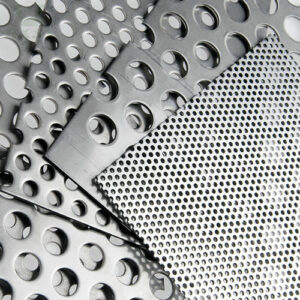
Forms available (coil, sheet, pipe, bar, wire, perforated)
Price factors
International standards
How to choose the right supplier
What is 304 & 304L stainless steel?
What Is 304 Stainless Steel?
304 stainless steel (UNS S30400 / EN 1.4301) is the most commonly used austenitic stainless steel grade. It contains approximately:
18% Chromium
8% Nickel
Key features:
Excellent corrosion resistance in most atmospheres and many corrosive media
Good mechanical properties
Non-magnetic in annealed condition
Suitable for cold working, deep drawing, and fabrication
Common uses include:
Food processing equipment
Industrial piping and storage tanks
Kitchen and architectural components
Automotive and machinery parts
What Is 304L Stainless Steel?
304L stainless steel (UNS S30403 / EN 1.4307) is a low-carbon version of 304, designed to reduce the risk of carbide precipitation during welding.
Key features:
Carbon ≤ 0.03% (vs ≤ 0.08% in 304)
Excellent weldability for heavy or repeated welding
Slightly lower strength than 304, but superior intergranular corrosion resistance
Choose 304L Stainless Steel: Essential for welded structures. The lower carbon content prevents “carbide precipitation” during welding, ensuring the joints remain as corrosion-resistant as the rest of the material.
Your project involves extensive welding
You need better corrosion resistance in critical areas
You want to reduce long-term failure risk
304 vs 304L vs 304DQ – What’s the Difference?
304 vs 304L vs 304DQ – Quick Comparison
Feature
304
304L
304DQ
Carbon
≤0.08%
≤0.03%
≤0.08%
Weldability
Good
Excellent
Good
Deep Drawing
Moderate
Moderate
Excellent
Typical Use
General
Welded structure
Deep stamping
304 Stainless Steel
Standard grade for most industrial uses.
304L Stainless Steel
Lower carbon content. Better for welding. Reduces risk of intergranular corrosion.
304DQ (Deep Drawing Quality)
Specially processed for:
Kitchen sinks
Deep drawn containers
Automotive forming parts
If your project involves heavy welding, 304L is recommended. If deep drawing is required, 304DQ is preferred.
Common Forms of 304 Stainless Steel
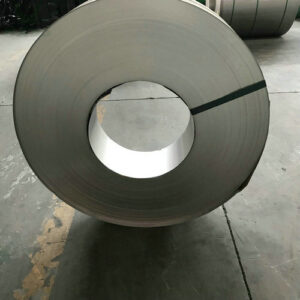
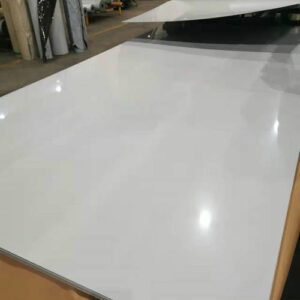
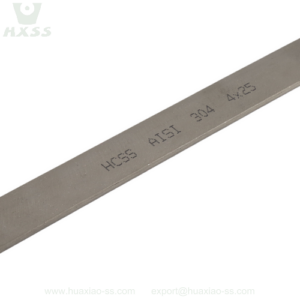
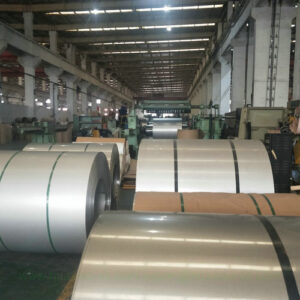
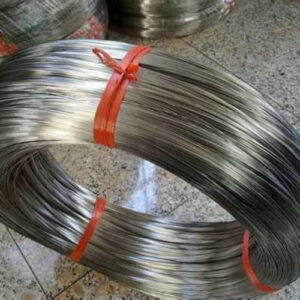
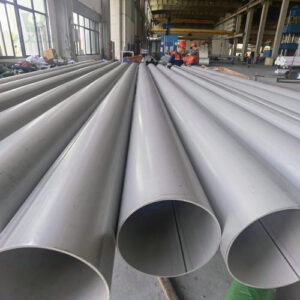
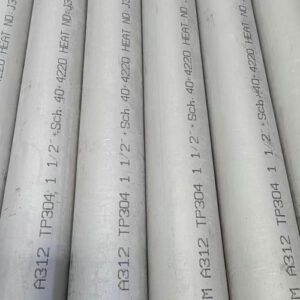
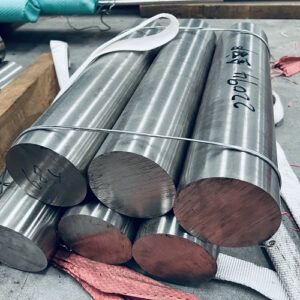
Depending on your project, 304 material is processed into various forms. Huaxiao provides a full inventory of:
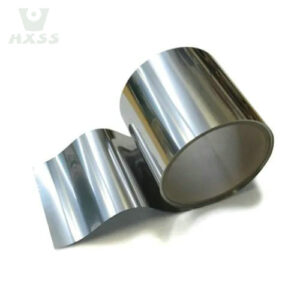
Used heavily in kitchenware, appliances, and industrial tanks. Our 304DQ/DDQ coils are specifically optimized for deep-drawing applications like sinks and thermoses.
Corrosion Resistance: Exhibits excellent performance in various atmospheric environments and a wide range of corrosive media.
Oxidation Resistance: Maintains integrity even at intermittent use temperatures up to 870°C and continuous use temperatures up to 925°C.
Processing Performance: Offers excellent stretching, forming, and spinning properties. Easy to clean and maintain, making it ideal for the food and beverage industry.
Is 304 Stainless Steel Good for Outdoor Use?
Yes, in most indoor and mild outdoor environments.
However, in:
Coastal areas
Marine environments
High chloride exposure
316 stainless steel is often preferred.
Why Choose 304L for Welding?
304L stainless steel is specifically designed for applications requiring heavy or repeated welding. Its low carbon content (≤0.03%) prevents carbide precipitation, reducing the risk of intergranular corrosion and sensitization in welded areas.
Key benefits of using 304L:
– Superior corrosion resistance in welded joints
– Reduced risk of sensitization during heat treatment
– Maintains mechanical integrity after welding
– Ideal for chemical processing equipment, pipelines, and pressure vessels
For projects involving extensive welding, 304L is recommended over 304 to ensure long-term durability and compliance with international standards.
International Standards for 304 Stainless Steel
304 stainless steel is equivalent to:
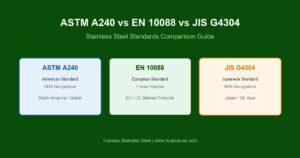
ASTM A240 / A276 / A312
EN 10088 (1.4301)
JIS SUS304
When sourcing globally, always confirm the standard required for your project.
Cold rolled products typically cost more than hot rolled due to processing complexity.
If you need current 304 stainless steel prices, request a quotation with full specification.
How to Choose a Reliable 304 Stainless Steel Supplier
When sourcing 304 stainless steel from overseas suppliers, consider:
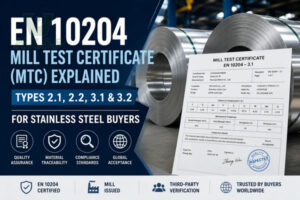
✔ Mill test certificate (MTC) ✔ EN 10204 3.1 certification ✔ Export experience ✔ Stable raw material sourcing ✔ Production capacity ✔ Inspection support
Avoid choosing solely based on price.
Why Global Buyers Choose Huaxiao Metal?
At Huaxiao Metal, we specialize in supplying 304 and 304L stainless steel products for global B2B clients.
We provide:
Factory-direct supply with competitive pricing
Stable inventory for fast delivery
Full range of forms: sheets, coils, strips, pipes, bars
OEM & custom processing services
International certifications and strict quality control
With over 15 years of export experience, we help customers reduce sourcing risks and ensure consistent material performance.
In its annealed state, 304/304L is non-magnetic. However, after cold working (like drawing into round bars or perforated sheets), it may develop slight magnetism.
The price is primarily driven by the cost of Nickel and Chromium on the LME. For the most accurate budgeting, we recommend requesting a real-time quote.
While 304 is highly resistant, for direct contact with seawater, Grade 316 is often preferred due to its molybdenum content. However, for coastal architectural features, 304 checkered plates with proper coating are widely used.
Yes, typically 3%–8% higher due to stricter carbon control and production requirements.
Conclusion: Is 304 Stainless Steel the Right Choice?
For most industrial, architectural, and fabrication applications, 304 stainless steel offers:
Excellent corrosion resistance
Good strength
Easy fabrication
Competitive cost
It remains the most versatile and widely used stainless steel grade worldwide.
If you are sourcing 304 / 304L / 304DQ stainless steel in coil, sheet, pipe, bar, wire, or perforated form, selecting the right specification is critical for long-term performance.
📩 Contact Huaxiao Metal today to get:
Latest 304/304L stainless steel prices
Available stock sizes and specifications
Technical support for your application
We are ready to provide a fast quotation and professional sourcing solution tailored to your needs.