
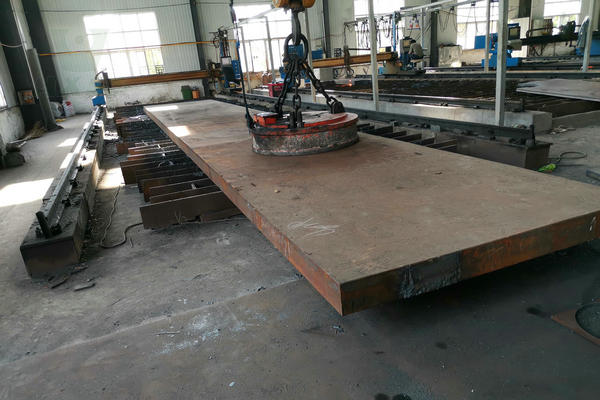
Huaxiao Metal supplies Z Direction Steel Plates (Z15, Z25, Z35) designed for critical welded structures where through-thickness performance is essential. Our Z-grade steel plates are widely used in bridges, offshore platforms, heavy buildings, wind power foundations, and pressure-bearing structures, helping engineers effectively prevent lamellar tearing and improve long-term structural reliability.
As an experienced steel exporter, we provide Z-direction tested plates in compliance with EN 10164 and GB/T 5313, with full mill certificates and optional third-party inspection.
Contact Huaxiao Metal today to discuss your Z direction steel plate requirements and receive a competitive quotation tailored to your project.
Available Base Steel Grades
Huaxiao Metal supplies Z-direction steel plates based on a wide range of commonly used base materials:
Low Alloy Z Direction Steel Plates
Common Grades:
Q355BZ15 | Q355BZ25 | Q355BZ35
Low Alloy Z Plates provide reliable Z-direction ductility for light to medium structural projects, including bridges, shipbuilding, and general steel construction. The Z-grade ensures the steel can withstand welding-induced stresses without lamellar tearing.
Applications:
- Medium-thickness bridge girders
- Ship decks and hulls
- Light industrial structures
High Strength Z Direction Steel Plates
Common Grades:
Q420BZ15 | Q420BZ25 | Q420BZ35
High Strength Z Plates are ideal for heavy-duty projects that require higher yield strength and Z-direction ductility. They are widely used in high-rise buildings, cranes, heavy machinery, and offshore platforms.
Applications:
- High-rise steel frames
- Heavy machinery structures
- Offshore platform structures
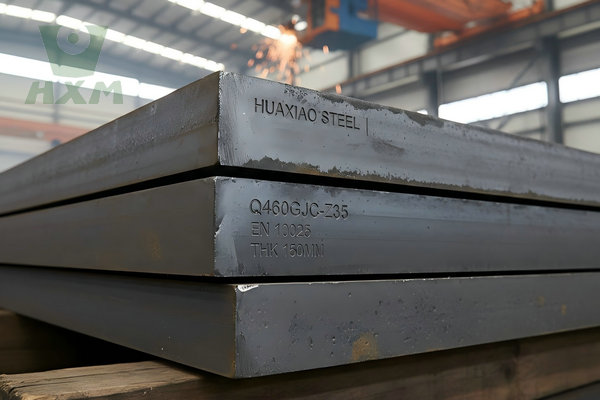
Structural Steel
S355J2 / S355NL
Q345B / Q345D / Q345E
ASTM A572 Grade 50
Pressure Vessel Steel
P355GH
SA516 Gr.60 / Gr.70 (with Z-direction testing on request)

Shipbuilding & Offshore Steel
EH36 / DH36
FH36 (upon request)
Z-direction performance can be applied to carbon steel, low-alloy steel, and selected alloy steel plates, depending on thickness and project requirements.
Standards & Z-Direction Testing
Our Z-direction steel plates are supplied in accordance with internationally recognized standards:
EN 10164 – Steel products with improved deformation properties perpendicular to the surface
GB/T 5313 – Steel plates with improved through-thickness properties
Testing & Certification
Through-thickness tensile test
Reduction of area (RA) evaluation
Mill Test Certificate EN 10204 3.1
Third-party inspection (SGS, BV, TUV) available upon request
Each batch of Z-direction steel plates is traceable and strictly inspected to meet project specifications.
What Is Z Direction Steel Plate?
Z Direction Steel Plate refers to steel plates with guaranteed through-thickness ductility (Z-direction performance). Unlike conventional steel plates that focus mainly on tensile strength and yield strength in the rolling direction, Z-direction steel plates are tested in the thickness direction to ensure adequate plastic deformation.
The primary purpose of Z-direction steel is to reduce the risk of lamellar tearing, a type of internal cracking that can occur during welding, especially in thick plates with high sulfur content or complex welded joints.
Important: Z-direction is not a steel grade, but a performance requirement applied to structural, pressure vessel, or shipbuilding steel plates.

Z15 vs Z25 vs Z35: Z-Direction Grades Comparison
Z-direction performance is classified according to the reduction of area (RA) measured in through-thickness tensile testing.
| Z Grade | Reduction of Area (RA) | Typical Applications |
|---|---|---|
| Z15 | ≥ 15% | General welded steel structures |
| Z25 | ≥ 25% | Bridges, heavy buildings, industrial frames |
| Z35 | ≥ 35% | Offshore platforms, pressure vessels, critical joints |
Z25 and Z35 steel plates are commonly specified in projects with strict welding requirements and high safety factors, especially in marine and offshore environments.
This table summarizes guidance covered in our Z Direction Steel Plate Guide
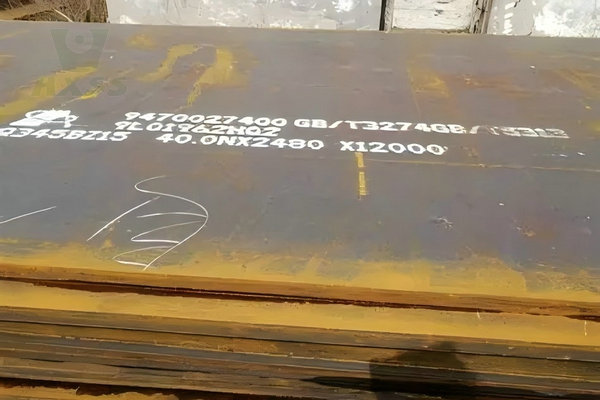
Typical Applications of Z Direction Steel Plate
Z direction steel plates are widely used in projects where thick plates and complex welds are unavoidable:
Bridge construction – box girders, piers, and critical welded joints
Offshore & marine structures – jackets, platforms, and modules
High-rise steel buildings – heavy columns and load-bearing components
Wind power foundations – monopiles and transition pieces
Pressure vessels & heavy machinery – stress-concentrated structures
Using Z-grade steel significantly reduces maintenance costs and enhances service life.
Not sure whether your project requires Z-direction steel?
📩 Share your application drawing or usage scenario — our team will advise the recommended Z-grade.

Why Source Z Direction Steel Plate from Huaxiao Metal?
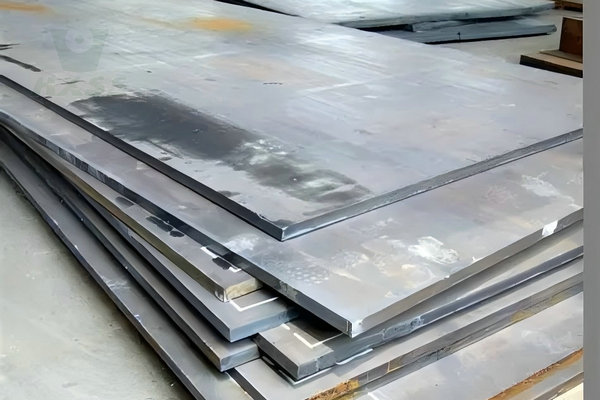
Reliable supply of Z15 / Z25 / Z35 steel plates
Strict compliance with EN 10164 & GB/T 5313
Thickness range suitable for heavy-duty applications
Full export documentation and seaworthy packing
Fast quotation and technical support from experienced engineers
FAQ: Z Direction Steel Plate
What is the difference between Z25 and Z35 steel plate?
Z35 steel plates offer higher through-thickness ductility than Z25, making them suitable for offshore and highly stressed welded structures.
Is Z-direction steel mandatory for bridge projects?
Many bridge specifications recommend or require Z25 or higher to reduce the risk of lamellar tearing in thick welded joints.
What thickness range can be supplied?
Z-direction testing is commonly applied to medium and thick plates. Please contact us with your required thickness for confirmation.
Can Z-direction steel be combined with ultrasonic testing (UT)?
Yes. Z-direction testing and UT inspection are often used together for critical structural components.
Do I need Z25 or Z35 for offshore structures?
For offshore projects or structures with high dynamic loads, Z35 is recommended. Z25 may be sufficient for heavy welded bridges or land-based structures.
Can Z direction testing be provided in Mill Test Certificate (MTC)?
Yes, all Huaxiao Metal Z Direction Steel Plates come with MTC specifying through-thickness (Z-axis) reduction of area.
Which standards are supported for Z direction steel?
Our plates comply with EN 10164, GB/T 5313, or customer-specified third-party standards.