
420 vs 304 Stainless Steel: A Complete Comparison to Make the Right Choice. Choosing the right stainless steel for your project is one of the most critical decisions you’ll make. It impacts performance, longevity, and cost. Two of the most common yet fundamentally different grades are 420 and 304 stainless steel. But how do you know which one is the right fit for your application?
- 420 Stainless Steel = High hardness, heat-treatable → ideal for knives, blades, and wear-resistant parts
- 304 Stainless Steel = Excellent corrosion resistance → ideal for food, chemical, and general applications
As a leading stainless steel supplier, we at Huaxiao Metal often help our clients navigate this choice. This guide will break down the key differences between 420 and 304 stainless steel, so you can make an informed decision with confidence.
What Is 420 Stainless Steel?
420 stainless steel is a martensitic stainless steel, which can be hardened through heat treatment, much like carbon steel. Its high carbon content is the secret to its signature feature: exceptional hardness and wear resistance.
Key Properties:
- High Hardness: After heat treatment, 420 steel can achieve a high Rockwell hardness, making it ideal for applications requiring a sharp edge and high strength.
- Good Wear Resistance: It holds up well against abrasion and friction.
- Moderate Corrosion Resistance: It offers good resistance in mild atmospheric conditions, fresh water, and when free of contaminants. However, it is susceptible to rust in marine or chemical environments.
Best For: Applications where hardness is the most critical factor.
- Cutlery and Knives
- Surgical and Dental Instruments
- Valves and Pump Shafts
- Plastic Molds and Dies
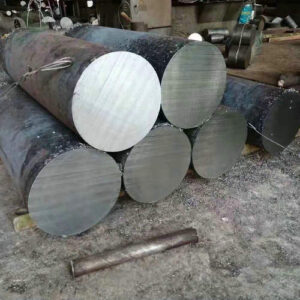
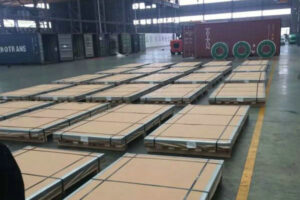
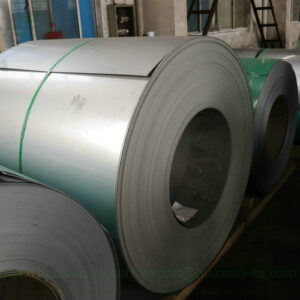
Need a material that is tough and holds a sharp edge? Explore Huaxiao Metal’s range of 420 Stainless Steel Plate, Coil, and Bar products.
- Grade: AISI 420 / UNS S42000
- Chromium content: 12–14%
- Carbon content: ~0.15%–0.40%
- Magnetic: Yes
- Hardenable by heat treatment: Yes
- Finish options: 2B, BA, polished, etc.
What Is 304 Stainless Steel?
304 stainless steel is the most versatile and widely used stainless steel in the world, often referred to as “18/8” because of its composition of 18% chromium and 8% nickel. It belongs to the austenitic family.
Key Properties:
- Excellent Corrosion Resistance: The nickel content gives 304 superior resistance to rust and a wide variety of chemical corrodents. This is its most significant advantage.
- Superb Formability & Weldability: It is highly ductile and can be easily bent, stamped, and drawn without cracking.
- Hygienic and Easy to Clean: Its non-porous surface makes it a standard in the food and medical industries.
Best For: Applications where corrosion resistance and formability are paramount.
- Food Processing Equipment
- Kitchen Sinks and Appliances
- Architectural Paneling and Railing
- Chemical Containers and Piping
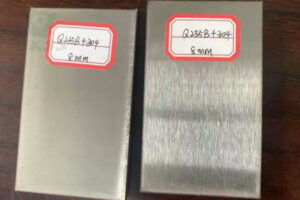
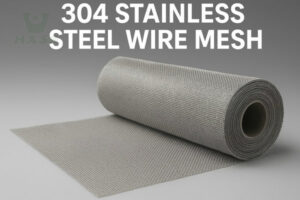
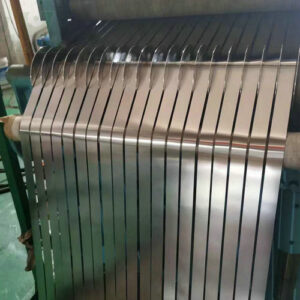
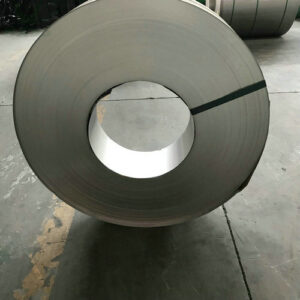
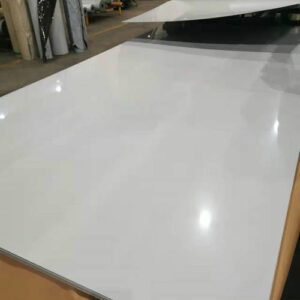
Looking for a reliable, all-around performer for corrosive environments? Check out our inventory of 304 Stainless Steel Sheets, Coils, Strips, etc.
- Grade: AISI 304 / UNS S30400
- Chromium: 18–20%
- Nickel: 8–10.5%
- Carbon: Max 0.08%
- Magnetic: No (in annealed condition)
- Not heat-treatable for hardness
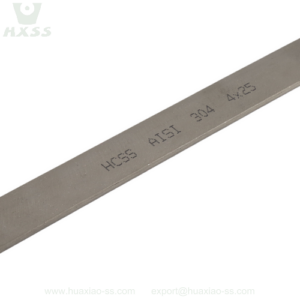

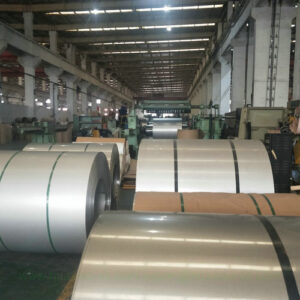
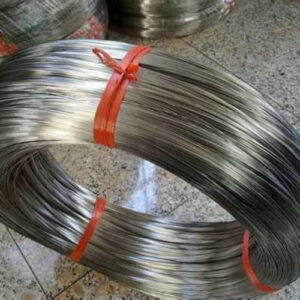
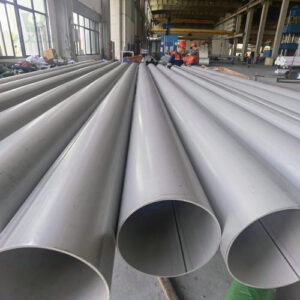

420 vs 304 Stainless Steel: Key Differences
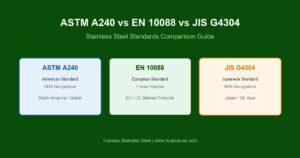
As a leading stainless steel manufacturer, Huaxiao Metal ensures all 420 and 304 materials meet international standards such as ASTM A240 and EN 10088.
For a quick overview, here is a simple comparison table:
| Feature | 420 Stainless Steel | 304 Stainless Steel |
| Steel Family | Martensitic | Austenitic |
| Key Feature | High Hardness, Wear Resistance | Excellent Corrosion Resistance, Formability |
| Corrosion Resistance | Moderate | Excellent |
| Hardness | Very High (Heat-treatable) | Soft (Not heat-treatable) |
| Magnetism | Magnetic | Non-magnetic (in annealed condition) |
| Common Applications | Knives, Surgical Tools, Valves, Shafts | Kitchen Sinks, Food Processing, Architecture |
| Cost | Generally lower | Higher (due to Nickel content) |
Hardness & Heat Treatment
420 Stainless Steel:
- Can be heat-treated
- Hardness up to HRC 48–56
- Ideal for cutting and wear applications
304 Stainless Steel:
- Cannot be hardened
- Much softer
- Not suitable for cutting tools
👉 Conclusion: If your product requires sharp edges or wear resistance, → 420 is the only choice
Chemical Composition: 420 vs 304 Stainless Steel
| Element | 420 Stainless Steel | 304 Stainless Steel |
|---|---|---|
| Chromium (Cr) | 12.0 – 14.0% | 18.0 – 20.0% |
| Nickel (Ni) | ≤ 1.0% (often none) | 8.0 – 10.5% |
| Carbon (C) | 0.15 – 0.40% | ≤ 0.08% |
| Manganese (Mn) | ≤ 1.0% | ≤ 2.0% |
| Silicon (Si) | ≤ 1.0% | ≤ 1.0% |
| Phosphorus (P) | ≤ 0.04% | ≤ 0.045% |
| Sulfur (S) | ≤ 0.03% | ≤ 0.03% |
Summary: 420 contains more carbon, enabling it to be hardened by heat treatment. 304 has higher chromium and nickel, which improves corrosion resistance.
Mechanical Properties Comparison
| Property | 420 Stainless Steel | 304 Stainless Steel |
|---|---|---|
| Tensile Strength (MPa) | 650 – 850 MPa (hardened) | ~520 – 750 MPa |
| Yield Strength (MPa) | 345 MPa (typical) | ~215 – 275 MPa |
| Elongation (%) | ~20% | ~40 – 45% |
| Hardness (Rockwell HRC) | Up to 50 HRC (after heat treatment) | ~70 HRB (non-hardened) |
| Impact Toughness | Low | High |
Summary: 420 offers higher hardness and wear resistance. 304 offers better ductility and toughness, suitable for deep drawing and forming.
Physical Properties Comparison
| Property | 420 Stainless Steel | 304 Stainless Steel |
|---|---|---|
| Density (g/cm³) | 7.75 | 8.0 |
| Melting Point (°C) | ~1,480°C | ~1,400 – 1,450°C |
| Thermal Conductivity (W/m·K) | 24.9 | 16.2 |
| Electrical Resistivity (µΩ·cm) | 55.0 | 72.0 |
| Magnetic | Yes (strong) | No (in annealed state) |
Summary: 420 is magnetic and has better thermal conductivity, while 304 has higher corrosion resistance but is generally non-magnetic.
Corrosion Resistance
304 Stainless Steel: Offers excellent corrosion resistance in most environments, including acidic and chloride-rich conditions. Suitable for marine, food, and chemical processing applications.
420 Stainless Steel: Provides moderate corrosion resistance, suitable for dry or mildly corrosive environments. Not ideal for saltwater or chemical exposure.
💡 If corrosion resistance is your priority, 304 is the better choice.
Weldability and Fabrication
304 Stainless Steel:
- Excellent weldability using all standard methods (TIG, MIG, etc.)
- No post-weld heat treatment required
- Highly formable and easy to fabricate
420 Stainless Steel:
- Limited weldability, prone to cracking due to high carbon content
- Pre-heating and post-weld annealing are often required
- Less formable due to martensitic structure
Choose 304 if your process involves extensive welding or forming.
Cost and Availability
| Factor | 420 Stainless Steel | 304 Stainless Steel |
|---|---|---|
| Raw Material Cost | Lower | Higher (due to Ni) |
| Processing Cost | Moderate (needs heat treatment) | Lower for standard use |
| Market Availability | Common, less than 304 | Extremely common, widely stocked |
420 is more economical for applications requiring hardness but not corrosion resistance. 304 is more costly but versatile.
420 vs 304 Stainless Steel: Which is Better for You?
Choose 420 Stainless Steel if:
- You need extreme hardness and sharpness.
- Wear resistance is your top priority.
- Your product will be in a low-corrosion environment.
- Cost is a primary decision factor.
Choose 304 Stainless Steel if:
- Superior corrosion resistance is non-negotiable.
- You need to bend, form, or weld the material.
- The application is for the food, beverage, or medical industry.
- You need a non-magnetic material.
Get a Quote from Huaxiao Metal
At Huaxiao Metal, we offer:
420 Stainless Steel: Sheet, coil, strip, bar, rod, etc.
304 Stainless Steel: Sheet, coil, strip, bar, pipe, etc.
Custom sizes and surface finishes are available
Fast delivery & global shipping
Not sure which material to choose?
Our engineers can recommend the most cost-effective solution for your project.
Contact us today for competitive pricing!
Why Partner with Huaxiao Metal?
Understanding the technical differences between 420 and 304 stainless steel grades is just the first step. The next, and most crucial, is choosing a supplier you can trust to deliver quality, on time, and on budget.
At Huaxiao Metal, we don’t just sell steel; we build partnerships. Here’s how we deliver unmatched value, by the numbers:
15+ Years of Steel Expertise
We are not just traders; we are industry veterans. With over 15 years of dedicated experience, our team provides expert technical advice to ensure you select the perfect grade for your application, saving you time and money.
60+ Countries Delivered To
Our logistics network is truly global. We have a proven track record of successfully exporting to over 80 countries, navigating complex shipping and customs requirements with ease so your material arrives safely and on schedule.
3000,000+ Tons of Ready Stock
Time is critical. Our massive warehouse holds over 10,000 tons of stainless steel, including extensive stock of 420 and 304 grades in various forms. This means faster dispatch times and shorter lead times for your project.
24-Hour Quotation Promise
Your time is valuable. Contact our team with your requirements, and we guarantee a detailed, competitive quotation within 24 hours. Experience the efficiency and professionalism that sets us apart.
Ready to Make Your Choice?
Whether your project demands the hard-wearing edge of 420 stainless steel or the superior corrosion resistance of 304, Huaxiao Metal is your definitive source.
Request Your Free Quote Today and let our experts provide the perfect steel solution for you.
FAQ: 420 vs 304 Stainless Steel
Which is better, 420 or 304 stainless steel?
It depends on your application.
- Choose 420 stainless steel if you need high hardness, wear resistance, or cutting performance
- Choose 304 stainless steel if you need strong corrosion resistance and durability
👉 In short:
420 = hardness
304 = corrosion resistance
What is the main difference between 420 and 304 stainless steel?
The biggest difference is:
- 420 stainless steel → heat-treatable, high hardness
- 304 stainless steel → non-hardenable, excellent corrosion resistance
👉 This makes them suitable for completely different applications.
Is 420 stainless steel better than 304 for knives?
Yes.
420 stainless steel is widely used for knives because it:
- Can be hardened (HRC 48–56)
- Has good wear resistance
- Holds an edge better than 304
👉 304 is too soft for cutting tools.
Which is more rust-resistant, 420 or 304 stainless steel?
304 stainless steel is much more corrosion-resistant.
- 304 → better for humid, food, or outdoor environments
- 420 → may rust if not properly treated
👉 For anti-rust performance, 304 is the better choice.
Can I use 420 stainless steel for outdoor or marine environments?
Not recommended.
420 stainless steel has lower corrosion resistance and may rust quickly in:
- Coastal areas
- High humidity environments
👉 In these cases, 304 (or even 316) is a better option.
Which is cheaper, 420 or 304?
420 is usually slightly cheaper, but total cost depends on processing and application.
How do I choose between 420 and 304 stainless steel?
You can follow this simple rule:
- Need hardness / cutting / wear resistance → choose 420
- Need corrosion resistance / food safety → choose 304
👉 If you’re unsure, Huaxiao Metal can help you select the best material based on your application and budget.
How does the magnetism of 420 vs 304 affect my manufacturing process?
This is a crucial functional difference. 420 is strongly magnetic, which is essential if your product requires magnetic sensors, latching, or induction heating. 304 is non-magnetic, making it the standard for sensitive electronic housings, MRI room components, or any application where magnetic interference must be avoided.
Is there a significant difference in welding 304 vs 420?
Yes, the difference is very significant. 304 stainless steel is one of the easiest stainless steels to weld. However, 420 stainless steel, due to its high carbon content, is extremely prone to “cold cracking.” If you choose 420 stainless steel, your production line must include preheating (200-300℃) and post-weld annealing processes. For projects requiring a large amount of welding but lacking high-tech equipment, 304 stainless steel is more reliable.
If the 304 and 420 stainless steel supplied by the supplier look exactly the same, how can I tell them apart?
Since they appear identical to the naked eye, Huaxiao Metal suggests starting with a simple magnet test: 420 stainless steel will be attracted to a magnet, while 304 stainless steel will not. For more professional verification, please be sure to obtain a Factory Testing Certificate (MTC), which should include information on the nickel (Ni) content (304 stainless steel has a nickel content greater than 8%, while 420 stainless steel has a nickel content less than 0.75%), or use a handheld PMI (XRF) analyzer for testing.
Conclusion: Making the Right Choice for Your Project
Selecting between 420 and 304 stainless steel is a balance of mechanical requirements and environmental factors. To summarize:
Choose 304 if your priority is maximum corrosion resistance, ease of welding, and food-grade hygiene.
Choose 420 if your project demands high hardness (HRC 50+), wear resistance for cutting edges, or magnetic properties.
Why Source from Huaxiao Metal?
Navigating material standards like ASTM A240 or EN 10088 can be complex. At Huaxiao Metal, we don’t just supply raw materials; we provide the technical expertise to ensure your components perform under pressure.
With over 15 years of global export experience, we offer:
Precision Processing: Custom hardening, tempering, and surface polishing (Mirror, No.4, HL).
Verified Quality: Every shipment includes a comprehensive Mill Test Certificate (MTC) and optional third-party SGS inspection.
Fast Logistics: Massive inventory of 304 and 420 coils/sheets ready for immediate sea or air freight.
Get a Professional Recommendation Today
Still unsure which grade will optimize your production costs? Our application engineers are ready to help.