Stainless steel is widely used in construction, manufacturing, home appliances, and other fields, and “Gauge” is an important unit to measure the thickness of stainless steel. Choosing the right Gauge can ensure the product’s strength, durability, and processing performance. This article will explain the definition, common specifications, and applications of stainless steel Gauge to help you make the right purchasing decision.
What is Gauge in Stainless Steel?
“Gauge” is a unit used to indicate the thickness of metal materials. Different Gauge values represent different thicknesses: the larger the value, the thinner the material; the smaller the value, the thicker the material. Common Gauge standards include American Standard (GA) and British Standard (SWG), but stainless steel plates are usually based on ASTM standards.
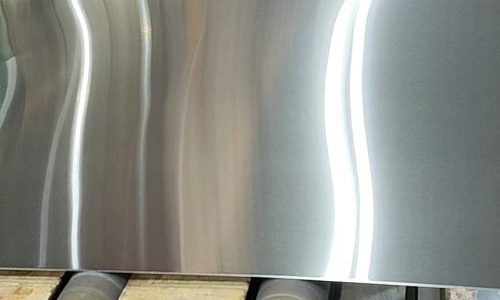
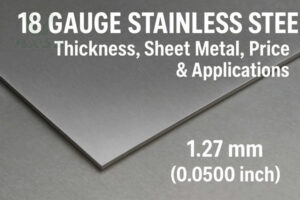
304 18 Guage Stainless Steel Sheets
Common Stainless Steel Gauge and Thickness Comparison Table
| Gauge (GA) | Thickness (mm) | Thickness (inches) |
|---|---|---|
| 7 | 4.76 mm | 0.1875 in |
| 8 | 4.37 mm | 0.1719 in |
| 9 | 3.97 mm | 0.1563 in |
| 10 | 3.57 mm | 0.1406 in |
| 11 | 3.18 mm | 0.1250 in |
| 12 | 2.78 mm | 0.1094 in |
| 14 | 1.98 mm | 0.0781 in |
| 16 | 1.59 mm | 0.0625 in |
| 18 | 1.27 mm | 0.05 in |
| 20 | 0.95 mm | 0.0375 in |
| 22 | 0.79 mm | 0.0312 in |
| 24 | 0.64 mm | 0.025 in |
| 26 | 0.48 mm | 0.0187 in |
| 28 | 0.41 mm | 0.0156 in |
| 30 | 0.33 mm | 0.013 in |
Get the latest inventory and stainless steel product prices of Huaxiao Metal!
The Difference Between Gauge and MM Thickness Standards
There are many ways to express the thickness of stainless steel plates internationally, mainly including:
US GA (Gauge) standard: Common in the North American market, used to express the thickness of plates and coils.
Millimeter (mm) thickness standard: China, Europe, Japan, and other countries mostly use millimeters to express the thickness of stainless steel, which is more intuitive.
SWG (Standard Wire Gauge): Used for wires, the unit is slightly different from GA.
Key Factors for Choosing Different Stainless Steel Gauges
Durability: The thicker the thickness (the smaller the gauge number), the better the corrosion resistance and structural strength, suitable for industrial equipment and outdoor use.
Cost control: Thin stainless steel sheets are cheaper and suitable for non-load-bearing decoration and light electrical appliances.
Processing performance: Thinner materials are easy to form and process, and suitable for complex bending designs.
Get the latest inventory and stainless steel product prices of Huaxiao Metal!
Common Application Scenarios of Stainless Steel Gauge
Architectural Decoration
16 GA (1.59 mm) and 18 GA (1.27 mm) stainless steel plates are commonly used for exterior curtain walls, stair handrails, elevator panels, etc.
Choosing thinner 22 GA (0.79 mm) as decorative panels can reduce costs.

Industrial and Mechanical Equipment
10 GA (3.57 mm) or 12 GA (2.78 mm) thick plates are mostly used for mechanical housings, storage tanks, and chemical equipment.
These specifications can improve wear resistance and impact resistance and are suitable for harsh environments.

Home Appliances and Kitchenware
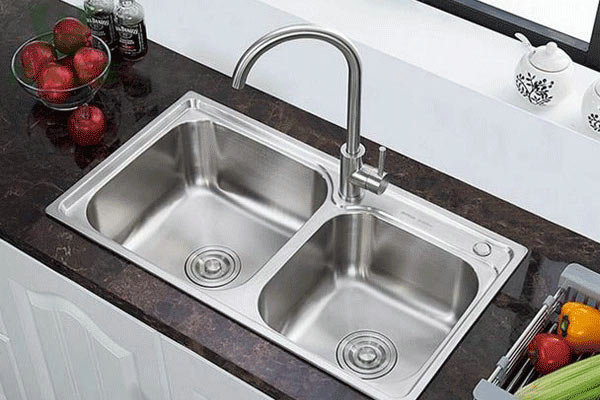
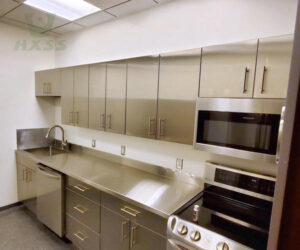
20 GA (0.95 mm) and 22 GA (0.79 mm) are commonly used in kitchen appliances and bathroom equipment, such as sinks, range hoods, etc.
This thickness ensures the lightness and durability of the product.

304 Stainless Steel, stainless steel sink
Pipes and Thin-Wall Structures
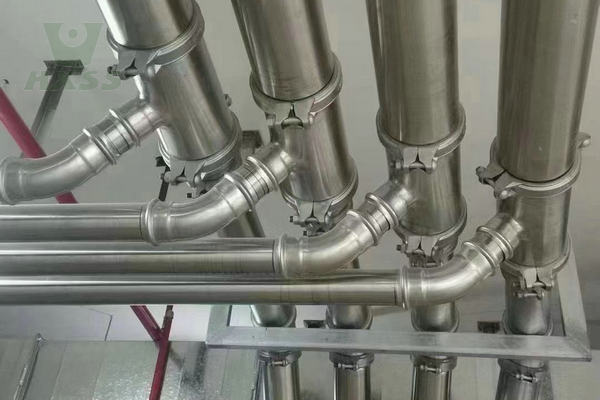
Stainless steel pipes are usually made in 18 GA (1.27 mm) and 20 GA (0.95 mm) gauges, which provide sufficient strength and are easy to install and weld.

Get the latest inventory and stainless steel product prices of Huaxiao Metal!

Stainless Steel Gauge vs Other Metals
To avoid confusion, it’s important to note that gauge systems vary depending on the metal type. For example, a 16 gauge stainless steel sheet does not have the same thickness as 16 gauge aluminum or galvanized steel.
| Material | 16 Gauge Thickness (Inches) | 16 Gauge Thickness (MM) |
|---|---|---|
| Stainless Steel | 0.062″ | 1.57 mm |
| Galvanized Steel | 0.063″ | 1.60 mm |
| Aluminum | 0.050″ | 1.27 mm |
| Copper | 0.065″ | 1.65 mm |
This comparison highlights why having the correct stainless steel gauge chart is crucial, especially when working with multiple metals in a project.
How to Choose the Right Stainless Steel Gauge?
Determine the thickness according to the purpose: For high-strength applications, please choose thicker specifications; for decoration or electrical housing, thinner specifications are more economical.
Consider the processing technology: Bending and stamping processes have higher requirements for thicker plates, which need to be planned in advance.
Environmental factors: Thicker plates should be used in outdoor or humid environments to improve corrosion resistance.
Choosing the right gauge is crucial to product quality, durability, and cost control. If you need to buy stainless steel products, please choose the right thickness according to the purpose and environment to ensure long-term use.
If you don’t understand, you can contact us directly. Our company has more than 15 years of experience in the stainless steel industry and can provide you with more professional stainless steel knowledge.
How to Measure Stainless Steel Gauge Thickness
If you are unsure about the gauge of your stainless steel sheet, there are several reliable ways to measure thickness:
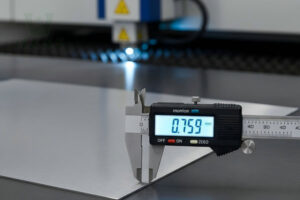
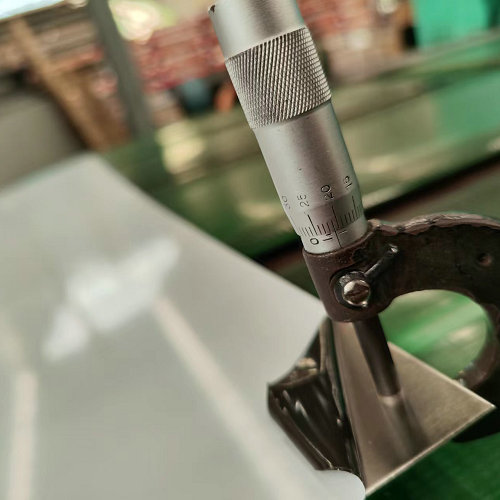
1. Digital Calipers or Micrometer – The most accurate way is to use a digital caliper or micrometer to measure the sheet’s thickness in millimeters (mm) or inches. Once you know the thickness, compare it with a stainless steel gauge chart to determine the correct gauge.
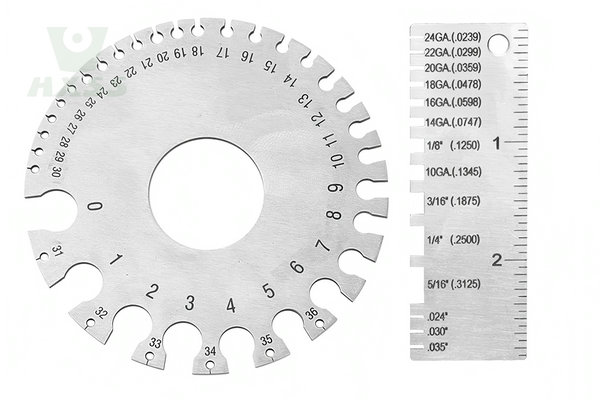
2. Gauge Measurement Tool – Specialized sheet metal gauge tools are available. These are handheld discs or plates with notched slots that allow you to slide the sheet in and directly read its gauge number.
3. Manufacturer Specifications – If the stainless steel sheet is sourced from a reliable supplier like Huaxiao Metal, the gauge and thickness information will usually be printed on product labels or included in the technical datasheet.
Tip: Always measure in more than one spot, especially if the sheet has coatings or finishes, to ensure accuracy.
Why Choose Huaxiao Metal?
As a professional stainless steel metal supplier, Huaxiao Metal provides stainless steel sheets and coils in a variety of specifications and thicknesses. We support customized gauges according to customer needs and provide you with fast delivery and professional technical support. Welcome to contact us for stainless steel prices and detailed stainless steel product information!
FAQ – Common Questions About Stainless Steel Gauge
What gauge stainless steel is best for kitchen sinks?
16 gauge is the most popular for premium sinks, offering durability and quiet performance. Budget sinks may use 18 gauge.
Is higher gauge number thinner or thicker?
A higher gauge number means thinner material. For example, 22 gauge is thinner than 16 gauge.
Can stainless steel gauge affect durability and cost?
Yes. Thicker gauges provide more durability but also increase weight and cost. Selecting the right balance is essential.
Which gauge is most commonly used in construction?
18–20 gauge is widely used for roofing, wall panels, and general construction sheet applications.
In Conclusion
Selecting the right stainless steel gauge thickness is crucial for ensuring performance, cost-effectiveness, and durability. Whether you are designing kitchen equipment, automotive panels, or architectural facades, understanding gauge charts and conversion tables helps avoid costly mistakes.
At Huaxiao Metal, we supply a full range of stainless steel sheets and coils in multiple gauges, thicknesses, and finishes. Our technical team can guide you in selecting the right material for your project.
Contact Huaxiao Metal today for expert advice, pricing inquiries, or customized stainless steel solutions.