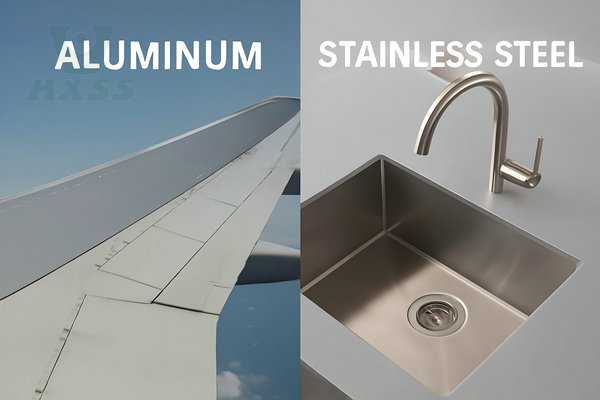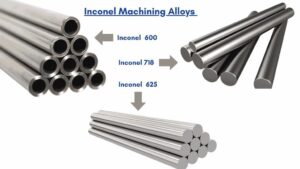
Aluminum vs stainless steel are two of the most commonly used metal materials in various industries. Each material has unique characteristics that make it suitable for different applications. In this section, we will explore the main features of aluminum vs stainless steel separately.
Aluminum:
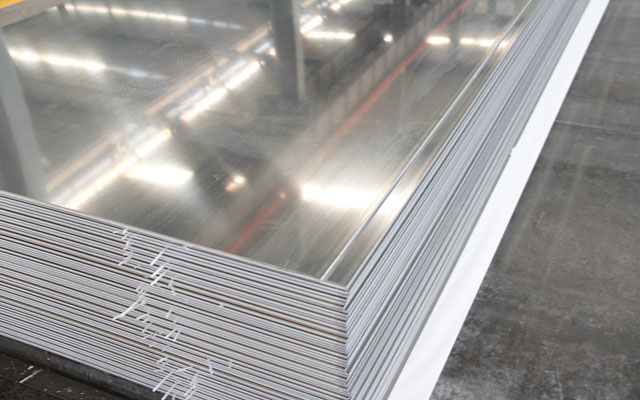
Lightweight: Aluminum is a lightweight material, which makes it an ideal choice for applications where weight is a crucial factor.
High strength-to-weight ratio: Despite its lightweight, aluminum has a high strength-to-weight ratio, which means that it can withstand a significant amount of weight or pressure while still being light in weight.
Excellent corrosion resistance: Aluminum has a natural oxide layer that provides excellent corrosion resistance, making it suitable for applications where exposure to harsh environments or chemicals is a concern.
Conductivity: Aluminum has excellent electrical conductivity, making it an ideal material for electrical and electronic applications.
Stainless Steel:
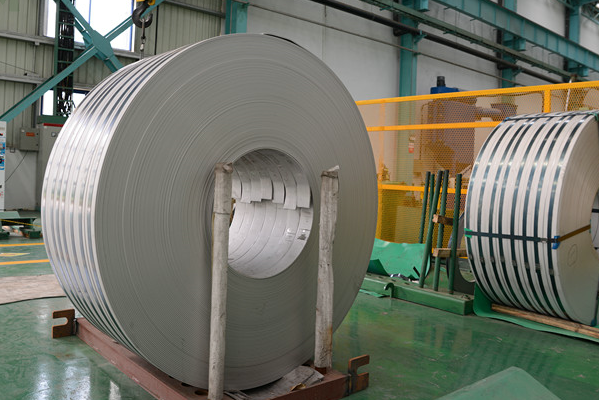
High strength: Stainless steel has high tensile strength, making it suitable for applications where strength is crucial.
Corrosion resistance: Stainless steel is highly resistant to corrosion, making it ideal for applications in harsh environments, such as marine or chemical industries.
Temperature resistance: Stainless steel can withstand high temperatures, making it suitable for applications in high-temperature environments.
Hygienic: Stainless steel is a hygienic material and is commonly used in food processing and medical equipment applications.
In summary, aluminum is a lightweight and corrosion-resistant material with excellent conductivity, while stainless steel is a strong and highly corrosion-resistant material with temperature resistance and hygienic properties. When choosing between these two materials, it is essential to consider the specific requirements of the application to determine which material is best suited for the job.
Aluminum vs stainless steel are two commonly used metal materials with distinct properties and characteristics. Here are some of the key differences between aluminum vs stainless steel:
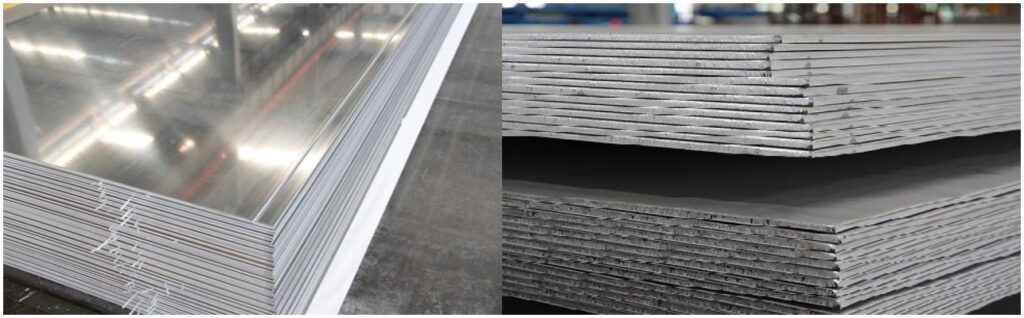
1. Strength
Aluminum: Aluminum has relatively low strength, so applications that must withstand high pressures and loads often require the use of alloys or reinforcements. Common aluminum alloys (such as 2024 and 7075) have relatively high strength, but are still lower than stainless steel.
Stainless steel: Stainless steels are generally strong, especially 304 and 316 stainless steels. They have high tensile and yield strengths, making them suitable for applications subject to high mechanical loads.
2. Strength-to-weight ratio
Aluminum: Aluminum has a low density (approximately 2.7 g/cm³), resulting in an excellent strength-to-weight ratio. Aluminum is a preferred choice for applications that require minimal weight while maintaining strength, such as aerospace, automotive, and portable devices.
Stainless steel: Stainless steel has a higher density (approximately 7.9 g/cm³), resulting in a lower strength-to-weight ratio than aluminum. While strong, it is not suitable for applications requiring lightweighting, such as aerospace and some transportation applications.
3. Cost
Aluminum: Aluminum’s raw material and processing costs are generally low, especially for some common aluminum alloys, making it an economical choice for many industrial applications. Aluminum is widely used in the construction, packaging, and consumer goods industries.
Stainless Steel: Stainless steel is relatively expensive, primarily due to its content of precious metals (such as nickel and chromium) and the complex manufacturing process. However, its corrosion resistance and strength make it an indispensable material in certain demanding applications, such as the medical and chemical industries.
4. High-Temperature Resistance
Aluminum: Aluminum performs poorly in high-temperature environments, particularly at temperatures exceeding 200°C. Therefore, aluminum is generally not suitable for use in high-temperature environments.
Stainless Steel: Stainless steel, especially heat-resistant grades (such as 310 and 321), offer excellent high-temperature resistance. These grades maintain their structure and strength at elevated temperatures, making them ideal for high-temperature applications such as boilers, heat exchangers, and engine components.
5. Corrosion Resistance
Aluminum: Aluminum exhibits excellent corrosion resistance, particularly due to the naturally formed oxide film on its surface that protects it from corrosion. However, aluminum’s corrosion resistance may be reduced in certain extreme environments (such as strong acids and bases).
Stainless Steel: Stainless steel, due to its chromium content, offers excellent corrosion resistance, particularly in seawater, acidic environments, and chemical exposure. Types like 316 stainless steel, with their exceptional corrosion resistance, are the material of choice for many marine and chemical equipment.
6. Workability
Aluminum: Aluminum performs well when machined, being easily cut, welded, and formed. Its workability makes it well-suited for manufacturing complex shapes in many applications.
Stainless Steel: Machining stainless steel is more difficult, especially when fine cutting and forming are required. Its high hardness easily wears tools. Therefore, while stainless steel offers excellent strength, its machinability is poor, requiring more precise equipment and techniques.
7. Electrical Conductivity
Aluminum: Aluminum has excellent electrical conductivity, making it an ideal material for power transmission and electrical equipment. Aluminum alloy cables are particularly popular in high-current applications, especially for power transmission.
Stainless Steel: Stainless steel has poor electrical conductivity and is therefore unsuitable for applications requiring good electrical conductivity. However, due to its strength and corrosion resistance, stainless steel is still used in some electrical equipment requiring mechanical strength.
8. Ductility
Aluminum: Aluminum has good ductility and can be stretched into thin sheets during processing, making it suitable for manufacturing various thin materials (such as aluminum foil and aluminum sheet). This makes aluminum very popular in packaging and electronic devices.
Stainless Steel: Stainless steel has relatively poor ductility, especially in harder grades. However, some types of stainless steel (such as 304 and 316 stainless steel) still have some ductility, making them suitable for processes such as cold pressing and drawing.
9. Durability
Aluminum: Aluminum is highly durable, but it is prone to plastic deformation when subjected to high pressure or impact. Aluminum is suitable for long-term use under low to medium loads, but is not suitable for applications subject to high loads.
Stainless Steel: Stainless steel is very durable and can withstand wear and corrosion in extreme environments, especially in high-intensity, long-term use. Its high strength makes it very popular in industries such as construction, engineering, and aviation.
10. Thermal Conductivity
Aluminum: Aluminum has excellent thermal conductivity, making it the material of choice for many heat exchange applications. For example, in radiators and cooling systems, aluminum effectively conducts heat.
Stainless Steel: Stainless steel has poor thermal conductivity and is generally not the material of choice for applications that require rapid heat transfer. While it is highly resistant to high temperatures, its thermal conductivity is relatively low.
11. Maintenance
Aluminum: The aluminum surface is easy to clean and resists rusting in most environments. However, in some highly corrosive environments, the aluminum oxide film may require periodic maintenance.
Stainless Steel: Stainless steel generally performs well in terms of maintenance due to its strong corrosion resistance. However, in some extreme environments, periodic inspection of the surface for corrosion or damage may be necessary.
Composition of Major Stainless Steel Alloys
| Alloy Grades | %C | %Mn | %P | %S | %Si | %Cr | %Ni | %Mo |
|---|---|---|---|---|---|---|---|---|
| SS304 | 0.040 | 1.580 | 0.024 | 0.040 | 0.400 | 18.35 | 8.040 | 0.070 |
| SS304L | 0.010 | 1.638 | 0.023 | 0.002 | 0.412 | 18.56 | 8.138 | 0.364 |
| SS316 | 0.080 | 2.000 | 0.045 | 0.030 | 1.000 | 16.80 | 11.20 | 2.500 |
| SS316L | 0.020 | 1.390 | 0.024 | 0.080 | 0.480 | 16.80 | 10.22 | 2.080 |
| SS410 | 0.150 | 1.000 | 0.040 | 0.020 | 0.600 | 11.50 | 0.750 | 0.050 |
| SS430 | 0.120 | 1.000 | 0.040 | 0.030 | 1.000 | 17.00 | 0.100 | – |
Composition of Major Aluminum Alloys
| Alloy | %Cu | %Mg | %Mn | %Si | %Zn |
|---|---|---|---|---|---|
| 2024 | 4.4 | 1.5 | 0.6 | 0 | 0 |
| 6061 | 0 | 1 | 0 | 0.6 | 0 |
| 7005 | 0 | 1.4 | 0 | 0 | 4.5 |
| 7075 | 1.6 | 2.5 | 0 | 0 | 5.6 |
| 5083 | 0.1 | 4.5 | 0 | 0.4 | 0.1 |
| 1100 | 0.05 | 0.05 | 0 | 0.1 | 0 |
These differences should be considered when selecting the appropriate material for a specific application.