When engineers or purchasing managers are choosing materials for high-temperature or corrosion-resistant projects, 321 vs 347 stainless steel is often compared side by side.
Both are stabilized austenitic stainless steels derived from the well-known 304 grade, but each is modified with a special element—titanium (Ti) in 321 and niobium (Nb/Ta) in 347—to prevent sensitization and intergranular corrosion.
At Huaxiao Metal, a professional China stainless steel supplier and manufacturer, we help global customers source the right grades at competitive prices. This article will clarify the differences between 321 and 347 stainless steel, analyze their chemical, mechanical, and performance aspects, and guide you on how to select, purchase, and get quotes for your projects directly from China.
To get detailed specifications or the latest prices, visit:
Definition of 321 vs 347 Stainless Steel
(UNS S32100) 321 Stainless Steel
321 stainless steel (UNS S32100 / EN 1.4541) is an austenitic stainless steel alloy that contains titanium as an alloying element. This addition of titanium enhances its resistance to intergranular corrosion, particularly during welding and high-temperature operations. Due to its improved corrosion resistance at elevated temperatures, 321 stainless steel is often employed in applications such as exhaust systems, jet engine components, and high-temperature chemical processing.
At Huaxiao Metal, we stock a full range of China 321 stainless steel sheets, plates, coils, and pipes with mill certificates and export packaging.
📩 Contact us for 321 stainless steel prices!
(UNS S34700) 347 Stainless Steel
347 stainless steel (UNS S34700 / EN 1.4550) is a type of austenitic stainless steel that is characterized by its composition and specific properties. It is part of the 300 series stainless steels, which are known for their corrosion resistance, durability, and heat resistance. The distinctive feature of 347 stainless steel is the addition of the element niobium (Nb), also known as columbium, in its composition. This element plays a significant role in enhancing the steel’s performance, particularly in high-temperature and corrosive environments.
Huaxiao Metal offers China 347 stainless steel coils, plates, and seamless pipes with reliable quality and competitive export pricing.
321 vs 347 Stainless Steel – What’s the Difference
Chemical Composition of 347 and 321 Stainless Steel
| Element | Grade 347 Stainless Steel | Grade 321 Stainless Steel |
|---|---|---|
| C | 0.08 | 0.08 |
| Mn | 2.00 | 2.00 |
| Si | 0.75 | 0.75 |
| P | 0.045 | 0.045 |
| S | 0.030 | 0.030 |
| Cr | 17.0-19.0 | 17.00 – 19.00 |
| Ni | 9.0-13.0 | 9.00 – 12.00 |
| Mo | – | – |
| N | – | 0.1 |
Both 347 and 321 stainless steels are part of the austenitic stainless steel family and share many similarities in their chemical compositions. The key differences lie in the additional elements present in each grade. In 347 stainless steel, the addition of niobium improves its resistance to intergranular corrosion and sensitization in high-temperature environments. In 321 stainless steel, the addition of titanium aids in preventing carbide precipitation during welding, reducing the risk of intergranular corrosion.
These slight variations in composition give each stainless steel grade its distinct properties and advantages for specific applications.
Physical Properties of 321 vs 347 Stainless Steel:
| Physical Property | 321 Stainless Steel | 347 Stainless Steel |
|---|---|---|
| Density (g/cm³) | 7.93 | 7.96 |
| Melting Point (°C) | Approx. 1400 | Approx. 1400 |
| Coefficient of Thermal Expansion | 16.5 x 10^-6 /°C | 16.5 x 10^-6 /°C |
| Thermal Conductivity (W/m·K) | 16.3 (100°C) / 21.5 (500°C) | 16.3 (100°C) / 21.5 (500°C) |
| Young’s Modulus (GPa) | 193 | 193 |
| Electrical Resistivity (μΩ·cm) | 72 (20°C) / 86 (500°C) | 72 (20°C) / 86 (500°C) |
In summary, 321 and 347 stainless steels share many similar physical properties due to their common austenitic stainless steel nature. These properties contribute to their overall performance in various applications, especially in high-temperature and corrosive environments.
Mechanical Properties of 321 vs 347 Stainless Steel:
| Mechanical Property | 321 Stainless Steel | 347 Stainless Steel |
|---|---|---|
| Tensile Strength (MPa) | 515 – 730 | 515 – 655 |
| Yield Strength (0.2% offset) (MPa) | ≥205 | ≥205 |
| Elongation (%) | ≥40 | ≥40 |
| Hardness (Brinell HB) | ≤217 (Annealed) | ≤217 (Annealed) |
These mechanical property comparisons highlight the similarity between 321 and 347 stainless steels in terms of their mechanical performance. Both grades have comparable tensile strength, yield strength, elongation, and hardness, which can be attributed to their common austenitic stainless steel structure. These properties make them suitable for various applications, particularly those requiring good strength, ductility, and resistance to deformation.
High Temperature Resistance and Corrosion Resistance
High Temperature Resistance: Creep and Oxidation
Common Advantages: Both 321 and 347 exhibit higher **high-temperature creep and stress rupture performance than 304/304L. Their maximum continuous service temperature can reach approximately 900°C to 925°C.
Niobium Advantages: 347 stainless steel generally has a slight edge in maintaining mechanical strength and creep properties at high temperatures, thanks to the inherent stability of niobium carbides. In some extreme high-temperature and high-pressure applications (such as nuclear power or supercritical boilers), 347H (high-carbon version) is a better choice.
Corrosion Resistance: Intergranular and Polysulfide
Intergranular Corrosion: This is the design intention of 321 and 347. They offer perfect resistance to intergranular corrosion after welding or heat treatment.
Polythionic Acid Stress Corrosion Cracking (PASCC): PASCC is a serious threat in refineries, petrochemicals, and the oil and gas industry. The stabilized structure of 321 and 347 stainless steels makes them among the best materials for resisting PASCC, making them the standard choice for oil refining equipment.
Oxidizing Environments: In highly oxidizing environments (such as concentrated nitric acid), data suggest that 347 stainless steel may have slightly better resistance to general corrosion than 321.
Weldability and Fabrication
Both grades are easy to weld using standard fusion and resistance welding techniques.
Post-weld annealing is not typically required due to stabilization.
321 is slightly easier to form and machine than 347.
Use low carbon filler metals (e.g., 347 or 321 rods) for welding to avoid sensitization.
Huaxiao Metal can provide custom cutting, slitting, polishing, and surface finishing for both grades based on customer drawings or processing requests.
Price and Availability
The price of 321 stainless steel and 347 stainless steel in China depends on:
Nickel and chromium market prices.
Titanium or niobium alloying cost.
Product form (sheet, plate, coil, or tube).
Surface finish (2B, BA, No.4, mirror).
Quantity, thickness, and delivery terms.
Typically, 347 stainless steel is slightly more expensive than 321 because of the higher cost of niobium and more complex processing.
At Huaxiao Metal, we maintain large inventories and flexible MOQ policies for international buyers.
Contact us to get the latest China 321/347 stainless steel prices and stock availability.
Equivalent Grades
| Standard | 321 Equivalent | 347 Equivalent |
|---|---|---|
| China (GB) | 1Cr18Ni9Ti | 00Cr19Ni11Nb |
| USA (ASTM) | 321 / 321H | 347 / 347H |
| Europe (EN) | 1.4541 | 1.4550 |
| Japan (JIS) | SUS321 | SUS347 |
| Russia | 08X18H10T | 08X18H10Nb |
Understanding these equivalents is crucial for international procurement, as specifications vary by region.
Huaxiao Metal’s export team can help verify equivalent grades and certifications (EN 10204 3.1, ASTM A240, etc.) for global compliance.
Advantages of 321 vs 347 Stainless Steel:
Advantages of 321 Stainless Steel:
- Intergranular Corrosion Resistance: The addition of titanium in 321 stainless steel reduces the risk of intergranular corrosion and sensitization during high-temperature operations. This makes it well-suited for applications involving welding and exposure to corrosive environments.
- High-Temperature Performance: 321 stainless steel offers excellent high-temperature oxidation resistance, making it suitable for applications such as heat exchangers, furnace components, and exhaust systems.
- Weldability: The titanium-stabilized composition of 321 stainless steel prevents the formation of harmful carbides during welding, reducing the likelihood of weld decay and sensitization.
- Formability and Ductility: 321 stainless steel retains good formability and ductility even after exposure to elevated temperatures, making it suitable for forming and bending processes.
- Food Processing Industry: Due to its resistance to corrosion and low carbon content, 321 stainless steel is used in equipment for the food and beverage industry.
Advantages of 347 Stainless Steel:
- Intergranular Corrosion Resistance: The addition of niobium in 347 stainless steel provides excellent resistance to intergranular corrosion, particularly in high-temperature applications.
- High-Temperature Performance: Like 321 stainless steel, 347 stainless steel maintains its strength and corrosion resistance at elevated temperatures, making it suitable for high-temperature equipment and components.
- Weldability: The niobium content in 347 stainless steel aids in preventing carbide precipitation during welding, reducing the risk of sensitization and intergranular corrosion.
- Chemical Processing: The corrosion resistance and high-temperature stability of 347 stainless steel make it well-suited for use in chemical processing equipment and applications involving corrosive chemicals.
- Aerospace Industry: The combination of high-temperature resistance and corrosion resistance makes 347 stainless steel a suitable choice for aerospace components subjected to demanding conditions.
Both 321 and 347 stainless steels offer advantages in specific applications. While they share many similarities due to their austenitic nature, their unique alloying elements provide targeted benefits in different scenarios. When selecting between these grades, considering the specific environment, temperature, and performance requirements is crucial to making the optimal choice for a given application.
Application of 321 vs 347 Stainless Steel: Which is the best choice for you?
The choice between 321 and 347 depends on the specific operating temperature, corrosive media, and manufacturing cost considerations.
Applications of 321 Stainless Steel:
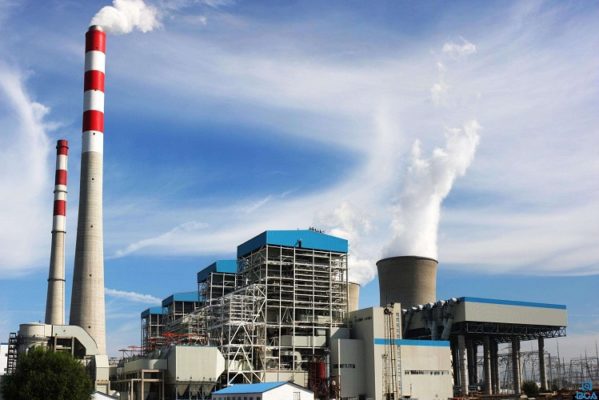
- High-Temperature Equipment: 321 stainless steel’s high-temperature oxidation resistance makes it suitable for manufacturing equipment used in high-temperature environments, such as heat exchangers, furnace parts, and exhaust systems.
- Aircraft Exhaust Systems: The combination of heat resistance and corrosion resistance makes 321 stainless steel a preferred choice for aircraft exhaust systems, where it can withstand the high temperatures and corrosive gases produced during flight.
- Food Processing Equipment: 321 stainless steel’s corrosion resistance and low carbon content make it suitable for equipment used in the food processing industry, where hygiene and resistance to corrosive foods are critical.
- Chemical Processing: Its resistance to chemicals and high temperatures allows 321 stainless steel to be used in various chemical processing applications, including reactors, storage tanks, and pipes.
- Power Generation: 321 stainless steel is utilized in power plants for components exposed to high-temperature steam and gases, such as superheaters and reheaters.
Applications of 347 Stainless Steel:
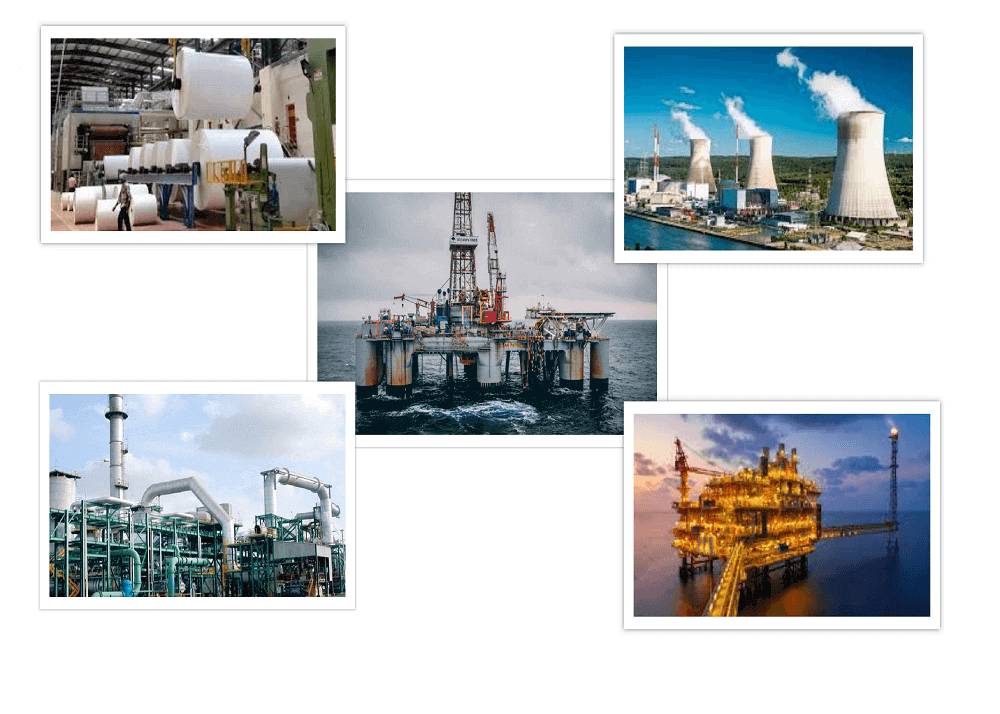
- Chemical Processing Equipment: The excellent corrosion resistance of 347 stainless steel in high-temperature, corrosive environments makes it suitable for equipment used in chemical processing, including reactors, heat exchangers, and pipelines.
- High-Temperature Piping: 347 stainless steel’s ability to maintain its properties in high-temperature conditions makes it suitable for piping and tubing used in various industries, including petrochemical and power generation.
- Aerospace Industry: 347 stainless steel’s resistance to intergranular corrosion and high-temperature stability make it suitable for aerospace components such as rocket engine parts, where both corrosion resistance and high-temperature performance are critical.
- Automotive Exhaust Systems: Similar to 321 stainless steel, 347 stainless steel can be used in automotive exhaust systems to withstand the high temperatures and corrosive gases generated by internal combustion engines.
- Oil and Gas Industry: 347 stainless steel’s resistance to corrosion and high temperatures makes it a viable choice for components used in the oil and gas industry, including pipelines and processing equipment.
In both cases, the choice between 321 and 347 stainless steel depends on the specific requirements of the application, including the operating temperature, exposure to corrosive environments, and mechanical properties needed for the components. Careful consideration of these factors ensures that the chosen stainless steel grade performs optimally and meets the demands of the intended application.
Advantages of Buying from Huaxiao Metal
Huaxiao Metal is a leading stainless steel manufacturer and exporter based in China, serving global clients for over 15 years.
Why Choose Us:
Direct factory sourcing – Competitive China stainless steel prices.
Extensive inventory – 321 & 347 stainless steel sheets, coils, and tubes in stock.
Customization – Cutting, polishing, surface treatment, and packaging services.
Export expertise – We provide CIF, FOB, and DDP delivery worldwide.
Fast quotation – Get a price within 24 hours.
Contact Huaxiao Metal today to receive your personalized quote for China 321 or 347 stainless steel materials.
FAQ: 321 vs 347 Stainless Steel
What is the main difference between 321 and 347 stainless steel?
The main difference lies in the stabilizing elements. 321 stainless steel uses titanium (Ti) for stabilization, while 347 stainless steel uses niobium (Nb) and tantalum (Ta). This gives 347 stainless steel a slight advantage in high-temperature welding and resistance to polysulfonic acid stress corrosion cracking (PASCC).
Why are welding materials for 347 stainless steel typically used for welding 321 stainless steel?
Because the titanium element in 321 stainless steel is easily burned off during high-temperature arc welding, leading to unstable welds. The niobium element in 347 stainless steel is more stable. Therefore, ER347 welding materials are recommended for welding 321 to ensure good resistance to intergranular corrosion in the weld.
What are the maximum service temperatures for 321 and 347 stainless steel?
Both 321 and 347 stainless steels exhibit excellent oxidation resistance during continuous use, with maximum temperatures reaching approximately 900°C to 925°C. However, within the sensitization temperature range of 427°C to 816°C, they can be used for extended periods due to the protection of stabilizing elements, exhibiting performance far exceeding that of 304/304L.
Which grade is more suitable for refinery or petrochemical equipment?
347 stainless steel (and its high-carbon version, 347H) is generally the preferred choice for refineries and petrochemical equipment. This is because it has higher corrosion resistance in polysulfonic acid environments, and niobium-stabilized welds are more reliable in heavy-duty welding and in situations where post-weld annealing is not possible.
Which stainless steel, 321 or 347, is more suitable for post-weld use?
oth are weld-friendly austenitic stainless steels with added stabilizing elements to resist chromium carbide precipitation. However, for long-term operation in high-temperature environments (e.g., above 650-800 °C) after welding, 347 is recommended. For frequent welding at moderate temperatures (≤550-600 °C), 321 is sufficient. When purchasing, please confirm the supplier’s material standards, weldability certification, and factory inspection report.
In seawater or chlorine-containing environments, which is more corrosion-resistant, 321 or 347?
According to literature, the basic pitting corrosion resistance of 321 and 347 in chlorine-containing environments (such as seawater) is similar to that of 304/304L. The main difference lies in the stabilizing elements, and their impact on pitting corrosion is not as significant as that of molybdenum-alloy steels.
If the project is located in a harsh seawater/chloride ion environment, we recommend considering a higher grade (such as 316/316L or Mo-containing alloys), or contacting Huaxiao Metal for more suitable material recommendations.
Is 347 stainless steel stronger than 321?
Both have similar strength at room temperature, but 347 performs better at sustained high temperatures (above 800°C) due to its niobium stabilization.
Which grade is more cost-effective?
For general high-temperature applications (≤600°C), 321 stainless steel is more affordable. However, for extreme environments, 347 stainless steel offers better value for money.
Conclusion: Choosing the Right Stainless Steel for Your Project
Both 321 and 347 stainless steels are excellent stabilized austenitic alloys designed to perform under heat, corrosion, and mechanical stress.
If your application requires:
Moderate high-temperature performance and cost-efficiency → Choose 321 stainless steel.
Extreme heat stability and long-term reliability → Choose 347 stainless steel.
At Huaxiao Metal, we provide both grades in sheet, plate, coil, and tube forms, with global export packaging, certification, and competitive pricing.
📞 Contact us today for a quotation or technical consultation:
👉 China 321 Stainless Steel Page
👉 China 347 Stainless Steel Page
We look forward to being your trusted stainless steel supplier and manufacturing partner in China.