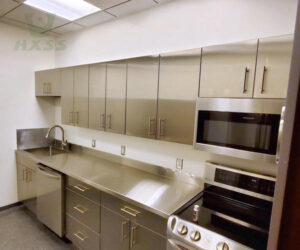
When purchasing stainless steel, it is important to understand the differences between similar metals. The two most popular types are 321 vs 316 stainless steel. So, what makes them different? Let’s look at the differences between these two alloys and find out why they might be right for your next project.
316 vs 321 stainless steel have different properties, which is why both have their unique applications. Studying 316 vs 321 stainless steel in detail to understand the differences between them is important to determine the best grade between them to best meet industry standards for specific applications, such as automotive and marine applications.
In this article, we will look at the main differences between 316 and 321 in terms of chemical composition, properties, and specific environments to help buyers better choose the right stainless steel material.
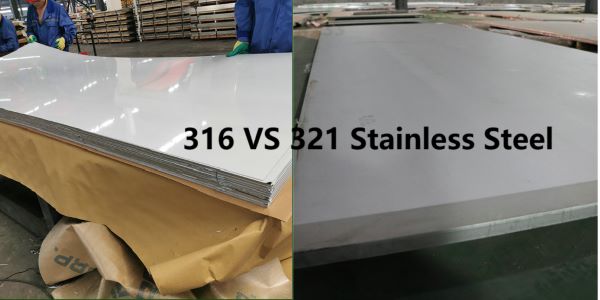
Definition of 316 vs 321 Stainless Steel
316 Stainless Steel
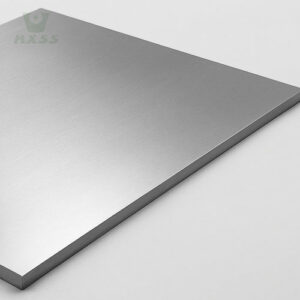
Grade 316 stainless steel, also known as AISI 316 or UNS S31600, is an austenitic stainless steel with a higher molybdenum content than 304 stainless steel. This additional molybdenum enhances corrosion resistance, especially against chlorides and other aggressive environments.
316 Stainless Steel Clad Plate
316 Stainless Steel Checkered Plate
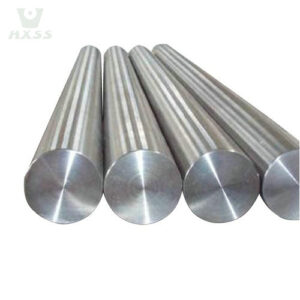
316 Stainless Steel Bars
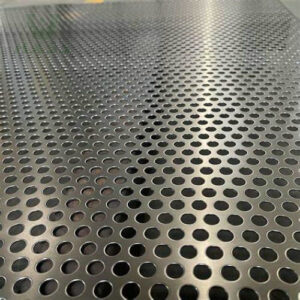
316 Stainless Steel Perforated Sheets
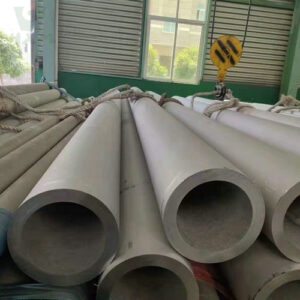
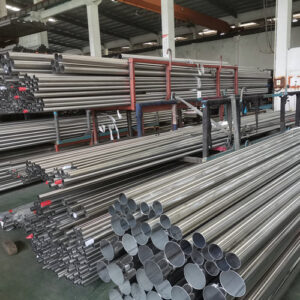
316 Stainless Steel Seamless Pipe
316 Stainless Steel Wires
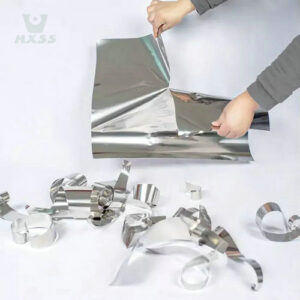
316 Stainless Steel Foils
316 Stainless Steel Strips
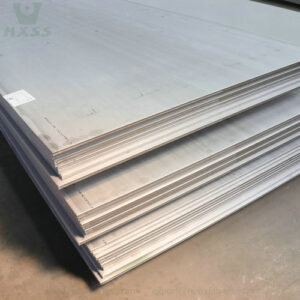
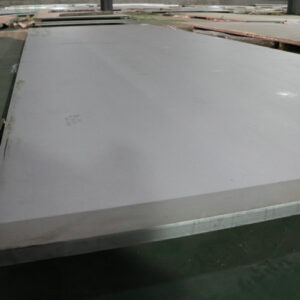
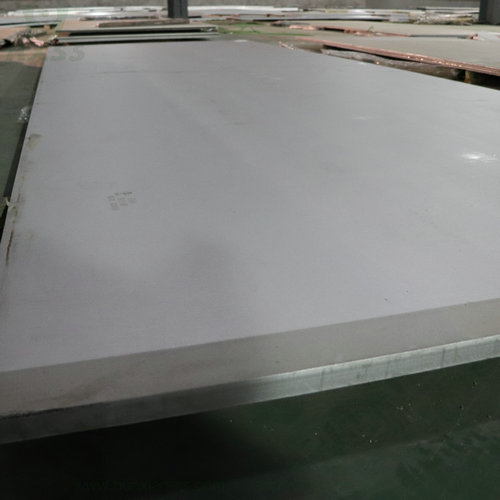
316L/316 Hot Rolled Stainless Steel Plate
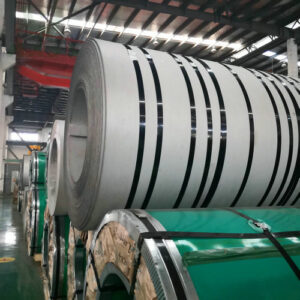
Hot Rolled 316/316L Stainless Steel Coil
316Ti Cold Rolled Stainless Steel Coil
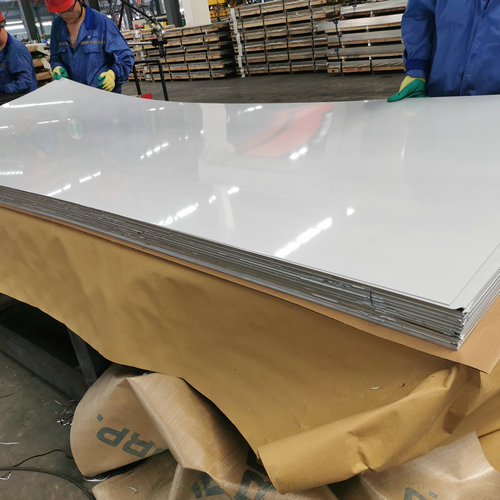
316/316L Cold Rolled Stainless Steel Sheets(0.2mm-8.0mm)
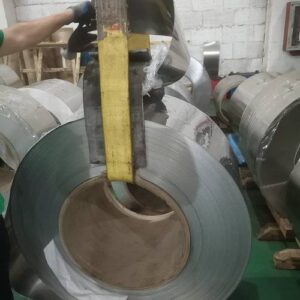
316L/316 Cold Rolled Stainless Steel Coil
321 Stainless Steel
321 stainless steel is an austenitic stainless steel alloy that contains titanium as an alloying element. This addition of titanium enhances its resistance to intergranular corrosion, particularly during welding and high-temperature operations. Due to its improved corrosion resistance at elevated temperatures, 321 stainless steel is often employed in applications such as exhaust systems, jet engine components, and high-temperature chemical processing.
In summary, 304 stainless steel offers general corrosion resistance and versatility, while 321 stainless steel provides enhanced resistance to intergranular corrosion and is well-suited for high-temperature environments.
321 vs 316 Stainless Steel – What’s the Difference
Are you a manufacturer in a certain industry and want to obtain 321 or 316 stainless steel to manufacture the required equipment? Please read this article to help you better choose 321 or 316 stainless steel.
316 SS is an austenitic stainless steel with higher nickel and molybdenum content compared to 321 stainless, which gives it excellent corrosion resistance even in chlorine environments, which is why it is best suited for marine applications. 321 stainless steel, in addition to its nickel and molybdenum content, also has titanium stabilization, which makes it suitable for high-temperature applications. 321 stainless steel does not allow chromium carbide precipitation during welding, thus preventing intergranular corrosion.
| Feature | 316 Stainless Steel | 321 Stainless Steel |
|---|---|---|
| Core Advantage | Excellent corrosion resistance, especially against chlorides | Excellent high-temperature resistance and resistance to intergranular corrosion |
| Key Alloying Element | Molybdenum | Titanium |
| Best Working Environment | Marine environments, chemical processing, and food processing | High-temperature environments (425–850°C), such as exhaust systems and furnace parts |
| Weldability | Good, but thick sections may require post-weld annealing | Excellent, typically no post-weld heat treatment needed |
| Cost & Versatility | Usually higher (due to expensive molybdenum and nickel) | Usually lower (compared to 316) |
The Equivalents of 321 and 316 Stainless Steel:
| GB/T | 321 | 316 |
|---|---|---|
| ASTM/UNS | 321 / S32100 | 316 / S31600 |
| EN | X6CrNiTi18-10 (1.4541) | X5CrNiMo17-12-2 (1.4401) |
| JIS | SUS 321 | SUS 316 |
| GOST | 08Х18Н10Т | 03Х17Н14М3 |
Chemical Composition of 321 vs 316 Stainless Steel
| Element | Grade 316 Stainless Steel | Grade 321 Stainless Steel |
|---|---|---|
| C | 0.08 max | 0.08 max |
| Mn | 2.00 max | 2.00 max |
| Si | 0.75 max | 0.75 max |
| P | 0.045 max | 0.045 max |
| S | 0.030 max | 0.030 max |
| Cr | 16.00 – 18.00 | 17.00 – 19.00 |
| Ni | 10.00 – 14.00 | 9.00 – 12.00 |
| Mo | 2.00 – 3.00 | – |
| Ti | – | 5 * C – 0.70 |
Note:
– The values listed are approximate and can vary slightly based on specific product forms and manufacturing processes.
– Grade 316 contains molybdenum (Mo), which gives it improved corrosion resistance compared to Grade 321.
– Grade 321 contains titanium (Ti), which helps prevent sensitization during welding and high-temperature applications.
Please be aware that the chemical composition of materials can vary based on specific standards, manufacturing methods, and specific product forms.
Physical Properties of 321 vs 316 Stainless Steel:
| Property | Grade 316 | Grade 321 |
|---|---|---|
| Density (g/cm³) | 7.98 | 7.92 |
| Melting Point (°C) | 1398 – 1420 | 1398 – 1420 |
| Specific Heat (J/kg·K) | 500 | 500 |
| Thermal Conductivity (W/m·K) | 16.2 | 16.3 |
| Electrical Resistivity (µΩ·m) | 740 | 720 |
| Modulus of Elasticity (GPa) | 193 | 193 |
| Poisson’s Ratio | 0.3 | 0.3 |
| Thermal Expansion (10^-6/K) | 16.5 – 16.7 | 16.5 – 16.9 |
Please note that these values are approximate and can vary based on temperature, specific product forms, and manufacturing processes. Always refer to the latest technical specifications or standards for the most accurate and up-to-date information.
Mechanical Properties of 321 vs 316 Stainless Steel:
| Property | Grade 316 | Grade 321 |
|---|---|---|
| Tensile Strength (MPa) | 515 – 690 | 515 – 850 |
| Yield Strength (0.2% offset) (MPa) | 205 – 260 | 205 – 230 |
| Elongation (%) | 30 – 40 | 35 – 40 |
| Hardness (Brinell HB) | ≤ 217 | ≤ 217 |
Please note that these values are approximate and can vary based on factors such as specific product forms, heat treatment, and testing methods. Mechanical properties can also be affected by variations in manufacturing processes. Always refer to the latest technical specifications or standards for the most accurate and up-to-date information.
Advantages of 321 vs 316 Stainless Steel
Stainless steel grades 321 and 316 both have their advantages and are suited for different applications. Here are some advantages of grade 321 stainless steel compared to grade 316:
- High-Temperature Stability: Grade 321 stainless steel contains titanium as a stabilizing element, which helps prevent sensitization and grain boundary carbide precipitation during high-temperature exposure. This makes it more suitable for applications involving extended exposure to elevated temperatures, such as in heat exchangers and furnace components.
- Weldability: Grade 321 stainless steel has better weldability compared to 316 due to its titanium content. The titanium forms stable carbides, preventing chromium depletion at the grain boundaries during welding. This minimizes the risk of sensitization and intergranular corrosion after welding.
- Resistance to Intergranular Corrosion: The titanium content in grade 321 also contributes to its improved resistance to intergranular corrosion, especially after welding or exposure to high temperatures. This is important in applications where corrosion resistance is crucial.
- Aerospace and Jet Engine Applications: Grade 321 stainless steel is often used in aerospace and jet engine applications due to its ability to withstand high temperatures and resist corrosion in these demanding environments.
- Cost-Efficiency: Grade 321 is generally less expensive than 316 stainless steel due to its lower nickel content. This can make it a more cost-effective option for certain applications while still providing good corrosion resistance and high-temperature capabilities.
It’s important to note that the choice between these two grades depends on the specific requirements of the application. While grade 321 has its advantages, grade 316 also offers excellent corrosion resistance and is widely used in various industries, including marine, chemical, and medical, where its performance characteristics are well-suited. The decision should be based on factors such as temperature exposure, corrosion environment, fabrication requirements, and budget considerations.
The Disadvantage of 321 vs 316 Stainless Steel
While stainless steel grade 321 has its advantages, it also has some disadvantages compared to grade 316. Here are a few of the potential disadvantages of grade 321 stainless steel:
- Lower Corrosion Resistance: Grade 316 stainless steel generally offers better overall corrosion resistance compared to grade 321. Grade 316 contains a higher amount of molybdenum, which enhances its resistance to various corrosive environments, including chloride-containing environments such as seawater.
- Reduced Strength at Elevated Temperatures: While grade 321 is designed for high-temperature applications, its mechanical properties, such as tensile strength and yield strength, may be somewhat reduced at elevated temperatures compared to grade 316. This can impact its performance in certain high-stress applications.
- Limited Cold Workability: Grade 321 stainless steel can be less easily cold-worked compared to grade 316. The presence of titanium in grade 321 can lead to increased strain hardening and reduced ductility during cold-forming processes.
- Sensitization at Extreme Temperatures: Although grade 321 is designed to resist sensitization, extreme temperatures or prolonged exposure to certain aggressive environments can still lead to sensitization and subsequent intergranular corrosion. While grade 316 is also susceptible to sensitization, its molybdenum content provides enhanced resistance in this regard.
- Potential for Titanium Nitride Precipitation: In certain environments, titanium nitride precipitation can occur on the surface of grade 321 stainless steel, affecting its appearance. This phenomenon is less likely to occur in grade 316 stainless steel.
- Limited Availability: Grade 321 stainless steel might be less commonly available compared to grade 316, depending on the region and specific suppliers. This can affect the ease of sourcing and lead times.
It’s important to consider these potential disadvantages in the context of your specific application requirements. Both grade 316 and grade 321 have their strengths and weaknesses, and the choice between them should be based on factors such as corrosion environment, temperature exposure, mechanical properties needed, fabrication considerations, and budget constraints.
Rust Resistance: 321 vs 316 Stainless Steel
- 321 Stainless Steel: Good rust resistance, but not ideal for marine or high-salt environments.
- 316 Stainless Steel: Superior rust resistance, especially suited for marine and salt-exposed conditions.
Strength: 321 vs 316 Stainless Steel
- 321 Stainless Steel: High strength, performs well in high-temperature environments.
- 316 Stainless Steel: Strong, but its strength decreases at elevated temperatures.
Toughness:
- 321 Stainless Steel: Good toughness, with stable performance even at low temperatures.
- 316 Stainless Steel: Excellent toughness, especially in cryogenic (low-temperature) environments.
Heat Resistance:
One of the most critical differences between 321 and 316 stainless steel is their high-temperature performance. This factor is especially important in industries such as aerospace, power generation, furnace manufacturing, and chemical processing.
| Property | 316 Stainless Steel | 321 Stainless Steel |
|---|---|---|
| Maximum Continuous Service Temperature (air) | 870°C | 900°C |
| Maximum Continuous Service Temperature (steam) | 925°C | 950°C |
| Sensitization during welding | High risk | Very low risk due to Ti stabilization |
| Thermal Expansion Coefficient (20–100°C) | 16.0 × 10⁻⁶ /°C | 16.2 × 10⁻⁶ /°C |
Key Takeaways:
321 stainless steel is preferred for continuous exposure to high temperatures due to titanium stabilization, which prevents chromium carbide formation.
316 stainless steel is acceptable for moderate high temperatures but may require stabilized or annealed grades in welding-intensive applications to avoid sensitization.
If your application involves pipes, heat exchangers, or furnace components above 600°C, 321 is often the safer choice.
For procurement, Huaxiao Metal offers both grades in heat-treated and annealed conditions, along with material certificates to verify high-temperature suitability.
Corrosion Resistance:
Corrosion resistance is a major factor in grade selection. While both 316 and 321 offer excellent general corrosion resistance, their performance differs in chloride-rich environments and high-temperature conditions.
| Environment | 316 Stainless Steel | 321 Stainless Steel |
|---|---|---|
| Marine / Seawater | Excellent | Good |
| Acidic chemical solutions | Excellent | Moderate |
| Industrial atmospheres | Excellent | Good |
| Intergranular corrosion (welds) | High risk without stabilization | Very low risk due to Ti |
| Pitting and crevice corrosion | Excellent due to Mo | Moderate |
Insights:
- 321 Stainless Steel: Great resistance to intergranular corrosion but less resistant in acidic or high-salt environments.
- 316 Stainless Steel: Enhanced corrosion resistance due to molybdenum (Mo), making it perfect for chemical and marine environments.
Huaxiao Metal Tip: For environments involving high temperature and corrosive chemicals, we can offer custom 316 or stabilized 321 with MTC documentation.
Welding Performance Comparison
Weldability is critical in fabrication, piping, and industrial installations. Both 316 and 321 stainless steels are easily weldable, but there are differences:
| Property | 316 Stainless Steel | 321 Stainless Steel |
|---|---|---|
| Sensitization Risk | High (needs Mo or stabilized) | Very low (Ti stabilized) |
| Common Welding Methods | TIG, MIG, Spot, Resistance | TIG, MIG, Spot, Resistance |
| Post-Weld Annealing Needed | Often for high-temperature service | Usually not required |
| Weld Strength | Good | Excellent at high temperatures |
Conclusion:
For high-temperature welded equipment, 321 is often preferred.
For chemical or marine environments, 316 may require post-weld heat treatment or the use of 316L to prevent sensitization.
Huaxiao Metal supplies welded and seamless products with full welding reports to meet international standards.
Machinability & Fabrication
Both grades are austenitic, which means they have good ductility and toughness. However, 321 is slightly harder to machine at room temperature due to titanium stabilization.
| Property | 316 Stainless Steel | 321 Stainless Steel |
|---|---|---|
| Machinability | Moderate | Slightly lower |
| Forming / Bending | Excellent | Excellent |
| Punching / Stamping | Good | Good |
| Polishing / Surface Finish | Excellent | Excellent |
Key Notes:
316 is preferred for projects requiring high corrosion resistance and precise machining.
321 is chosen when heat stability and welding resistance outweigh machining ease.
Huaxiao Metal provides pre-cut and pre-machined solutions, reducing fabrication time for clients worldwide.
Cost of 321 vs 316 Stainless Steel:
- Grade 321 Stainless Steel: More cost-effective, ideal for applications with high-temperature demands on a budget.
- Grade 316 Stainless Steel: Slightly more expensive due to molybdenum content, better suited for highly corrosive environments.
Magnetism:
- Grade 321 Stainless Steel: Non-magnetic, even after cold working.
- Grade 316 Stainless Steel: Typically non-magnetic, though cold working may induce slight magnetism.
At Huaxiao Metal, we offer competitive prices for both 316 and 321 stainless steel in coils, sheets, bars, and custom profiles. Our large inventory and global shipping capabilities ensure fast delivery and reliable supply.
Contact us now for the latest 316 and 321 stainless steel prices or to request a free quote!
Application of 321 vs 316 Stainless Steel
Applications of 321 Stainless Steel:
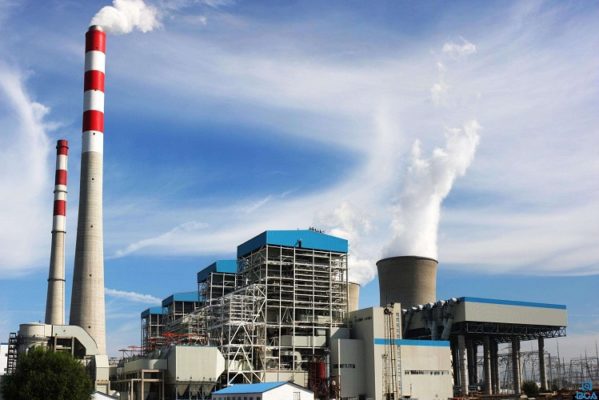
- High-Temperature Environments: Grade 321 is particularly well-suited for applications involving high temperatures, such as exhaust systems, furnace components, and automotive parts.
- Aerospace and Jet Engines: The high-temperature stability and resistance to sensitization make grade 321 suitable for aerospace applications, including jet engine components.
- Heat Exchangers: Grade 321 is used in heat exchangers that operate at elevated temperatures, such as those in the petrochemical and power generation industries.
- Refinery Equipment: It is used in components of refineries, especially those that come into contact with high-temperature gases and liquids.
- Food Processing Equipment: Due to its resistance to sensitization during welding and its corrosion resistance, grade 321 is used in certain food processing equipment where high temperatures are involved.
Applications of 316 Stainless Steel:
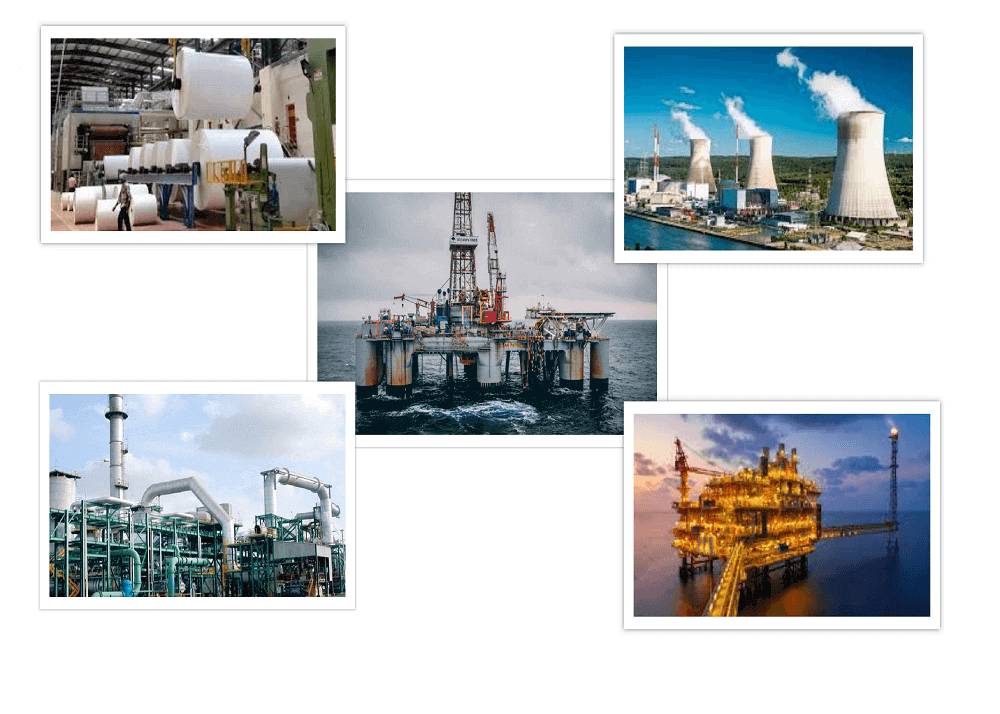
- Marine and Coastal Environments: Grade 316 is widely used in marine applications due to its excellent corrosion resistance, particularly in saltwater environments.
- Chemical Processing: It is employed in chemical and petrochemical industries where resistance to various corrosive chemicals is crucial.
- Medical Equipment: Grade 316 is used in medical devices, implants, and surgical instruments due to its biocompatibility and corrosion resistance.
- Pharmaceutical Industry: It is utilized in pharmaceutical manufacturing equipment where cleanliness and corrosion resistance are essential.
- Food and Beverage Industry: Grade 316 is employed in food processing and beverage production equipment due to its corrosion resistance and ease of cleaning.
- Architecture and Construction: It is used in architectural and structural applications due to its aesthetic appearance, durability, and corrosion resistance.
- Automotive Components: Grade 316 stainless steel is used in various automotive components, such as exhaust systems, trim, and decorative elements.
- Oil and Gas Industry: It finds application in equipment used in oil and gas production, as it can withstand corrosive environments and high pressures.
Both grades have their strengths and weaknesses, so the choice of grade depends on factors such as the specific environment, temperature, corrosion resistance requirements, mechanical properties needed, and other application-specific considerations.
Which Stainless Steel is Better 316 or 321?
The choice between 321 stainless steel and 316 stainless steel depends largely on the specific application and environmental conditions. There is no absolute rule saying which is better.
If you prioritize heat resistance and weld stability, choose 321 stainless steel. If you are concerned about corrosion resistance in chemical or saltwater environments, 316 stainless steel will be a better fit for you.
Contact us to discuss your specific project requirements, and we will help you find the most suitable material.
321 vs 316: How to Choose?
Corrosion environment:
High chloride → 316
Moderate corrosion, high heat → 321
Temperature exposure:
600°C or cyclic heat → 321
< 600°C → 316
Welded structures:
Complex welding, risk of sensitization → 321
Simple welding in chemical/marine → 316 or 316L
Cost consideration:
If corrosion resistance is a priority → 316
If heat and welding stability are priority → 321
We can provide engineering consultation, custom-cut products, MTC certificates, and global delivery for both grades.
Why Choose Huaxiao Metal as Your Stainless Steel Supplier?
Huaxiao Metal has become a trusted global stainless steel supplier thanks to:
15+ years of experience in stainless steel production and export
Wide stock availability for 316, 321, and other grades
Full-quality assurance: MTC 3.1, ISO certified, chemical & mechanical testing
Global logistics network to support timely deliveries
Customization capabilities: cutting, fabrication, polishing, and pre-machining
Competitive pricing without compromising quality
With Huaxiao Metal, clients save time, reduce procurement risk, and receive technical support for selecting the right stainless steel grade for every project.
FAQ about 321 vs 316 Stainless Steel
Can I use 316 instead of 321? And vice versa?
It all depends on the application scenario.
Never use 316 instead of 321: If your application involves operating in the temperature range of 425°C to 850°C, never use 316 instead of 321. Doing so will result in a serious risk of intergranular corrosion, which may cause equipment failure.
321 can be used as a substitute for 316, but it may be cost-prohibitive: 321 can be used as a substitute for 316 in corrosive environments at room or low temperatures, but its high temperature resistance is redundant in such scenarios, which usually means that you pay a higher price for performance that you don’t need.
Which is better in terms of welding performance?
Both have good weldability, but 321 stainless steel has a clear advantage in welding. Due to its titanium stabilization characteristics, it usually does not require heat treatment after welding to restore its corrosion resistance. In contrast, thick-section parts of 316 stainless steel may need to be annealed after welding to eliminate sensitization caused by the weld heat affected zone to ensure its optimal corrosion resistance.
Where can I purchase high-quality 316 and 321 stainless steel?
You have come to the right place! Huaxiao Metal is a professional stainless steel supplier. We provide a variety of grades including 316 and 321. The product forms include stainless steel coils, plates, pipes, etc. to meet your precise project needs.
Is 321 stainless steel more expensive than 316 stainless steel?
This is a common question, and the answer may surprise some people. Although 321 stainless steel is considered a “specialty” grade due to its special high temperature resistance, in most cases, 316 stainless steel costs more than 321 stainless steel.
There are two main reasons:
Expensive Molybdenum: 316 stainless steel contains 2-3% molybdenum, which gives it excellent corrosion resistance, but molybdenum itself is a very expensive metal, which directly increases the cost of the material.
Higher Nickel Content: Typically, the nickel content of 316 grades is also slightly higher than 321. Nickel is another key high-priced element that determines the price of stainless steel.
Therefore, when making a budget, you need to consider that the initial purchase cost of 316 stainless steel may be higher. However, in environments that require high corrosion resistance, this upfront investment is essential to ensure the long-term stability and safety of the project.
What is the maximum operating temperature of 316 stainless steel?
The oxidation resistance of 316 stainless steel can withstand temperatures up to 870°C in intermittent use and up to 925°C in continuous use. However, it should be emphasized that if it is used continuously in the temperature range of 425-850°C, its ability to resist aqueous corrosion will be reduced. This is exactly where 321 stainless steel comes in.
Can 321 replace 316 in marine environments?
Generally no. 321 lacks molybdenum, making it less resistant to chloride-induced corrosion. Use 316 or 316L for seawater applications.
Which stainless steel is more corrosion-resistant?
316 has superior pitting and crevice corrosion resistance due to molybdenum. 321 is better for welded or high-temperature applications, not for aggressive chemical exposure.
In conclusion
In conclusion, the choice between 321 vs 316 stainless steel depends on your application environment, temperature exposure, welding needs, and cost priorities:
Choose 316 for superior corrosion resistance, especially in marine, chemical, and food processing environments.
Choose 321 for high-temperature stability, welded components, and thermal cycling applications.
Both grades are widely available from Huaxiao Metal, with full international certification, competitive pricing, and global delivery. Whether your project involves pipes, sheets, bars, coils, or fabricated components, we can supply the exact stainless steel you need.