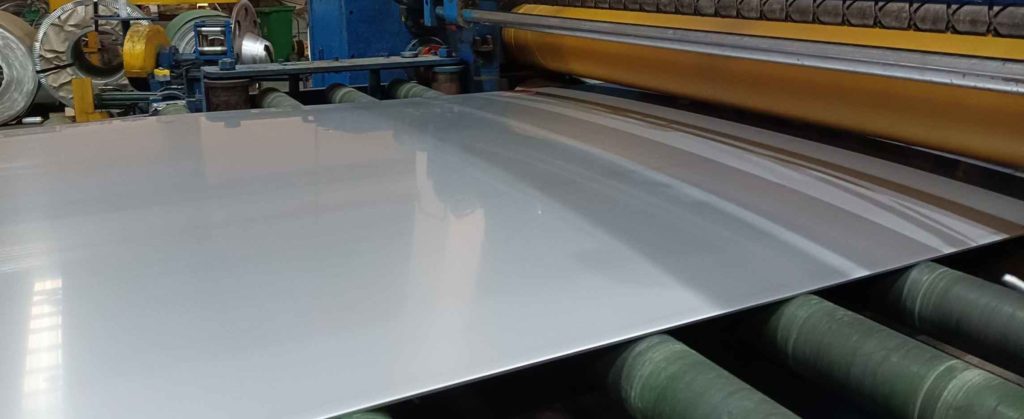
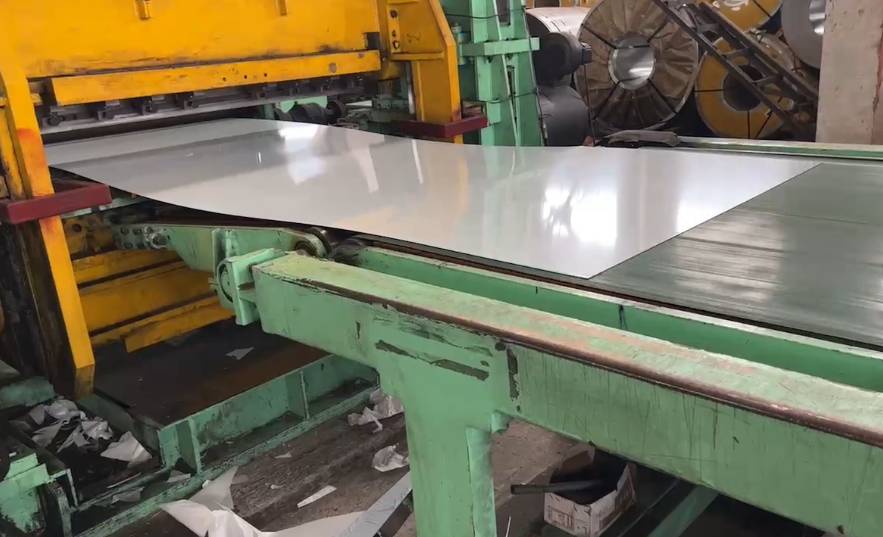
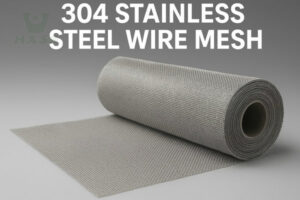
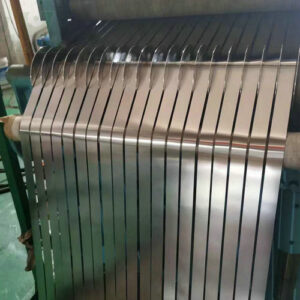
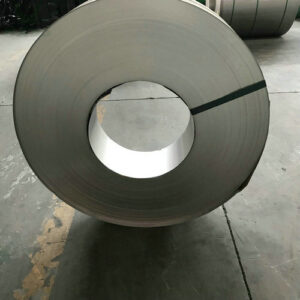
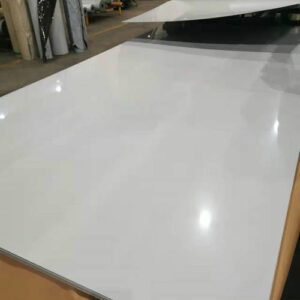
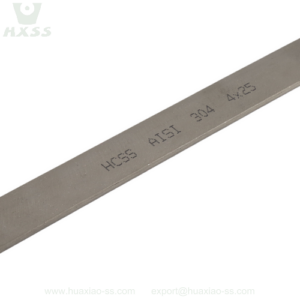
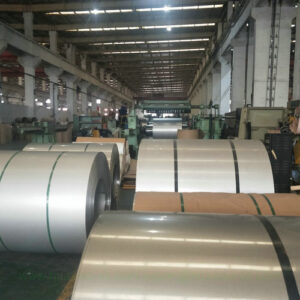
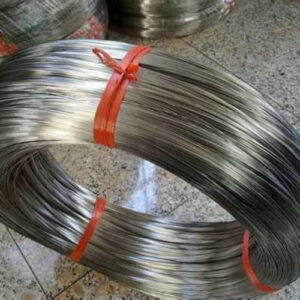
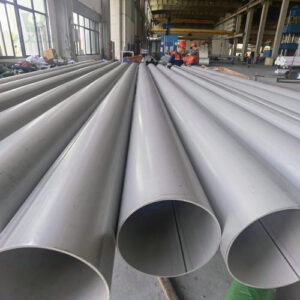
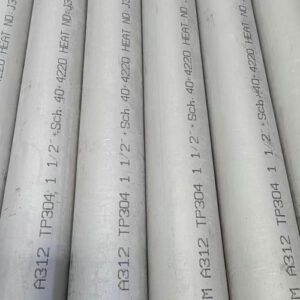
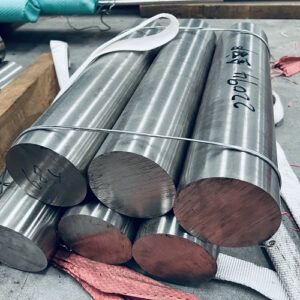
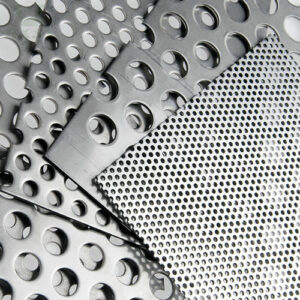
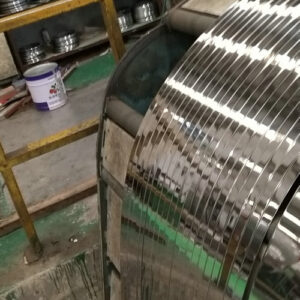
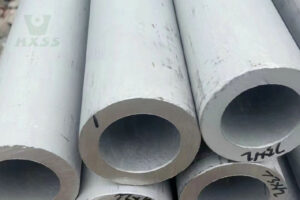
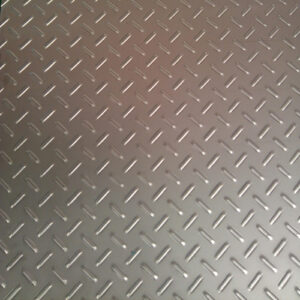
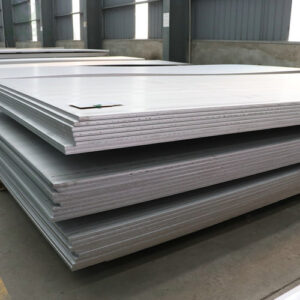
As a global stainless steel supplier, Huaxiao Metal provides both 304 stainless steel and 430 stainless steel in coils, sheets, strips, plates, and customized cut-to-size parts. Many customers ask us:
“Should I choose 304 or 430 stainless steel for my product?”
✔ 304 stainless steel = better corrosion resistance + higher durability
✔ 430 stainless steel = lower cost + magnetic + suitable for indoor use
👉 If your environment is humid or corrosive → choose 304
👉 If cost matters and environment is dry → choose 430
This guide explains the differences, advantages, disadvantages, and recommended applications of 304 vs 430 stainless steel so you can choose the right grade for your manufacturing or sourcing project.
If you need the latest 304 stainless steel price or 430 stainless steel price, feel free to contact Huaxiao Metal anytime.
Overview of 304 and 430 Stainless Steel
304 Stainless Steel (Austenitic)
304 is the most widely used stainless steel worldwide. It contains 18% chromium and 8% nickel, offering excellent corrosion resistance, formability, and toughness.
Category: Austenitic stainless steel
Corrosion resistance: Excellent
Weldability: Excellent
Magnetism: Non-magnetic
Typical uses: Kitchens, food equipment, chemical containers, building decoration, automotive parts
If you need 304 stainless steel sheet, coil, strip, or plate, Huaxiao Metal can supply customized sizes and surface finishes.
430 Stainless Steel (Ferritic)
430 stainless steel contains 17% chromium without nickel, making it more economical than 304 while still offering good corrosion resistance in mild environments.
Category: Ferritic stainless steel
Corrosion resistance: Moderate
Weldability: Good
Magnetism: Strongly magnetic
Typical uses: Home appliances, indoor decoration, automotive trim, kitchen appliances
For cost-sensitive projects, 430 is a popular choice.
Features and Advantages of 304 Stainless Steel
304 stainless steel is a commonly used material with several advantages. It contains 18% chromium and 8% nickel and has excellent corrosion resistance and high-temperature resistance. 304 stainless steel has good heat resistance and is suitable for manufacturing various pressure vessels, pipelines, and chemical equipment. In addition, it also has good processability and weldability and is easy to process into various shapes. Therefore, 304 stainless steel is widely used in the manufacturing and food processing industries.

Features and Advantages of 430 Stainless Steel
430 stainless steel is a low-cost stainless steel material mainly containing iron and chromium. Compared with 304 stainless steel, 430 stainless steel has a lower chromium content, only about 16%. Although 430 stainless steel has poor corrosion and high-temperature resistance, it has good wear and magnetic resistance. Therefore, 430 stainless steel is often used in home appliances, automotive exteriors, and kitchen utensils. Its low cost and ease of maintenance make it an economical and practical choice.

Comparison of 304 vs 430 Stainless Steel
Although both 304 vs 430 stainless steel are stainless, they differ in their corrosion resistance and high-temperature resistance. 304 stainless steel performs better in these aspects and is suitable for use in applications with harsh environmental requirements. On the other hand, 430 stainless steel has poor corrosion resistance and high-temperature resistance, but it has strong wear resistance and magnetic resistance and is suitable for some specific application scenarios.
304 Stainless Steel Application Areas:
1.1 With heat resistance, good processing characteristics, and high flexibility, it is it is widely used in industrial production, and furniture decoration industry, and the food medical industry.
1.2 has very strong corrosion resistance, widely used in the production of equipment and mechanical parts that provide good comprehensive performance (corrosion resistance and molding).
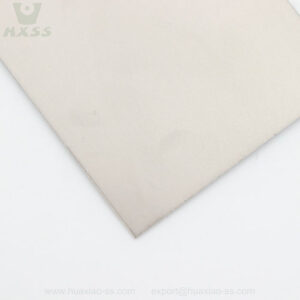
304 Stainless Steel Products
430 Stainless Steel Application Areas:
2.1 Apply to building decoration, fuel burner parts, household appliances, home appliance parts, and other fields.
2.2 Adding easy-cutting performance steel 430F to 430 steel is suitable for automatic lathes, screws, and bolts.
2.3 Add Ti or Nb in 430 steel, reduce C content into 430LX, improve processing characteristics and welding characteristics, welding for hot water tanks, hot water systems, environmental sanitation appliances, household life with the use of appliances, bicycle chains, and so on.
2.4 430 stainless steel is not food grade, 430 is categorized as ferritic stainless steel, magnetic, commonly known as stainless steel, used to do CNC blades and other kitchen utensils are usually used at this stage of the austenitic stainless steel (without magnetic or with micro-magnetic), so 430 stainless steel to do the kitchen utensils is not very safe because 430 stainless steel is corrosion-resistant performance is not good.
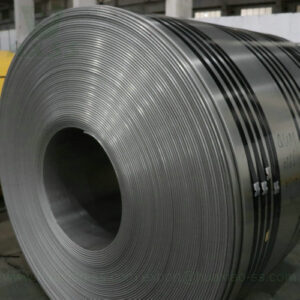
430 Stainless Steel Products
Chemical Composition 304 VS 430 Stainless Steel
| Element | 430 Stainless Steel | 304 Stainless Steel | Description |
|---|---|---|---|
| C | ≤ 0.12% | ≤ 0.08% | 304 has lower carbon content, improving corrosion resistance and toughness. |
| Si | ≤ 1.00% | ≤ 1.00% | Similar silicon content, enhancing strength and oxidation resistance. |
| Mn | ≤ 1.00% | ≤ 2.00% | 304 has higher manganese, contributing to tensile strength and hardness. |
| P | ≤ 0.04% | ≤ 0.045% | 430 has slightly lower phosphorus, reducing brittleness. |
| S | ≤ 0.03% | ≤ 0.03% | Both have similar sulfur content, aiding machinability. |
| Cr | 16.0-18.0% | 18.0-20.0% | 304 has higher chromium, providing superior corrosion resistance. |
| Ni | None or trace (<0.75%) | 8.0-10.5% | 304’s high nickel content offers better corrosion resistance and toughness. |
| Fe | Balance | Balance | Iron is the primary component in both grades. |
Mechanical Properties Comparison
| Property | 304 | 430 |
|---|---|---|
| Tensile Strength | 520 MPa | 450 MPa |
| Yield Strength | 215 MPa | 205 MPa |
| Elongation | 45% | 22% |
| Hardness | 88 HRB | 89 HRB |
| Magnetism | Non-magnetic | Magnetic |
✔ 304 has better toughness, formability, and elongation, ideal for deep drawing and welding parts.
✔ 430 has higher hardness and good anti-fingerprint performance, suitable for appliance panels.
Price: 304 Vs 430 Stainless Steel
430 stainless steel is cheap: because it does not contain nickel and has a simple production process, its market price is generally lower than 304 stainless steel.
304 stainless steel is expensive: because it contains more nickel and chromium, it has excellent corrosion resistance and mechanical properties, and its cost and market price are higher.
If price is the primary consideration and corrosion resistance is not required, it is more economical to choose 430 stainless steel; if you pursue higher performance and durability, 304 stainless steel is a better choice.
Contact us at Huaxiao Metal to get specific 304, 430, or other grades of stainless steel prices and recommendations to help you choose the most suitable stainless steel products!
Corrosion Resistance
304 Stainless Steel – Excellent Resistance
304 performs very well in:
humid environments
coastal/marine atmospheres
food-grade environments
chemical exposure
outdoor constructions
If your application involves water, acids, salts, or chemical cleaning, 304 is the safer choice.
Need corrosion-resistant material? Ask for 304 stainless steel pricing.
430 Stainless Steel – Moderate Resistance
430 resists:
mild environments
indoor applications
dry or non-corrosive surroundings
But it is not recommended for:
coastal areas
constant moisture
strong acids or alkalis
Looking for an economical solution? Request 430 stainless steel stock from Huaxiao Metal.
Heat Resistance Comparison
| Grade | Continuous Service Temperature |
|---|---|
| 304 | Up to 870°C |
| 430 | Up to 815°C |
304 has better high-temperature oxidation resistance.
430 also performs well but at slightly lower temperatures.
Huaxiao Metal can provide heat-resistant 304/430 stainless steel for furnaces, kitchen equipment, heaters, etc.
Stability Performance
430 stainless steel is a ferritic shape, 304 stainless steel is an austenitic shape, and 304 stainless steel is smoother than 430 stainless steel.
Flexibility
304 stainless steel has a very strong flexibility, more flexible than 430 stainless steel.
Heat Transfer Performance
430 stainless steel ferritic than 304 stainless steel austenitic heat transfer performance.
Physical Properties
430 stainless steel added a smooth chemical element titanium, weld part physical properties than 304 stainless steel.
304 stainless steel as long as in line with China’s GB9684 standard certification, the real ability to contact with the food category without causing harm to the human body stainless steel material, attributed to food-grade steel. Formal manufacturers usually use 304 (i.e. 18-8) and 430 (i.e. 18-0) stainless steel to make forks and spoons. 430 is magnetic, while 304 is slightly magnetic. Therefore, when shopping for stainless steel kitchenware, you can easily distinguish 430 stainless steel with a magnet.
304 stainless steel has very strong flexibility and corrosion resistance, in industrial production food medical, and other industries that require corrosion resistance, 304 stainless steel is better. 430 stainless steel has better heat transfer properties and physical properties, construction and decoration, fuel burner parts, household appliances, home appliance parts, and other areas, 430 stainless steel is better.

Which One Should You Choose?
Choose 304 stainless steel if you need:
high corrosion resistance
outdoor usage
food-grade hygiene
welding & deep drawing
long service life
Choose 430 stainless steel if you need:
economic solution
indoor usage
decorative panels
magnetic properties
appliance-grade materials
If you are unsure, Huaxiao Metal’s technical team can help you select the correct grade based on application, environment, and budget.
Why Choose Huaxiao Metal as Your Stainless Steel Supplier?
Huaxiao Metal – Trusted Stainless Steel Supplier & Manufacturer
We provide:
✔ Metal Industry Experience
15+ years
✔ Full Grade Coverage
304, 304L, 430, 410, 409, 420, 316L, 201, 441, etc.
✔ Wide Product Range
Stainless steel coil
Stainless steel sheet & plate
Stainless steel strip
Slit edge materials
Custom-cut sizes
Polished & surface-treated materials
✔ Export Expertise
We supply materials to over 80 countries.
Professional export packaging ensures product safety during shipping.
✔ Real Factory + Strong Inventory
We maintain stable stock of 304 and 430 stainless steel in various thicknesses and widths.
We help customers reduce procurement risks and ensure long-term supply stability.
FAQ: 304 vs 430 Stainless Steel
Is 304 stainless steel better than 430?
Not in every situation.
304 stainless steel has stronger corrosion resistance, better toughness, and excellent weldability, making it suitable for food equipment, outdoor structures, and chemical environments.
430 stainless steel is more economical and performs well in dry, indoor environments such as home appliances.
If you are unsure which grade suits your project, Huaxiao Metal can provide technical comparison and recommend the best option.
Which stainless steel is more resistant to rust?
304 stainless steel has significantly better rust resistance due to its higher nickel content.
430 stainless steel resists rust well in dry indoor conditions but may develop light rust in humid or coastal environments.
For long-term rust protection, request 304 stainless steel sheets or coils from Huaxiao Metal.
Can 430 stainless steel be used in food processing equipment?
Generally not recommended. Due to its poor corrosion resistance, 430 stainless steel may corrode during food processing.
Can 304 stainless steel be used in high-temperature environments?
Yes. 304 stainless steel has excellent high-temperature resistance and is suitable for high-temperature environments.
Which stainless steel is better for kitchen equipment?
Commercial kitchen / high humidity: 304
Home appliances / decorative panels: 430
Food containers / sinks: 304
Oven panels / refrigerator doors: 430
Huaxiao Metal provides 2B, BA, No.4, and mirror finishes for both 304 and 430.
Is there a significant price difference between 304 and 430 stainless steel?
Yes, 304 stainless steel is more expensive due to its nickel content. 430 stainless steel, on the other hand, is nickel-free and therefore relatively cheaper.
Do 304 and 430 require different maintenance?
Yes.
304 requires minimal maintenance due to strong corrosion resistance.
430 requires occasional cleaning and drying to avoid surface rust.
Huaxiao Metal can provide surface options such as anti-fingerprint coating to improve 430’s performance.
In Conclusion: 304 vs 430 Stainless Steel
This article compares the characteristics, performance, and application fields of 304 vs 430 stainless steel. 304 stainless steel has high corrosion resistance and high-temperature resistance, and is suitable for applications with strict requirements; while 430 stainless steel is low-cost, has good wear resistance and magnetic resistance, and is suitable for certain specific scenarios. Depending on specific needs, readers can choose between these two stainless steels to get the most suitable material.
As a reliable global stainless steel supplier, Huaxiao Metal can provide professional material selection advice, competitive pricing, and stable supply for both 304 and 430 stainless steel.
Get a Free Quote Today — Contact Huaxiao Metal