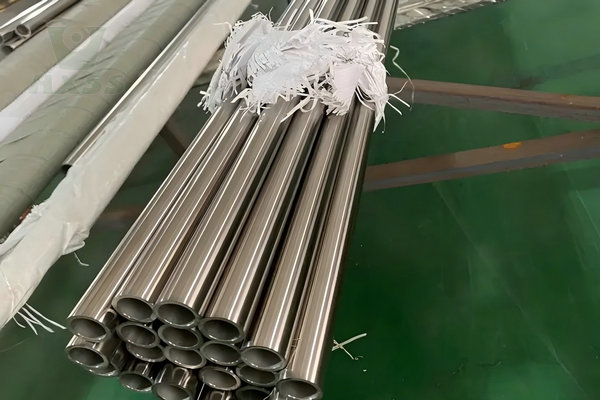
When and Why to Choose Inconel X-750
Selecting the right nickel-based alloy is a critical engineering and procurement decision, especially for components operating under high temperature and sustained stress. Among many available alloys, Inconel X-750 is frequently specified—but not always fully understood.
This article explains when Inconel X-750 is the right material choice, how it differs from other nickel alloys, and what engineers and buyers should consider before sourcing.
What Makes Inconel X-750 Different from Other Nickel Alloys?
Inconel X-750 Alloy is a precipitation-hardened nickel-chromium alloy designed for applications requiring long-term mechanical stability rather than short-term peak strength.
Its defining characteristic is excellent stress-relaxation resistance, especially at elevated temperatures. This makes it particularly suitable for components that must maintain force, shape, or preload over time.
Unlike alloys optimized primarily for corrosion resistance or ultimate tensile strength, Inconel X-750 offers a balanced performance profile for cyclic thermal and mechanical environments.
Typical Scenarios Where Inconel X-750 Is the Right Choice
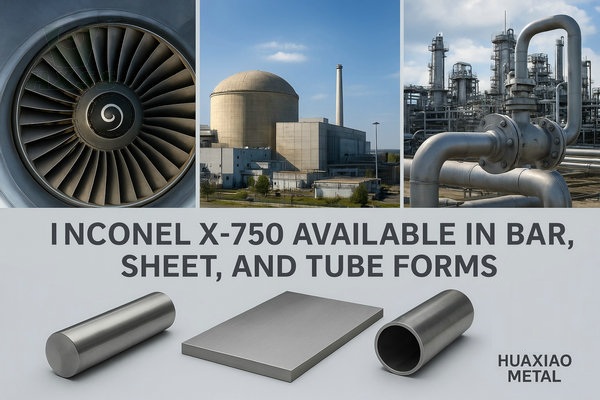
Inconel X-750 is commonly selected when component reliability over time is more important than maximum strength values.
Typical scenarios include:
High-temperature springs that must maintain load
Fasteners exposed to cyclic thermal expansion
Retaining rings and clamps operating near heat sources
Components subject to long-term vibration and fatigue
Assemblies where relaxation or creep could cause system failure
In these cases, material stability is often more critical than initial mechanical performance.
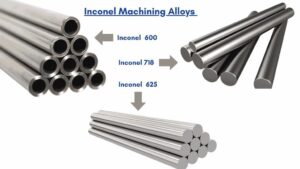
Inconel X-750 vs Inconel 718 vs Inconel 625
Engineers frequently compare Inconel X-750 with other common nickel alloys. Understanding their differences helps avoid material overspecification or misapplication.
| Alloy | Key Strength | Typical Focus |
|---|---|---|
| Inconel X-750 | Stress relaxation resistance | Springs, fasteners |
| Inconel 718 | High tensile strength | Structural components |
| Inconel 625 | Corrosion resistance | Chemical environments |
Inconel X-750 is not a universal replacement, but it excels in applications where dimensional and load stability over time is critical.
Heat Treatment: A Critical Factor for Inconel X-750 Performance
The performance of Inconel X-750 depends heavily on proper heat treatment, including solution treatment and aging.
Different heat treatment conditions can significantly influence:
Strength level
Fatigue performance
Stress relaxation behavior
For this reason, Inconel X-750 should always be sourced with clear heat treatment documentation and application-aligned material condition.
Common Misunderstandings About Inconel X-750
Despite its popularity, Inconel X-750 is sometimes misapplied. Common misunderstandings include:
Assuming higher strength always means better performance
Using X-750 where corrosion resistance is the primary requirement
Ignoring heat treatment condition during procurement
Selecting X-750 when simpler alloys could meet the requirement
A correct material decision should always consider service environment, stress type, and lifecycle expectations.
Engineering Considerations Before Sourcing Inconel X-750
Before placing an order, engineers and buyers should clarify:
Operating temperature range
Type of stress (static, cyclic, preload retention)
Component geometry and tolerance
Required standards and certifications
Inspection and documentation needs
These factors directly influence material condition, specification, and total project cost.
How This Impacts Procurement Decisions
From a procurement perspective, Inconel X-750 is typically chosen for high-value or safety-critical components, where material reliability outweighs initial cost considerations.
Sourcing from a supplier experienced in nickel-based alloy applications helps reduce:
Specification errors
Delivery delays
Quality risks
For buyers evaluating suppliers and specifications, understanding the application logic behind Inconel X-750 is just as important as knowing its basic properties.
How This Impacts Procurement Decisions
From a procurement perspective, Inconel X-750 is typically chosen for high-value or safety-critical components, where material reliability outweighs initial cost considerations.
Sourcing from a supplier experienced in nickel-based alloy applications helps reduce:
Specification errors
Delivery delays
Quality risks
For buyers evaluating suppliers and specifications, understanding the application logic behind Inconel X-750 is just as important as knowing its basic properties.
In Conclusion
Inconel X-750 remains a trusted alloy for applications where long-term mechanical stability under heat and stress is essential. Understanding when and why to choose it helps engineers and procurement teams make informed, cost-effective decisions.
For complex projects, material selection should always be supported by technical understanding and reliable supply capability.