Carbon steel is one of the most widely used materials in industries around the world. Known for its strength, versatility, and cost-effectiveness, carbon steel is essential for construction, machinery, automotive, mining, and manufacturing applications. Huaxiao Metal supplies high-quality carbon steel in bars, tubes, sheets, plates, and custom-processed components, adhering to international standards like GB, ASTM, EN, and JIS, with fast delivery and professional technical support.
Contact Huaxiao Metal today to request stock availability, quotations, or technical guidance for carbon steel products.
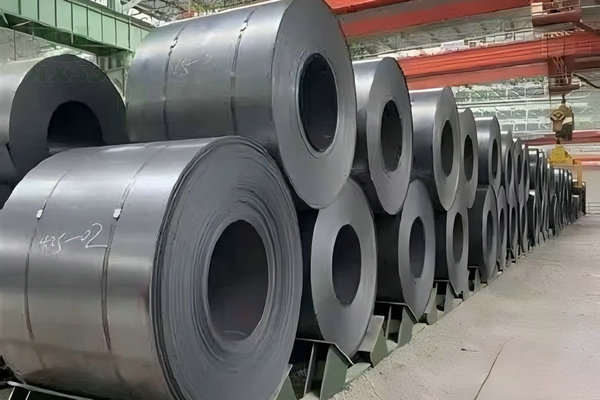
What is Carbon Steel?
Carbon steel is an alloy of iron and carbon, typically containing 0.05% to 2.0% carbon, sometimes combined with small amounts of manganese, silicon, and other elements. It is valued for its:
High tensile strength and hardness
Excellent wear resistance
Machinability and weldability (depending on grade)
Cost-effectiveness compared to stainless steel and alloyed metals
This combination of properties makes carbon steel a versatile material for a wide range of industrial applications, from construction to precision machinery.
Types of Carbon Steel
Low Carbon Steel (Mild Steel)
Carbon content: 0.05–0.25%
- Example Grades: Q235, 08Mn, SS400
Mechanical properties: Soft, ductile, easy to form and weld
Common applications: Structural steel, pipelines, automotive panels, machinery parts
Medium Carbon Steel
Carbon content: 0.25–0.60%
- Example Grades: 45#, 1045, C45
Mechanical properties: Balanced strength and ductility, can be heat-treated
Common applications: Shafts, axles, rails, mechanical parts
High Carbon Steel
Carbon content: 0.60–1.0%
- Example Grades: 1095, 1050, 1080
Mechanical properties: Very strong and hard, less ductile, excellent wear resistance
Common applications: Cutting tools, springs, wear-resistant components
Alloy and Special Performance Carbon Steel
Includes: Wear-resistant steel (NM400, NM450, NM500), heat-resistant steel (15CrMoG, T22, T91), precision carbon steel
Mechanical properties: Designed for high abrasion, high temperature, or tight dimensional tolerances
Common applications: Heavy machinery, mining equipment, boilers, high-precision industrial parts
Properties of Carbon Steel
| Property | Low Carbon Steel | Medium Carbon Steel | High Carbon Steel | Wear/Heat-Resistant Steel |
|---|---|---|---|---|
| Carbon Content (%) | 0.05–0.25 | 0.25–0.60 | 0.60–1.0 | 0.3–0.5 + alloying |
| Tensile Strength (MPa) | 370–500 | 550–700 | 600–900 | 600–1200 |
| Hardness (HB) | 120–180 | 170–230 | 300–650 | 360–550 |
| Ductility | High | Medium | Low | Moderate |
| Wear Resistance | Low | Medium | High | Very High |
| Heat Resistance | Low | Medium | Medium | High (up to 600°C) |
| Weldability | Excellent | Good | Limited | Controlled welding required |
| Machinability | Excellent | Good | Moderate | Good (precision machining possible) |
Chemical Composition (Typical):
Iron (Fe): 98–99%
Carbon (C): 0.05–2.0%
Manganese (Mn): 0.3–1.0%
Silicon (Si): 0.1–0.3%
Sulfur (S) & Phosphorus (P): <0.05%
Manufacturing & Processing
The manufacturing and processing of carbon steel determine its mechanical properties, surface quality, and suitability for various applications. At Huaxiao Metal, we supply carbon steel in a variety of forms, including bars, tubes, sheets, plates, and custom components. Understanding the production techniques and processing options is essential for selecting the right grade for your project.
1. Production of Carbon Steel
Carbon steel starts with iron ore refinement, combined with precise amounts of carbon and alloying elements. The material is then processed through:
Blast Furnace or Electric Arc Furnace: To convert raw iron into molten steel
Refining: Adjusting carbon content and removing impurities
Casting: Producing semi-finished products such as billets, blooms, or slabs
These steps determine the base chemical composition, microstructure, and tensile strength of the steel.
2. Rolling Processes
Rolling shapes the semi-finished steel into usable forms:
Hot Rolling: Steel is heated above its recrystallization temperature and rolled into sheets, plates, or bars. Hot rolling improves ductility and toughness but may leave a rough surface.
Cold Rolling: Performed at room temperature to create precise thickness, smooth surface finish, and better dimensional tolerance. Cold-rolled steel is ideal for automotive panels, precision machinery, and industrial components.
3. Forging and Shaping
Forging involves mechanically shaping heated steel using hammers or presses:
Improves grain structure, leading to higher strength and durability
Common for shafts, gears, and wear-resistant components
Can be combined with heat treatment to enhance hardness and impact resistance
4. Heat Treatment
Heat treatment adjusts mechanical properties to meet specific requirements:
Annealing: Softens steel, increases ductility, and relieves internal stress
Quenching: Rapid cooling to increase hardness and wear resistance
Tempering: Reduces brittleness while maintaining hardness, especially in high-carbon or NM-series wear-resistant steel
Heat treatment is essential for precision components, cutting tools, and heat-resistant applications.
5. Machining and Fabrication
After shaping, steel components may undergo:
CNC Machining: Precision cutting, drilling, milling for industrial parts
Laser Cutting: Accurate and clean cuts for sheets and plates
Bending & Forming: Creating specific shapes for construction, automotive, and machinery applications
Welding: Low and medium carbon steels weld easily; high-carbon and wear-resistant grades require controlled preheating and post-weld treatment
6. Surface Treatment & Finishing
Surface treatment ensures corrosion protection, smoothness, and aesthetic quality:
Polishing & Grinding: Produces smooth, uniform surfaces for precision applications
Coatings (Paint, Galvanization, or Powder Coating): Enhance corrosion resistance, particularly for low-carbon structural steels
Heat-resistant Coatings: Applied to furnace tubes, boiler components, and high-temperature equipment
7. Quality Control & Inspection
At every stage, strict quality control ensures the steel meets mechanical, chemical, and dimensional standards:
Chemical composition analysis
Tensile and hardness testing
Surface inspection for defects
Dimensional checks and tolerances
Huaxiao Metal provides certified quality reports and ensures each batch meets GB, ASTM, EN, or JIS standards.
For precision carbon steel, wear-resistant steel, or heat-resistant steel processed to your exact specifications, contact Huaxiao Metal for consultation and quotations.
Comparative Advantages & Limitations
Advantages of Carbon Steel
High strength and hardness
Excellent wear resistance in NM-series steels
Cost-effective and widely available
Machinable and formable (low/medium grades)
Can be heat-treated to enhance mechanical properties
Disadvantages of Carbon Steel
Susceptible to rust and corrosion if uncoated
Low ductility and toughness in high-carbon grades
Limited high-temperature performance for standard carbon steels
Requires careful heat treatment and controlled welding for wear-resistant grades
Not ideal for certain medical or corrosive environments without protective treatment
Applications
Industrial & Machinery Applications
Products: Shafts, gears, rollers, pins, structural components
Grades Used: Medium carbon (45#, 1045), wear-resistant (NM400/NM450)
Benefits:
High load-bearing capacity
Excellent wear and fatigue resistance for continuous operation
Examples: CNC machine components, conveyor rollers, industrial gears
Construction & Infrastructure
Products: Beams, plates, sheets, pipelines
Grades Used: Low carbon steel (Q235, SS400), medium carbon for load-bearing parts
Benefits:
High ductility for forming structural elements
Cost-effective alternative to alloy steels for large-scale projects
Examples: Bridges, building frames, pipelines, industrial halls
Automotive Applications
Products: Axles, suspension components, chassis, crankshafts
Grades Used: Medium and high carbon steel (1045, 1095), precision carbon steel
Benefits:
Ensures vehicle safety and durability
High wear resistance for moving parts
Examples: Gear shafts, suspension arms, automotive frames
Mining & Heavy Equipment
Products: Excavator buckets, crushers, feeders, conveyor parts
Grades Used: Wear-resistant steels NM400, NM450, NM500
Benefits:
Extreme abrasion resistance for harsh mining conditions
High impact resistance reduces downtime and maintenance
Examples: Mining shovels, crusher plates, bucket liners
Petrochemical & Power Generation
Products: Boiler tubes, pressure vessels, high-temperature pipes
Grades Used: Heat-resistant steels 15CrMoG, T22, T91
Benefits:
Maintains mechanical properties at high temperature
Resistant to creep and thermal fatigue
Examples: Power plant boilers, chemical reactors, refinery piping
Medical Applications
Products: Surgical tools, medical equipment
Grades Used: Low-carbon steel with protective coatings
Benefits:
High strength and precise machinability
Safe for non-implant applications
Notes:
Not suitable for implants due to corrosion risk
Stainless steel is preferred for surgical implants
Food Industry Applications
Products: Packaging, containers, utensils
Grades Used: Low-carbon, coated steel
Benefits:
Corrosion-resistant with proper coatings
Safe for contact with food
Examples: Food cans, industrial containers, kitchen utensils
Precision Engineering Applications
Products: Precision bars, tubes, sheets for machinery
Grades Used: Precision carbon steel, NM-series
Benefits:
Tight tolerances and smooth surfaces
Suitable for CNC, laser cutting, and high-precision machining
Examples: Automotive transmission components, machine tool parts, measuring instruments
Recycling and Sustainability
Carbon steel is 100% recyclable without loss of quality
Supports circular economy and reduces environmental footprint
Choosing the Right Carbon Steel Grade
Consider Carbon Content: Low, medium, high, ultra-high, alloyed
Based on Application: Wear resistance, heat resistance, precision machining, structural strength
Technical Support: Huaxiao Metal guides on selecting the ideal carbon steel grade for performance and cost
Contact Huaxiao Metal for custom grade recommendations, stock availability, or processing solutions.
Carbon Steel Products Offered by Huaxiao Metal
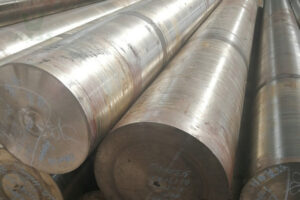
Bars: Round, square, hex, flat (precision and standard)
Tubes: Seamless and welded, low/medium/high carbon, wear-resistant
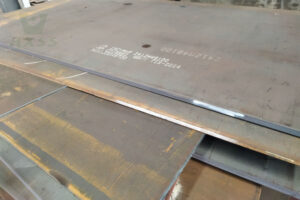
Sheets & Plates: Hot-rolled, cold-rolled, heat-resistant
Special Grades: NM400/NM450/NM500, 15CrMoG, T22, T91
Services: Cutting, bending, welding, machining, polishing
Contact Huaxiao Metal for pricing, stock availability, or custom processing solutions.
FAQ
Is high-carbon steel strong?
Yes, high-carbon steel has excellent strength and wear resistance but lower ductility.
Can carbon steel be welded?
Low and medium carbon steels weld easily; high carbon and wear-resistant grades require controlled heating.
Does carbon steel have better wear resistance than 7075 aluminum?
Yes, especially NM-series wear-resistant steels, ideal for heavy-duty machinery.
Is carbon steel more corrosion-resistant than M2 tool steel?
Not inherently; surface treatments or coatings are needed for corrosion protection.
How does carbon steel affect product durability?
Correct grade selection ensures longevity, while improper selection may cause premature failure.
Is carbon steel cost-effective compared to titanium?
Yes, carbon steel is far more economical while offering sufficient strength for most applications.
In Conclusion
Carbon steel is a versatile, durable, and cost-effective material used across multiple industries. Understanding its types, properties, advantages, disadvantages, and applications is essential for engineers, fabricators, and purchasing managers.
Huaxiao Metal offers high-quality carbon steel bars, tubes, sheets, and custom solutions worldwide. Contact us today for technical support, stock inquiry, or quotations.