Call Us Today! +86-13761906384

Stainless Steel 309 vs 304: Differences, Properties, Uses & Price | Huaxiao Metal

When it comes to selecting the right stainless steel for a particular application, understanding the nuances between different grades is crucial. Among the various types available, two popular choices are Stainless Steel 309 vs 304. Both have their unique properties and are favored for specific applications. Understanding the differences between these two stainless steel grades can make a significant impact on the success of any project or application.

The main difference between 304 and 309 stainless steel lies in their heat resistance. 304 is an industry-standard general-purpose corrosion-resistant steel with a maximum temperature resistance of 800°C; while 309 (and 309S) is a high-alloy heat-resistant steel designed to withstand sustained high temperatures up to 1000°C (1832°F). 309 contains significantly higher levels of chromium (22-24%) and nickel (12-15%), giving it superior oxidation resistance in extreme high-temperature environments.

Stainless Steel 309 vs 304 – What’s the Difference

👉 Need 304 or 309 stainless steel plates, coils, or pipes? Contact Huaxiao Metal for a fast quotation.

Grade 304 Stainless Steel

Starting with 304 stainless steel, it is one of the most commonly used and versatile grades of stainless steel. It is known for its excellent corrosion resistance, good weldability, and formability, making it an ideal choice for a wide range of applications, including household appliances, food processing equipment, and architectural trim. This austenitic stainless steel is composed of 18% chromium and 8% nickel, giving it a high level of corrosion resistance and durability. Additionally, it is known for its aesthetic appeal, making it a preferred choice for applications where appearance matters.
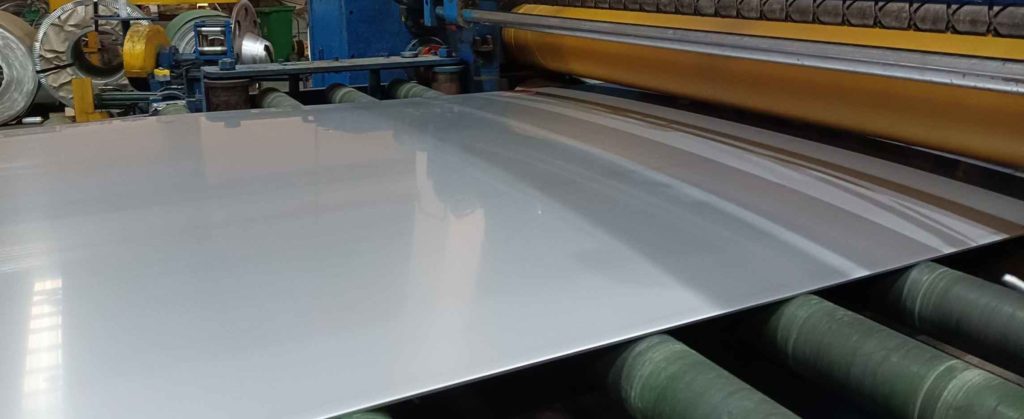
304 2b stainless steel sheet
Huaxiao is one of 304 2b stainless steel sheet suppliers in China.

👉 Looking for 304 stainless steel sheet, coil, or pipe? Request a quote from Huaxiao Metal today.

Grade 309 Stainless Steel

On the other hand, 309 stainless steel is a heat-resistant austenitic alloy that is designed for high-temperature applications. It contains a higher percentage of chromium and nickel than 304 stainless steel, along with a significant amount of iron. This composition gives it superior resistance to oxidation at high temperatures, making it suitable for use in environments where the material will be exposed to elevated temperatures, such as in furnace parts, heat exchangers, and high-temperature containers. Additionally, 309 stainless steel offers good corrosion resistance and strength at high temperatures, making it a preferred choice in certain industrial settings.
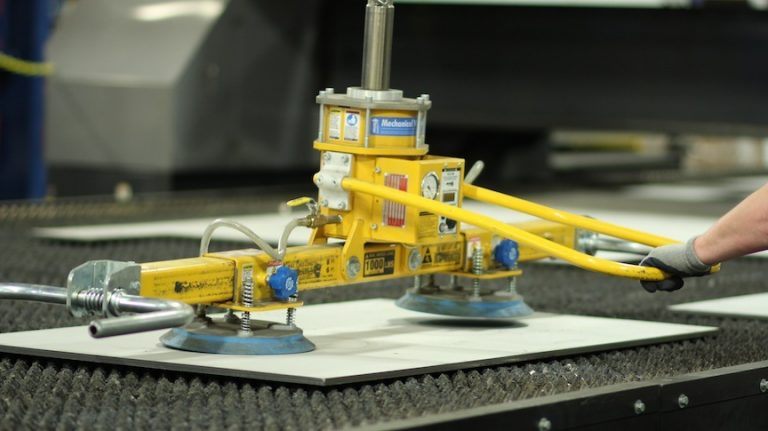
309 stainless steel plate

👉 Need high-temperature stainless steel (309)? Huaxiao Metal supplies high-quality materials with fast delivery.
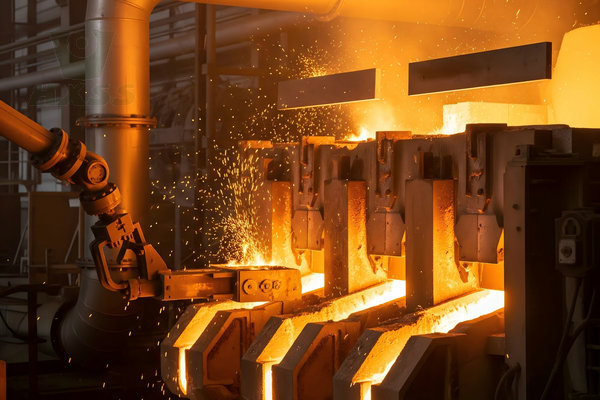
Stainless Steel 309 vs 304 – What’s the Difference

As a professional stainless steel manufacturer with 15+ years of experience, Huaxiao Metal provides 309/309S and 304 materials that strictly comply with ASTM A240 and ASME boiler standards.

304 and 309 are both popular grades of stainless steel, each with its unique properties and applications. Understanding the differences between these two grades is essential in selecting the appropriate material for specific projects. Here’s a breakdown of the key distinctions between 304 and 309 stainless steel:

Property304 Stainless Steel309 Stainless Steel
Key AdvantagesVersatile, corrosion-resistant, economicalExcellent high-temperature resistance
Chemical Composition~18% Chromium, ~8% Nickel~23% Chromium, ~13% Nickel
Max Operating Temp~870°C intermittent, ~925°C continuous~980°C intermittent, ~1090°C continuous
Corrosion ResistanceGoodExcellent (due to higher Cr and Ni content)
CostRelatively lowRelatively high
Core ApplicationsFood processing, kitchenware, architectural decorFurnace parts, kiln linings, heat treatment equipment

Key takeaway: 309 has better heat resistance and strength at elevated temperatures, while 304 offers better overall corrosion resistance and lower cost for general use.

Stainless Steel 309 vs 304 Chemical Composition:

Element (%)304 Stainless Steel309/309S Stainless Steel
Chromium (Cr)18.0 – 20.022.0 – 24.0
Nickel (Ni)8.0 – 10.512.0 – 15.0
Carbon (C) Max0.080.20 (309) / 0.08 (309S)
Manganese (Mn)2.02.0

1. 304 Stainless Steel: This austenitic stainless steel grade contains around 18% chromium and 8% nickel. It may also contain small amounts of carbon, manganese, silicon, and other elements. The presence of nickel gives 304 stainless steel its corrosion resistance and makes it suitable for various general-purpose applications.

2. 309 Stainless Steel: Compared to 304, 309 stainless steel contains a higher percentage of chromium and nickel, typically around 23% chromium and 13% nickel. Additionally, it has a higher amount of iron. The increased levels of chromium and nickel contribute to its superior resistance to high temperatures and oxidation, making it ideal for applications requiring heat resistance and corrosion resistance in elevated temperature environments.

Stainless Steel 309 vs 304 Physical Properties:

1. Corrosion Resistance: Both 304 and 309 stainless steel offer excellent corrosion resistance, but 309 stainless steel provides better resistance to oxidation at high temperatures, making it more suitable for applications in furnace parts, heat exchangers, and other high-temperature environments.

2. Strength and Hardness: 309 stainless steel exhibits higher strength and hardness compared to 304 stainless steel. This attribute makes it a preferred choice for applications where increased strength is necessary, especially in high-temperature settings.

Temperature Resistance

  • 304: Suitable for normal and moderately high temperatures
  • 309: Designed for extreme heat conditions

👉 If your application involves furnaces or high heat exposure, 309 is the better choice.

Corrosion Resistance

  • 304: Excellent for most environments, including food and mild chemicals
  • 309: Performs better in oxidizing and high-temperature environments

Stainless Steel 309 vs 304 Applications:

Best Uses for 304 Stainless Steel (General Purpose):

  • Food & Beverage: Commercial kitchenware, brewing vats, and milk processing.

  • Architecture: Outdoor railings, decorative cladding, and elevator panels.

  • Medical: Surgical tools and laboratory equipment.

  • Consumer Goods: Appliances and automotive trim.

Best Uses for 309/309S Stainless Steel (Heat-Intensive):

  • Industrial Furnaces: Furnace liners, burner components, and fan housings.

  • Power Generation: Boiler baffles and coal-fired power plant components.

  • Petrochemical: Catalytic cracker systems and heater tube supports.

  • Waste Treatment: Incinerators and exhaust manifolds for heavy machinery.

309, 309S, and 309H stainless steels Typical Applications

Stainless Steel 309 vs 304 Price Comparison:

309 stainless steel is generally more expensive than 304 stainless steel. The higher nickel and chromium content, as well as its special properties for high-temperature applications, result in its relatively high production costs. Enhanced oxidation resistance at high temperatures adds to its value, making it a first choice in industries where high-temperature performance is critical. Therefore, 309 stainless steel tends to fall in the higher price range of the stainless steel market.

When choosing between 304 and 309 stainless steel, the specific requirements of the project must be considered, including budget, intended application, and the necessary properties of the stainless steel. Balancing performance needs with cost considerations helps make informed decisions that fit within project requirements and budget constraints.

👉 For the latest price of 304 or 309 stainless steel, contact Huaxiao Metal for a fast and accurate quotation.

When to Choose 304 vs 309

Choose 304 Stainless Steel if:

✔ Your priority is general corrosion resistance
✔ You need excellent formability and weldability
✔ Cost efficiency is important
✔ Your application operates at normal to moderately elevated temperatures

Choose 309 Stainless Steel if:

✔ Your application involves high-temperature environments
✔ Oxidation resistance at elevated temperatures is required
✔ You need higher strength at heat exposure

Use this simple decision guide:

  • Temperature < 600°C → Choose 304
  • Temperature > 800°C → Choose 309
  • Cost-sensitive project → Choose 304
  • High-performance heat environment → Choose 309

👉 Still unsure? Huaxiao Metal can recommend the most suitable material for your project.

Why choose 309 for high-temperature engineering projects?

Superior Oxidation Resistance:

At high temperatures, metals react with oxygen to form an oxide scale. The high chromium content in 309 stainless steel forms a dense and stable oxide layer, effectively preventing further oxygen penetration. In environments above 850°C, the oxide layer of 304 stainless steel begins to peel, causing rapid thinning and eventual failure, while 309 stainless steel maintains its structural integrity.

309 vs. 309S: The Importance of Low Carbon:

For applications involving welding, Huaxiao Metal recommends using 309S. The “S” represents a lower carbon content, which prevents carbide precipitation in the heat-affected zone during welding, thus maintaining the material’s corrosion resistance in the welded state.

FAQ — Stainless Steel 309 vs 304

Yes, 309 stainless steel is generally much more expensive than 304 stainless steel. This is mainly because it contains a higher proportion of precious alloying elements, especially nickel and chromium. These elements give 309 excellent heat resistance, but also significantly increase its production cost.

Yes. In fact, 309 stainless steel is often used as a filler metal (electrode/wire) to weld dissimilar steels, including welding 304 stainless steel to carbon steel. Its neutral chemistry helps prevent cracking in the weld joint, so welding 304 to 309 is a common and reliable operation.

In the annealed state, both 304 and 309 are austenitic stainless steels and are non-magnetic. However, after cold working (such as bending, stretching), 304 stainless steel may become slightly magnetic. In contrast, 309, due to its higher nickel content, usually remains non-magnetic even after cold working.

The most important limiting factor is cost. Using 309 in an application where only 304 performance is needed is an uneconomical “over-design”. It’s like using a racing car to buy groceries – it’s feasible, but it’s completely unnecessary. 304 provides the best balance of performance and cost for most standard applications, while 309 is a specialized material used in specific high-temperature environments.

Not universally. 309 is better for high-temperature and oxidation resistance, while 304 is better for general corrosion resistance and cost-effectiveness.

Theoretically, yes, as 309 generally has better corrosion resistance than 304. However, from a cost perspective, 309 contains more nickel and chromium, making it significantly more expensive. Unless your application environment temperature exceeds 800°C, replacing 304 with 309 would be a serious waste of resources.

Their mechanical properties at room temperature are very similar. The real advantage of 309 lies in its high-temperature creep strength—that is, it can withstand loads even when heated without easily deforming or breaking.

  • 304: Better in normal environments
  • 309: Better in high-temperature oxidation conditions

You can directly contact Huaxiao Metal for:

  • Stainless steel sheets, coils, pipes, and bars
  • Custom sizes and cutting
  • Competitive global pricing
  • Fast delivery support

In Conclusion

In conclusion, both 309 and 304 stainless steel have their distinct advantages and applications. While 304 stainless steel is versatile and commonly used in various industries, 309 stainless steel is specifically designed for high-temperature applications where oxidation resistance is crucial. Understanding the specific requirements of a project or application is essential in determining which stainless steel grade is most suitable. Whether it’s for general purposes or high-temperature environments, choosing the right stainless steel grade can ensure optimal performance and longevity for the intended application.

At Huaxiao Metal, we not only provide high-quality 304 and 309 stainless steel plates, coils and tubes, but more importantly, we provide professional knowledge and experience to help you find the most suitable and cost-effective materials for each project.

Ready to start your next project? Whether you need standard-sized 304 steel plates or customized 309 heat-resistant parts, we can meet your needs.

Facebook
Twitter
LinkedIn
Pinterest
Reddit

Table of Contents

We will answer your email in 24 hours!

Related Posts

Request a Quote

Fill out the form below, and we will be in touch shortly.