The surface quality of stainless steel plays a decisive role in both appearance and performance. Whether it is a stainless steel sheet, coil, or pipe, the surface condition directly affects corrosion resistance, mechanical properties, and market value. At Huaxiao Metal, we understand that surface treatment is not just about aesthetics — it is about ensuring long-term durability, cleanliness, and customer satisfaction.
This article provides a comprehensive guide to stainless steel surface processes, passive film protection, cleaning and maintenance, and common surface defects. It combines our technical expertise with real production experience to help customers choose and maintain the right stainless steel products for their applications.
What Is Stainless Steel Surface Treatment?
Stainless steel surface treatment refers to various mechanical, chemical, or electrochemical methods used to improve surface finish, texture, and corrosion resistance. The process depends on the intended use — from decorative panels to industrial-grade materials.
Common Surface Finishes
Below are the most common stainless steel surface finishes provided by Huaxiao Metal:
| Surface Finish | Process Method | Appearance | Typical Application |
|---|---|---|---|
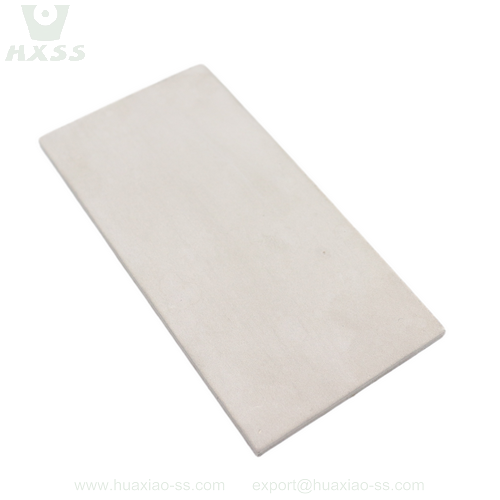
| No.1 | Hot rolled, annealed, pickled | Rough, matte | Pressure vessels, heat exchangers |
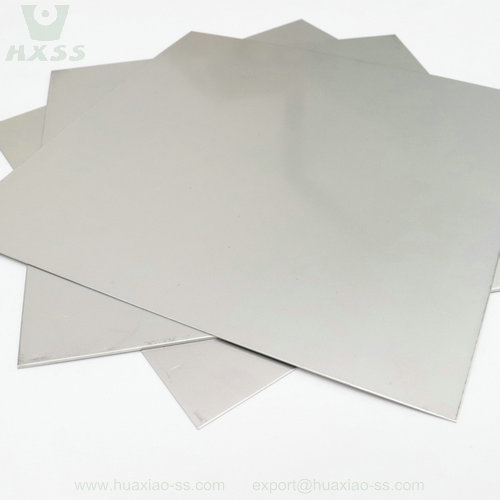
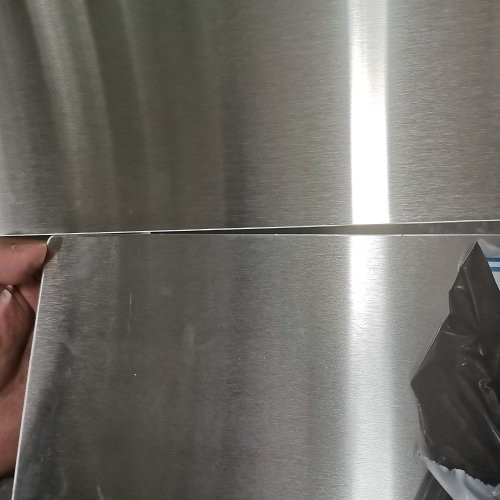
| 2B | Cold rolled, annealed, pickled, light rolled | Smooth, slightly reflective | General industry, chemical equipment |
| BA (Bright Annealed) | Cold rolled, bright annealed | Highly reflective, glossy | Decorative panels, kitchenware |
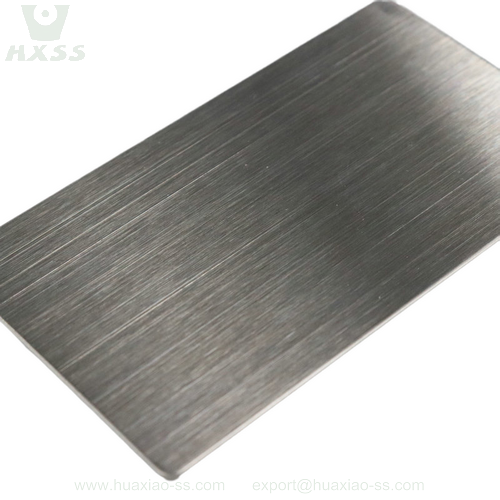
| No.4 / Hairline | Polished with an abrasive belt | Linear satin pattern | Architecture, elevators |
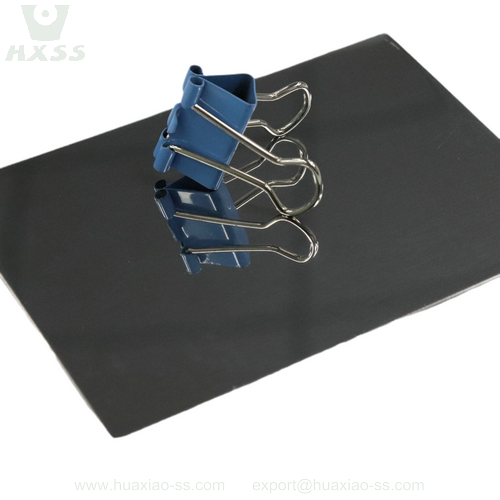
| Mirror (8K) | Multi-stage polishing | Mirror-like gloss | Decorative interior, luxury projects |
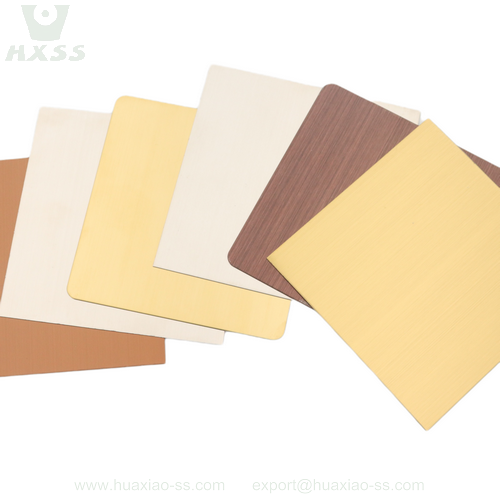
| Colored Stainless Steel | Chemical or PVD coating | Gold, bronze, black, etc. | Building facades, design elements |
Huaxiao Metal offers custom surface processing for stainless steel sheets and coils, including brushed, embossed, PVD-coated, etched, and mirror-polished finishes, all meeting international standards such as ASTM, EN, and JIS.
Looking for high-quality stainless steel surface finishes for architectural or industrial use?
The Importance of the Passive Film on Stainless Steel Surfaces
The corrosion resistance of stainless steel comes from a thin passive film — a dense layer of chromium oxide (Cr₂O₃) that forms naturally on the surface. This film protects the underlying metal from oxidation and corrosion.
How the Passive Film Works
When exposed to oxygen, stainless steel forms a self-healing layer that prevents further corrosion. However, this film can be damaged by:
Chloride ions (from seawater or cleaning agents)
High temperatures or acidic conditions
Mechanical abrasion or embedded particles
Surface contamination during manufacturing
Once damaged, corrosion begins under the film, resulting in pitting, discoloration, or rust stains.
Factors Affecting the Passive Film
Several environmental and metallurgical factors influence passive film quality:
Alloy composition: Higher chromium, nickel, and molybdenum contents improve corrosion resistance.
Surface roughness: Smooth surfaces encourage a more uniform passive layer.
Cleaning and passivation: Proper pickling and passivation processes enhance protective film stability.
Temperature and humidity: Extreme conditions may accelerate film breakdown.
Huaxiao Metal uses advanced pickling and passivation lines to ensure every sheet and coil has a uniform, stable protective film before shipment.
Cleaning and Maintenance of Stainless Steel Surfaces
Even though stainless steel resists corrosion, improper cleaning or exposure to contaminants can lead to deterioration.
Common Surface Contaminants
Iron particles and welding residue
Oil, grease, fingerprints
Dust and cement from construction
Acidic or alkaline chemical exposure
Recommended Cleaning Methods
To maintain durability and aesthetic appeal, Huaxiao Metal suggests the following maintenance practices:
| Contaminant Type | Recommended Cleaning Method |
|---|---|
| Dust or mild dirt | Wipe with warm water or mild detergent |
| Oil and grease | Use organic solvents (e.g., alcohol or acetone) |
| Rust stains | Apply a nitric acid-based stainless steel cleaner |
| Embedded iron particles | Perform acid pickling or passivation |
| Fingerprints | Use a glass cleaner or a specialized surface cleaner |
Avoid using steel brushes or chloride-containing cleaners, as they can damage the surface and destroy the passive film.
Regular cleaning not only preserves appearance but also ensures the passive film remains intact for long-term corrosion resistance.
Common Surface Defects in Stainless Steel

Despite precision processing, stainless steel surfaces may exhibit various defects caused by improper handling or manufacturing. Huaxiao Metal continuously conducts quality control to minimize such occurrences.
Typical Defect Types
| Defect | Description | Possible Cause |
|---|---|---|
| Scratches | Linear marks or abrasions | Improper handling or contact with hard tools |
| Oxidation spots | Dark or rainbow discoloration | Overheating or improper annealing |
| Scale / Peel | Flaky oxide layer | Incomplete pickling or overheating |
| Oil stains | Residual lubricants | Incomplete cleaning after rolling |
| Rust stains | Brownish corrosion spots | Contamination with iron particles |
| Color difference | Uneven hue or tone | Non-uniform polishing or coating |
| Pitting | Small holes or pits | Chloride attack or film damage |
Huaxiao Metal’s Quality Assurance
Each batch of stainless steel from Huaxiao Metal undergoes:
Surface defect inspection under ASTM A480/A480M standards
Mechanical and corrosion resistance tests
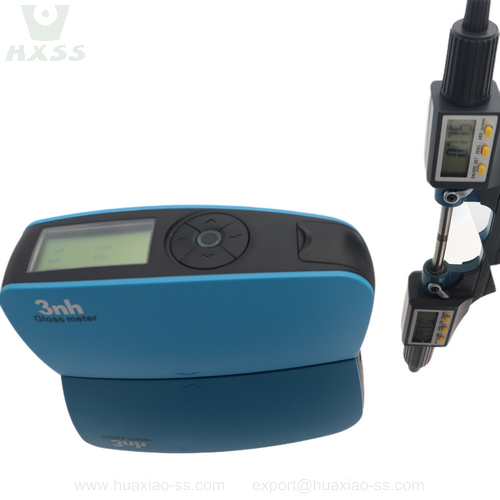
Mirror finish gloss testing (for decorative products)
Our goal is to ensure every sheet, coil, and pipe meets or exceeds client expectations.
Color Difference and Quality Disputes: Case Analysis
Color inconsistency is one of the most common customer complaints, especially for decorative stainless steel applications.
The causes may include:
Different heat treatment conditions during production
Variations in surface roughness before coating
Uneven PVD coating or polishing pressure
Light reflection differences under varying environments
At Huaxiao Metal, strict color calibration and coating uniformity controls ensure that each batch maintains consistent shade and gloss — especially for architectural or elevator applications where aesthetics matter most.
If you encounter color differences or surface irregularities in your products, contact us for technical evaluation and replacement solutions.
How Huaxiao Metal Ensures Surface Excellence
Advanced Processing Equipment
Huaxiao Metal operates precision rolling, polishing, and coating lines capable of producing:
2B / BA / Mirror / PVD Colored finishes
Thickness range: 0.3 mm – 50 mm
Width: up to 2000 mm
Materials: 201, 304, 304L, 316L, 430, Duplex 2205, etc.
Strict Quality Control
Every stage — from raw material inspection to final packaging — follows ISO 9001 and ASTM standards.
Non-destructive testing (NDT) and visual surface checks ensure zero defects before delivery.
Tailored Solutions
We provide custom surface processing based on your requirements for reflectivity, roughness, and corrosion resistance — suitable for industries such as:
Building and construction
Food and medical equipment
Chemical and energy
Automotive decoration and appliances
Huaxiao Metal is your one-stop stainless steel supplier — offering both technical expertise and flexible customization options.
Global Supply and Service Advantages
Huaxiao Metal exports stainless steel products to more than 80 countries worldwide.
Our main export products include:
Stainless Steel Sheets & Coils (2B, BA, No.4, Mirror, Colored)
Stainless Steel Pipes & Tubes (Welded and Seamless)
Stainless Steel Bars & Wires
We maintain large inventories in major ports such as Shanghai and Ningbo, ensuring fast delivery and competitive pricing for global customers.
Why choose Huaxiao Metal?
Factory-direct pricing with mill certificates
Professional packaging for export
Stable quality from top Chinese mills
Full documentation and after-sales service
How to Prevent Surface Problems in Future Applications
To minimize surface issues during storage, transportation, and usage:
Store stainless steel in dry, ventilated environments.
Avoid direct contact with carbon steel or iron tools.
Use plastic or paper interlayers when stacking sheets.
Clean the surface before and after welding.
Periodically inspect for stains, rust, or deposits.
Following these steps ensures the material retains its original finish and corrosion resistance for decades.
Conclusion
From surface processing to cleaning, maintenance, and defect prevention, every detail of stainless steel surface management affects product performance and visual appeal.
With advanced equipment, professional experience, and strict quality control, Huaxiao Metal provides stainless steel materials that combine excellent surface quality, durability, and competitive pricing.
If you are looking for reliable stainless steel sheet, coil, or pipe suppliers,
Contact Huaxiao Metal today to request a quotation or discuss your customized surface processing needs.