
As a professional stainless steel material supplier, Huaxiao Metal regrets to point out that in many high-end structural, chemical, and marine engineering applications, a single material can no longer meet the requirements of corrosion resistance, high strength, and cost-effectiveness. Therefore, we have launched a series of stainless steel clad plates, combining the corrosion resistance of stainless steel with the load-bearing capacity of carbon steel/low alloy steel, optimizing both cost and performance.
Stainless Steel Clad Plate is an innovative material that combines the advantages of two or more metals. It typically consists of a Stainless Steel Cladding Layer and a Carbon/Low-Alloy Steel Base Layer, tightly bonded together through specific processes (such as explosion bonding or rolling bonding).
It ensures the material offers excellent corrosion resistance and wear resistance while providing high strength and cost-effectiveness.
We specialize in the manufacturing and export of composite stainless steel (304/316L/2205/904L) with carbon/alloy steel. We offer explosive bonding, hot-rolled bonding, and rolled bonding products, and support large-scale customized projects and third-party testing (SGS/BV/TUV).
Inquire now about stainless steel composite plate prices and available stock.
Technical Specifications & Material Combinations
We offer customized clad plates to meet the specific needs of our clients’ projects.
Common Material Combinations
| Cladding Layer | Base Layer | Typical Application |
| 304/304L | Q235B, SA516Gr70 | General chemical equipment and storage tanks |
| 316/316L | Q345R, 16MnR | Seawater, acid and alkaline environments, and highly corrosion-resistant pressure vessels |
| 2205/2507 (Duplex Steel) | Q345B, A387Gr.11/22 | Marine engineering, high temperature and high pressure containers |
| 400Series (410S) | Carbon Steel | Refining units and flue systems |
Dimension Range
| Parameter | Range | Notes |
| Total Thickness | 8 mm – 200 mm | Customization available upon request |
| Clad Thickness | 1.5 mm – 10 mm | The minimum coating ratio can reach 10%. |
| Max Width | 4500 mm | Determined based on manufacturing process and substrate size. |
Supports special alloys & duplex steel composites
Processing available: cutting, leveling, drilling, polishing, coating, and protective oil packaging.
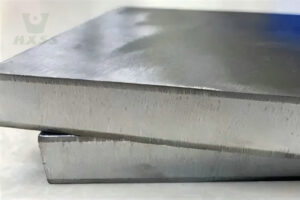
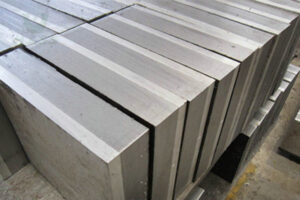
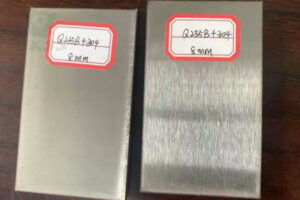
What is a Stainless steel Composite Plate?
A stainless steel composite plate, also known as a metal composite steel plate, is a metal-saving structural plate made by using inexpensive, high-strength carbon steel or alloy steel as the base material and a stainless steel or nickel alloy outer layer.
It combines the corrosion resistance of stainless steel with the strength of carbon steel/alloy steel, achieving low cost, long service life, and high reliability.
In short:
Get a stainless steel structural solution with almost the same performance at a lower cost.

Main Composite Methods of Stainless Steel Clad Plates
1) Explosion Bonding (Explosive Cladding)
Explosion bonding uses controlled explosive energy to create an ultra-high-pressure impact between stainless steel and carbon steel plates, forming a strong metallurgical bond at the interface.
Features:
Extremely high bonding strength (>400 MPa)
Excellent corrosion-resistant interface
Suitable for thick plates and large-format materials
Preferred for high-pressure, high-temperature equipment
Typical Applications:
Pressure vessels, heat exchangers, chemical storage tanks, petrochemical reactors, and desalination plants
2) Hot-Rolled Clad Plate (Hot Rolling Composite Plate)
Hot-rolling cladding produces composite plates through high-temperature diffusion and rolling pressure, ensuring stable bonding and large-scale production capability.
Features:
Uniform bonding layer
High mechanical performance and toughness
High production efficiency and large-batch supply capability
Smooth surface finish suitable for machining
Typical Applications:
Petrochemical equipment, pressure pipelines, power plant equipment, and boiler manufacturing
3) Roll-Bonding Clad Plate (Solid-Phase Roll Bonding)
Roll-bonding involves mechanical rolling under high pressure to bond stainless steel and base metal at room-temperature or low-temperature stages, followed by heat treatment.
Features:
High bonding, cleanliness & excellent surface quality
Precise dimensional control
Suitable for thin to medium thickness plate production
Ideal for precision engineering and special industries
Typical Applications:
High-purity chemical applications, clean energy equipment, food & pharmaceutical processing, precision heat exchangers
Process Comparison Overview
| Process | Bonding Strength | Thickness Range | Production Size | Best For |
|---|---|---|---|---|
| Explosion Cladding | ⭐⭐⭐⭐⭐ | Medium-Thick | Large Size | Heavy-duty chemical & offshore |
| Hot-Rolled Cladding | ⭐⭐⭐⭐ | Thin-Thick | Mass Production | Pressure vessels & power plants |
| Roll-Bonding | ⭐⭐⭐⭐ | Thin-Medium | Precision Control | Pharmaceutical & high-purity systems |
Engineering Tip:
For heavy-duty pressure vessels & seawater systems, Explosion Cladding is often the premium choice.
For large-scale industrial supply, Hot-Rolling provides cost-effectiveness.
For clean-environment precision equipment, Roll-Bonding is preferred.
Send your application & drawings — we will recommend the best bonding method and thickness configuration.
Advantages of Stainless Steel Clad Plates
| Benefits | Description |
|---|---|
| Cost Saving | Stainless steel layer + carbon steel substrate |
| Corrosion-Resistant | 304/316/2205 & nickel alloy options |
| High Strength | Carbon steel/low-alloy backing steel |
| Easy Fabrication | Cutting, welding, bending, polishing |
| Long Service Life | Ideal for harsh environments |
Quality Standards & Testing of Stainless Steel Clad Plates
We strictly manufacture and inspect Stainless Steel Clad Plates according to international and domestic standards to ensure reliable product quality.
Applicable Standards
International: ASTM A263, ASTM A264, ASTM A265, ASME SA-263/SA-264/SA-265
Chinese: GB/T 8165, NB/T 47002
Key Quality Testing
Bond Strength Test: The shear strength test meets the standard requirements.
Ultrasonic Testing – UT: 100% flaw detection ensures the integrity of the bond between the cladding and the substrate.
Metallographic Analysis: Examine the microstructure of the bonding interface.
Corrosion Resistance Test: Test the coating material to ensure its performance.
Typical Application Fields of Stainless Steel Composite Plates
Stainless steel cladding plates are widely used in critical industrial sectors that require corrosion resistance and high structural strength.
Petrochemical Industry: Reactors, towers, heat exchangers, storage tanks.
Pressure Vessel Manufacturing: Various pressure-bearing equipment, nuclear power equipment.
Environmental Engineering: Flue gas desulfurization (FGD) equipment, wastewater treatment.
Seawater Desalination: Key components of desalination plants.
Metallurgical Industry: Electrolytic cells, blast furnace cooling walls.
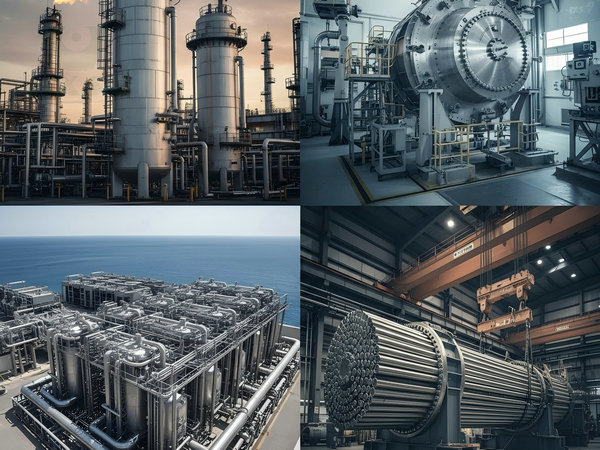
Whether you need standard or customized stainless steel composite panels, our team of experts can provide you with professional material selection and technical support.
Contact us for the latest inventory information and competitive pricing.
Frequently Asked Questions (FAQ)
What is the main difference between stainless steel Clad plates and pure stainless steel plates?
The difference lies in structure and cost. Pure stainless steel plates are entirely made of stainless steel; while composite plates only have a stainless steel cladding facing the medium, with the underlying substrate being lower-cost carbon steel. This significantly reduces material costs and project costs without sacrificing key corrosion resistance.
| Category | Stainless Steel Clad Plate | Pure Stainless Steel |
|---|---|---|
| Material Composition | Compound material: Stainless steel + carbon steel or other base metal | 100% stainless steel |
| Strength | Higher bonding strength, excellent mechanical strength due to combined structure | High strength but fully depends on stainless steel grade |
| Corrosion Resistance | Same corrosion resistance as stainless steel on the surface | Excellent corrosion resistance throughout the material |
| Cost | Significantly lower cost due to reduced stainless steel usage | Higher material cost |
| Weight | Lighter for same performance level | Generally heavier with full stainless composition |
| Welding Performance | Good, but requires specific clad welding considerations | Easier welding, depending on grade |
| Processing Performance | Easy cutting, forming, and processing | Good processability but higher cutting and forming cost |
| Thermal Performance | Good thermal conductivity (due to steel core) | Lower conductivity compared to clad plate |
| Applications | Chemical tanks, pressure vessels, desalination, shipbuilding, energy equipment, heat exchangers | High-end equipment, food machinery, medical devices, aerospace applications |
| Economic Benefit | Very high — cost-effective without sacrificing performance | High cost due to full stainless structure |
| Service Life | Long service life with proper use | Longest service life |
| Environmental Impact | Lower stainless usage; more eco-friendly and energy-saving | Higher resource consumption |
Is the bonding strength of exploded composite plates reliable?
Very reliable. Exploded bonding is a metallurgical bonding process, forming atomic connections at the bonding interface. The shear strength far exceeds the requirements of the national standard (GB/T 8165). Through 100% ultrasonic testing, we guarantee the integrity of the bonded area of the plates.
What size composite plates can you provide?
Our production capacity can provide heavy-duty composite plates with a total thickness of up to 250mm and a maximum single weight of 40 tons, meeting the manufacturing needs of large pressure vessels and towers. Specific dimensions depend on the combination of the cladding and the substrate; please contact us for confirmation.
What is the typical delivery time for Huaxiao composite plates?
Delivery time for standard material combinations (such as 304L/Q345R) is typically 4-6 weeks, depending on specifications and current production schedule. Delivery time for customized special alloy combinations will be appropriately extended.