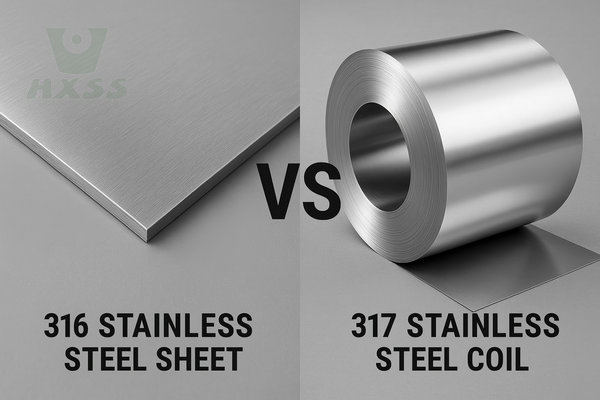
When your project requires excellent corrosion resistance, the austenitic stainless steel 300 series is undoubtedly one of the best choices. Among them, 316 vs 317 stainless steels have attracted much attention due to their excellent performance. But what is the difference between them? Which one is the right choice for your application?
As an expert in the field of stainless steel, Huaxiao Metal will provide you with a detailed comparative analysis of the performance, advantages, and uses of the two stainless steel materials in different application fields, etc., to help you make an informed decision between 316 and 317 stainless steels and purchase the most cost-effective stainless steel materials for your project.
Basic Overview of Stainless Steel
Stainless steel is an alloy material that is resistant to corrosion and high temperatures. It consists of iron, chromium, nickel, and other alloying elements. The reason why stainless steel is not easy to rust is that the chromium element in it can form a dense oxide film to protect the base metal from the erosion of the external environment. 316 vs 317 stainless steel are similar in basic composition, but there are some differences in their alloy formula and characteristics.
1. What Is 316 Stainless Steel?
316 stainless steel is a molybdenum-alloyed austenitic stainless steel offering enhanced corrosion and pitting resistance when compared to 304.
Key Features
- 2–3% Mo for improved chloride resistance
- Good mechanical strength
- Excellent overall corrosion resistance
- Widely used in marine, chemical, and food equipment
2. What Is 317 Stainless Steel?
317 stainless steel is a higher-alloyed version of 316, containing more molybdenum and nickel for significantly improved corrosion and pitting resistance.
Key Features
- 3–4% Mo (higher than 316)
- Excellent resistance to chemicals, acids, and chloride pitting
- Higher cost, but better durability in aggressive environments
- Used in chemical processing, pulp & paper, and high-chloride operations
What is the Difference Between 316 and 317 Stainless Steel?
Before we delve into this, let’s quickly look at the core differences between 316 and 317 stainless steel.
| Feature | Grade 316 Stainless Steel | Grade 317 Stainless Steel | Huaxiao Metal’s Comment |
| Mo | 2.0% – 3.0% | 3.0% – 4.0% | This is the most critical difference. The higher molybdenum content gives 317 greater corrosion resistance. |
| Corrosion Resistance | Excellent | More Superior | Especially in harsh environments containing chloride and sulfuric acid compounds, 317 performs better. |
| Mechanical Strength | Good | Slightly Higher | The tensile strength and yield strength of 317 is generally slightly higher than 316. |
| Cost | Standard | Higher | Due to the higher alloying element content, the cost of 317 also increases accordingly. |
| Availability | Very high, easy-to-buy | Relatively low, more specialized | 316 stainless steel is very common, while 317 stainless steel requires finding professional manufacturers and stockists. |
Composition: 316 Vs 317 Stainless Steel
| Element | 316 Stainless Steel | 317 Stainless Steel |
|---|---|---|
| C | ≤0.08% | ≤0.08% |
| Mn | ≤2.00% | ≤2.00% |
| Si | ≤1.00% | ≤1.00% |
| Cr | 16.0–18.0% | 18.0–20.0% |
| Ni | 10.0–14.0% | 11.0–15.0% |
| Mo | 2.0–3.0% | 3.0–4.0% |
| S | ≤0.03% | ≤0.03% |
| P | ≤0.045% | ≤0.045% |
- 316 stainless steel: It contains approximately 16-18% chromium, 10-14% nickel, 2-3% molybdenum, and small amounts of other elements such as carbon, manganese, silicon, phosphorus, sulfur, and nitrogen. The molybdenum addition enhances its corrosion resistance, especially against chlorides and acids.
- 317 stainless steel: It contains a higher amount of chromium, typically around 18-20%, and higher nickel content, usually 11-15%. It also contains about 3-4% molybdenum and small amounts of other elements. The higher chromium and nickel content make it more corrosion-resistant than 316 stainless steel, especially in harsh environments with acids and chlorides.
Pro Tip: If your application environment contains high concentrations of chlorides, salt water, or corrosive chemicals, investing in 317 stainless steel will be a safer, longer-lasting choice.
Corrosion Resistance: Why 317 Stainless Steel is Better?
Here are the main reasons why customers choose 317 over 316.
Pitting Resistance: The pitting equivalent number (PREN) is a crucial indicator for measuring the pitting resistance of stainless steel. The higher PREN value of 317 stainless steel means that it can better resist the occurrence of localized corrosion in environments such as seawater and chemical processing equipment.
Application Scenarios:
316 Stainless Steel: Suitable for marine environments, food processing equipment, pharmaceutical equipment, and general chemical pipelines.
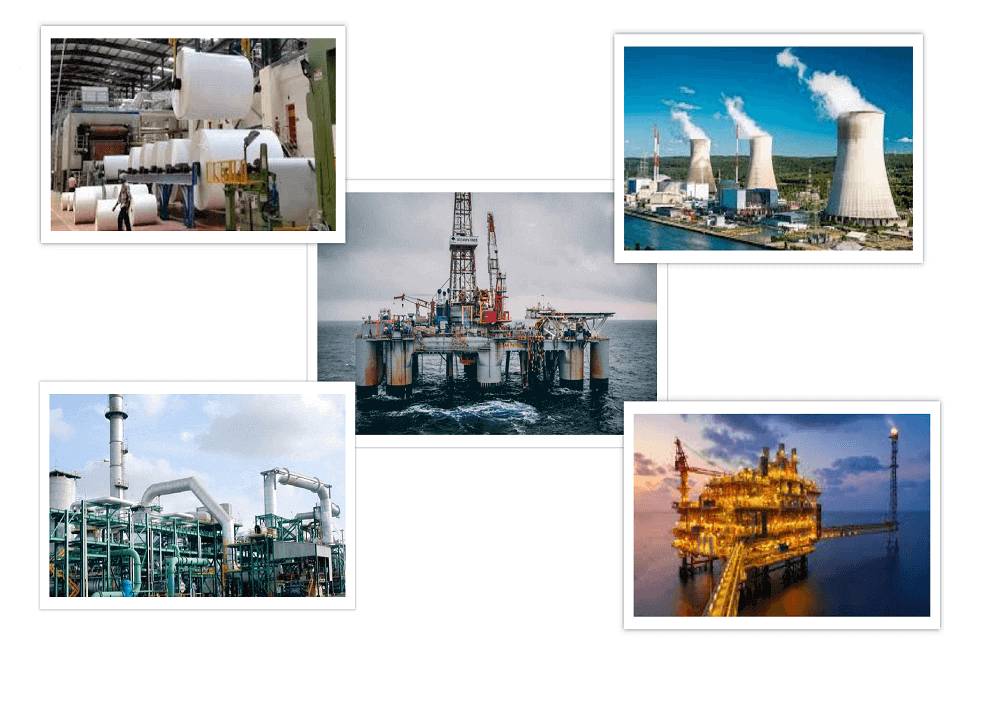
317 Stainless Steel: Suitable for more severe environments such as scrubbers in flue gas desulfurization systems (FGD), bleaching equipment in the pulp and paper industry, highly corrosive chemical storage tanks, and offshore oil drilling platforms.
Suppose you are looking for materials for the above harsh environments. In that case, Huaxiao Metal can provide you with high-quality 317L stainless steel plates and 317 stainless steel pipes to ensure the long-term and stable operation of your equipment.
Mechanical Properties Comparison
| Mechanical Property | 316 | 317 |
|---|---|---|
| Tensile Strength (MPa) | 515 | 515 |
| Yield Strength (MPa) | 205 | 205 |
| Elongation (%) | 40% | 40% |
| Hardness (HB) | ≤217 | ≤217 |
Mechanical strength is nearly identical. The major difference lies in corrosion performance, not strength.
Huaxiao Metal supplies 316 and 317 stainless steel materials, whether it is bar for precision processing or wire for braiding, it guarantees excellent processing performance.
Cost & Availability: 316 Vs 317 Stainless Steel
Cost: Due to the higher content of molybdenum and nickel, the raw material cost of 317 stainless steel is usually 15%-30% higher than 316.
Availability: 316 stainless steel is one of the most widely used stainless steels in the world, with sufficient inventory and a full range of specifications. 317 stainless steel is relatively more specialized and has less inventory, but professional suppliers such as Huaxiao Metal can provide customized sizes of 317 stainless steel coils and other shapes of products according to your needs.
High-Temperature Resistance
Both 316 and 317 maintain strength up to:
870°C (intermittent use)
925°C (continuous use)
317 performs slightly better in carburizing environments.
Weldability Comparison
| Property | 316 | 317 |
|---|---|---|
| Weldability | Excellent | Good |
| Hot cracking sensitivity | Low | Slightly higher due to alloy content |
| Recommended filler metal | 316L | 317L |
While both are weldable, 316 welds more easily.
Machinability & Formability
| Feature | 316 | 317 |
|---|---|---|
| Machinability | Better | Slightly more difficult |
| Formability | Good | Good |
| Work hardening | Moderate | Moderate to high |
Higher alloy content in 317 slightly reduces processing efficiency.
International Equivalent Grades
| Standard | 316 | 317 |
|---|---|---|
| ASTM | 316 / 316L | 317 / 317L |
| EN | 1.4401 / 1.4404 | 1.4449 / 1.4438 |
| JIS | SUS316 | SUS317 |
| DIN | X5CrNiMo17-12-2 | X2CrNiMo18-15-4 |
Application: 316 Vs 317 Stainless Steel
316 stainless steel: It is widely used in various applications, including food processing equipment, pharmaceuticals, marine environments, architectural structures, and medical implants. It is also suitable for high-temperature environments and is often used in heat exchangers and exhaust systems.
317 stainless steel: Its enhanced corrosion resistance makes it suitable for more demanding applications involving exposure to corrosive chemicals and acids. It is commonly used in chemical processing equipment, the pulp and paper industry, the textile industry, and in environments with high levels of chlorides and acids.
 In summary, while both 316 vs 317 stainless steel are corrosion-resistant austenitic alloys, 317 stainless steel has a higher chromium, nickel, and molybdenum content, providing superior resistance to corrosive chemicals and acids. The specific choice between the two would depend on the intended application and the level of corrosion resistance required.
How to choose: 316 vs 317 Stainless Steel?
Choose 316 stainless steel when:
Your project requires good corrosion resistance, but the environment is not extremely harsh.
Cost is the main consideration.
Application scenarios are food processing, pharmaceuticals, construction, or standard marine environments.
Choose 317 stainless steel when:
Your equipment will be exposed to high concentrations of chlorides, strong acids, or extremely corrosive chemicals.
Performance and long-term reliability take precedence over initial cost.
Application scenarios are flue gas desulfurization, highly corrosive chemicals, pulp manufacturing, etc.
Choose Huaxiao Metal - Your reliable 316 & 317 Stainless Steel Supplier
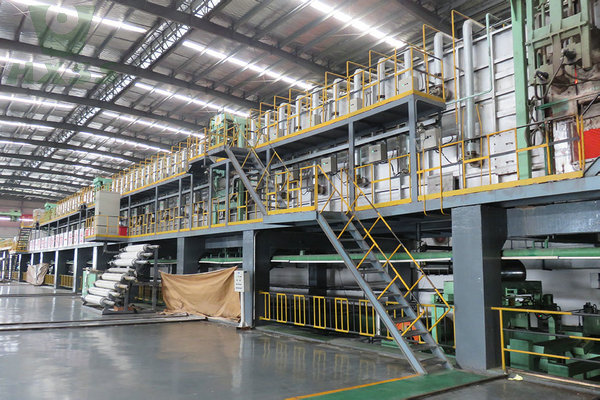

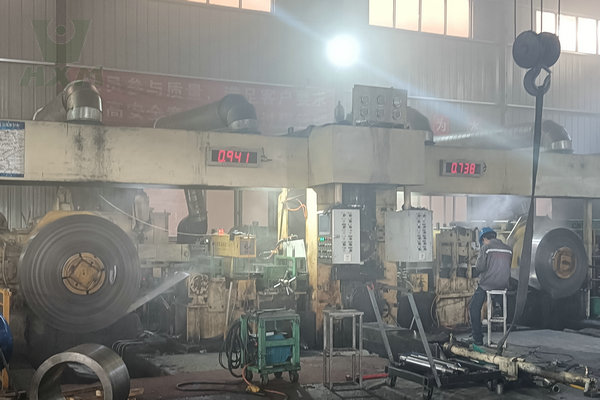
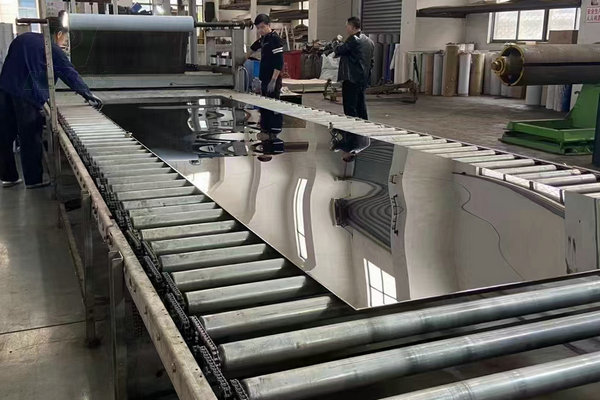
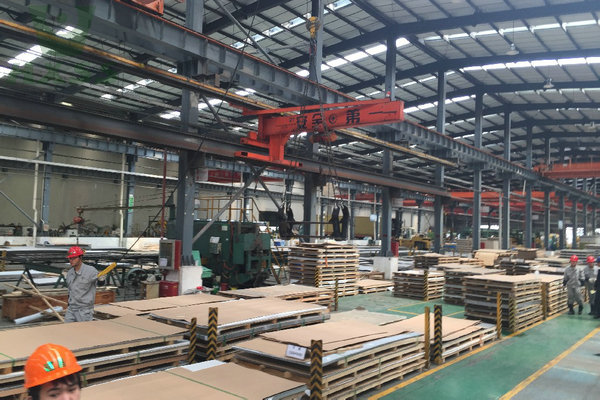

Whether you ultimately choose 316 or 317 stainless steel, a reliable stainless steel supplier is essential. At Huaxiao Metal, we not only provide products, but also solutions.
Rich Inventory and Customization Capabilities: We always have a wide range of specifications of 316/316L and 317/317L stainless steel plates, stainless steel coils, stainless steel bars, stainless steel pipes and stainless steel wires.
Quality Assurance: All products meet international standards and provide complete material certification.
Expert Support: Our team has extensive industry knowledge and can recommend the most suitable material grade for you according to your specific working conditions.
Global Logistics: We have the ability to deliver high-quality stainless steel products safely and on time to any designated location in the world.
Don’t compromise on material selection. A correct decision can save you millions in maintenance and replacement costs.
FAQ
What does the "L" in 317L and 316L stand for?
“L” stands for Low Carbon. Low carbon versions (such as 316L, 317L) resist intergranular corrosion better after welding, so they are preferred in applications that require a lot of welding.
Can I use 316 stainless steel instead of 317?
It depends on the application environment. In mild environments, yes. But in highly corrosive environments where the design requires the use of 317, substituting 316 will bring huge corrosion risks and may cause premature equipment failure.
How much more expensive is 317 stainless steel than 316?
Generally, the price of 317 stainless steel is 15% to 30% higher than 316, depending on market conditions, product form and order volume. Welcome to contact us for real-time quotes.
Is 317 significantly better than 316?
Yes, especially in chloride and acid resistance.
Is 317 worth the higher price?
If your environment is aggressive, 317 reduces long-term maintenance costs.
Can 316 and 317 be welded together?
Yes, with appropriate filler metals such as 316L or 317L.
Which grade is better for seawater environments?
317 is more resistant, but 316 is still widely used.
Are 316 and 317 magnetic?
Both are non-magnetic in annealed condition.
Which grade has higher PREN value?
317 has a higher PREN (~30) than 316 (~24).
What forms does Huaxiao Metal supply?
Coils, sheets, plates, strips, pipes, tubes, bars, rods, wire, fittings.
Does Huaxiao Metal support OEM packaging?
Yes, including seaworthy wooden pallets and customized export packing.
Conclusion
Both 316 and 317 stainless steel are excellent corrosion-resistant materials, but their performance and cost differ considerably. For general applications, 316 provides the best balance of performance and cost. For aggressive chemical and chloride environments, 317 is the superior choice.
If you need reliable 316 or 317 stainless steel products, Huaxiao Metal is your trusted global stainless steel supplier.