Call Us Today! +86-13761906384

Pickling Process of Seamless Steel Pipes

During the production of seamless stainless steel pipes, surface treatment plays a decisive role in the final product’s quality, corrosion resistance, and durability. Among all surface treatments, the pickling process is one of the most critical. Huaxiao Metal, a leading supplier and manufacturer of seamless stainless steel pipes in China, strictly controls every stage of the pickling process to ensure our seamless pipes meet international quality standards and deliver superior performance in a variety of applications.

If you’re looking for high-quality seamless stainless steel pipes with a smooth, clean, and corrosion-resistant surface, understanding the pickling process will help you make the right purchasing decision.

In the rolling process of seamless steel pipes, especially precision seamless steel pipes, the pickling process is very important to remove the oxide scale and rust on the surface. How is pickling performed? Let me listen to Xiaobian here for you!

Overview of Pickling of Precision Seamless Steel Pipe

The method of using an acid solution to remove oxide scale and rust on the surface of the steel is called pickling. Iron oxides such as scale and rust (Fe3O4, Fe2O3, FeO, etc.) react chemically with the acid solution to form salts that are dissolved in the acid solution and removed. Acids for pickling include sulfuric acid, hydrochloric acid, phosphoric acid, nitric acid, and mixed acids.
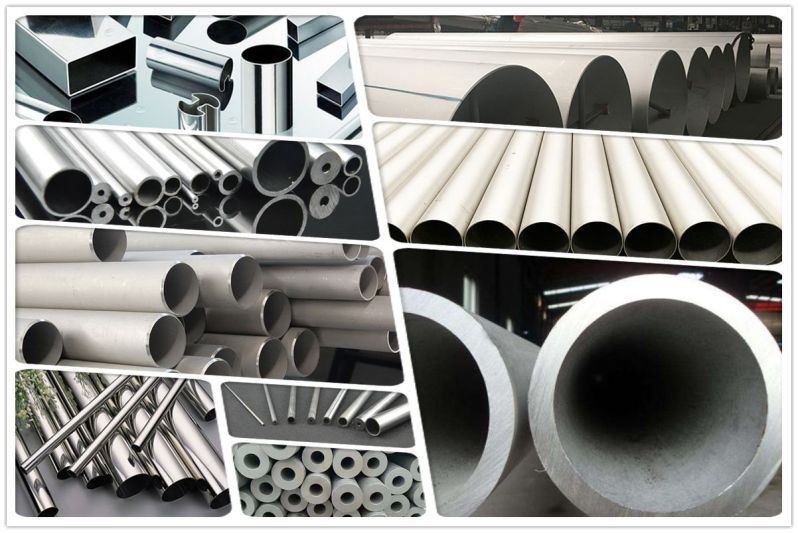
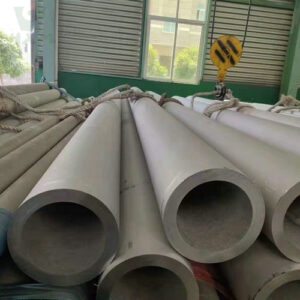
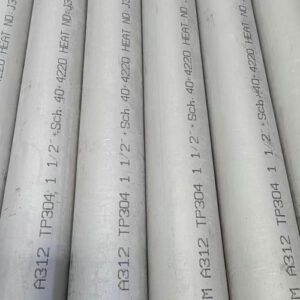
316 Stainless Steel Seamless Pipe, SS 316 Seamless Pipe, seamless steel pipes

Commonly used medium for pickling of precision seamless steel pipe.
Sulfuric acid, nitric acid, phosphoric acid, and hydrofluoric acid. Be sure to add a pickling corrosion inhibitor during pickling to prevent the acid from corroding the metal.

Precision Seamless Steel Pipe Pickling Process

There is mainly immersion pickling methods, spray pickling method, and acid paste de-rusting method. Generally, the dipping and pickling method is used, and the spray method can be used in mass production. Steel parts are generally pickled in 10%-20% (volume) sulfuric acid solution at a temperature of 40°C. When the iron content in the solution exceeds 80g/L and the ferrous sulfate exceeds 215g/L, the pickling solution should be replaced.

At room temperature, the steel is pickled with a 20% to 80% (volume) hydrochloric acid solution to prevent over-corrosion and hydrogen embrittlement. Since acid has a great corrosive effect on metals, corrosion inhibitors need to be added. After cleaning, the metal surface becomes silvery-white, and at the same time, the surface is passivated to improve the corrosion resistance of stainless steel.

In order to eliminate the adsorption on the surface of the diatomaceous earth carrier and reduce the tailing of the chromatographic peak, the carrier needs to be acid-washed or alkaline washed before use. Pickling is to soak the carrier with 6mol/L hydrochloric acid for 2 hours or heat and soak with concentrated hydrochloric acid for 30 minutes, filter, wash with water to neutrality, and dry. Pickling can remove iron, aluminum, calcium, magnesium, and other impurities on the surface, but it cannot remove silanol groups. The pickling carrier is suitable for the analysis of acidic samples.

Pickling Process of Seamless Steel Pipes

The Role of Precision Seamless Steel Pipe Pickling

Degreasing and dusting the surface of precision seamless steel pipes in order to prepare for the next process. In the production process, the pickling process is to remove the surface oxide scale, and then go through lubrication treatment (carbon steel-phosphorous saponification, stainless steel-butter lime, copper aluminum pipe-oiling), using the old process-copper plating), and then For drawing and deep processing. If the steel pipe is not pickled, there may be oxides and oil stains on the surface, and the nuclear energy of the phosphating solution cannot remove, and the quality of phosphating will be reduced.
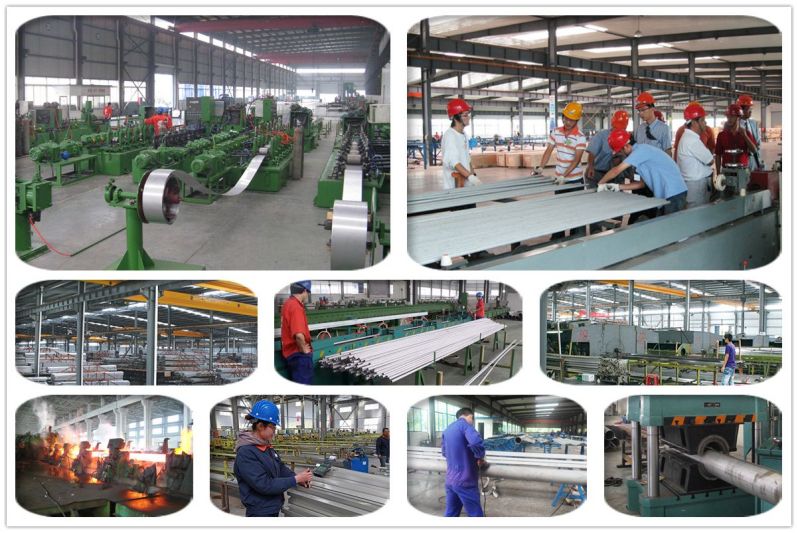
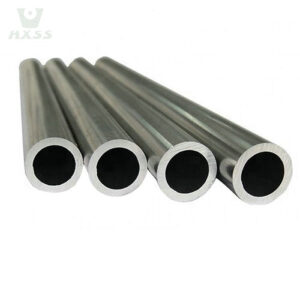
316 Stainless Steel Seamless Pipe, SS 316 Seamless Pipe

Why Pickling Is Essential for Seamless Steel Pipes

  • Removes Oxide Scales and Rust

Seamless pipes undergo high-temperature processes such as piercing, hot rolling, and annealing. These steps generate oxide scales that reduce the appearance and performance of the product. Pickling removes these scales, leaving a clean metallic surface.

  • Improves Corrosion Resistance

After pickling, the stainless steel surface forms a uniform passive oxide layer, preventing further oxidation and enhancing its corrosion resistance, especially for grades like 304, 316L, 310S, and 321 stainless steel seamless pipes.

  • Enhances Surface Finish and Weldability

A clean and smooth surface ensures better welding quality and uniformity in later applications such as pressure pipes, heat exchangers, and chemical pipelines.

  • Prepares Pipes for Coating or Further Processing

Pickled pipes have improved surface adhesion, making them ideal for coating, polishing, or plating applications.

Applications of Stainless Steel Seamless Pipes

Seamless Stainless Steel Pipes, having undergone rigorous pickling and passivation, are indispensable critical materials across numerous sectors due to their superior corrosion resistance and high cleanliness.

Core Application Fields

  1. Oil and Gas Industry:

    • Applications: Subsea pipelines, oil/gas gathering and transmission lines, heat exchanger tubes conveying high-pressure, highly corrosive media (containing hydrogen sulfide, chlorides).

    • Requirements: Mandatory thorough pickling and passivation to resist Stress Corrosion Cracking (SCC) and localized corrosion in harsh environments.

  2. Chemical and Petrochemical Industry:

    • Applications: Reactors, distillation columns, heat exchangers, and fluid conveyance pipelines.

    • Requirements: Excellent resistance to acid and alkali corrosion, with 316L grade performing exceptionally well when handling chlorides and organic acids.

  3. Biopharmaceutical and Food Processing:

    • Applications: Hygienic tubing, Ultra-Pure Water (UPW) systems, CIP/SIP cleaning loops.

    • Requirements: Low Surface Roughness (low Ra value), zero residues. Must be passivated to Hygienic Standards to ensure zero contamination of the media.

  4. Power and Nuclear Energy:

    • Applications: Boiler tubes, heat exchangers, and critical fluid loops within nuclear reactors.

    • Requirements: Extremely high temperature and pressure resistance, and stability under long-term operation. Pickling and passivation are foundational for guaranteeing pipe longevity.

  5. Semiconductor and Microelectronics:

    • Applications: Ultra-High Purity Gas Delivery Pipelines (UHP Piping).

    • Requirements: Must undergo the highest grade of Electro-Polishing (EP) and passivation treatment to ensure the pipe inner wall releases no particulates. Huaxiao Metal can provide custom EP grade stainless steel seamless pipes.

Huaxiao Metal's Process Advantages and Quality Commitment

Huaxiao Metal: Exceeding Industry Standards in Quality Process

As a leading Stainless Steel Seamless Pipe Supplier, Huaxiao Metal does more than just follow standards—we strive for excellence in every process detail.

  1. Acid Maintenance and Environmental Treatment:

    • We utilize advanced Acid Regeneration systems to precisely control acid activity, ensuring consistent treatment effectiveness while significantly reducing spent acid discharge, fulfilling our commitment to sustainability.

    • Waste acid and wastewater are subjected to stringent neutralization and precipitation treatments to meet national environmental discharge standards.

  2. Strict Intergranular Corrosion Control:

    • For low-carbon stainless steel grades like 304L and 316L, we pay special attention to the risk of Intergranular Corrosion. Our pickling parameters are optimized to prevent excessive corrosion or selective dissolution at the grain boundaries, ensuring material integrity.

  3. Inner Surface Cleanliness (Borescope Inspection):

    • Especially for instrumentation tubing, semiconductor, and biopharmaceutical pipes, we use Borescopes to visually inspect the internal walls, ensuring the inner surface achieves mirror-grade (BA/EP grade) cleanliness after pickling and passivation, free from any chemical residue or particulates.

Reasons to Choose Huaxiao Metal Stainless Steel Seamless Pipes

Core AdvantageQuality Assurance and Value Proposition
Expert ProcessUses HNO_3 + HF mixed acid system with inhibitors to ensure no over-pickling risk.
TraceabilityEvery pipe batch includes complete Pickling and Passivation Treatment Records and Material Test Certificates (MTC) for full traceability.
Multiple CertificationsProducts comply with international standards such as ASTM A312, ASME SA312, EN 10216.
Environmental ResponsibilityInvestment in advanced acid treatment facilities to minimize environmental footprint.
Product RangeSupplies a full range of seamless pipes including 304, 304L, 316, 316L, 321, 904L, and Duplex Stainless Steel.

FAQ: Customer's Most Frequently Asked Questions About Pickling and Passivation

No. Pickling is a chemical/physical process to remove surface contamination and scale. Passivation is the process of rebuilding or enhancing the protective film. A pickled surface is highly active; without passivation, its corrosion resistance may be even lower than the untreated material. The full “Pickling + Passivation” combination is mandatory.

he most reliable methods are the Ferroxyl Test (Blue Spot Test) or the Copper Sulfate Dip Test. If the results show no residual free iron (i.e., no blue or red spots), the passive film is acceptable. Huaxiao Metal performs rigorous testing on every batch.

Qualified pickling dissolves a minuscule layer of the metal matrix, typically only a fewmicrometers (μm) thick. The impact on the pipe’s overall dimensions and wall thickness isnegligible and well within industry tolerances. Only over-pickling would cause dimensionadeviation.

316L contains Molybdenum (Mo), which gives it superior resistance to Pitting Corrosionand Crevice Corrosion in chloride environments compared to 304. Their basic pickling andpassivation processes are similar, but 316_’s passivation may require more precise control ofacid concentration and time to fully leverage Molybdenum’s corrosion resistance advantages.

Hydrogen embrittlement occurs when hydrogen atoms penetrate the metal, reducing its ductility and toughness. Huaxiao Metal minimizes hydrogen penetration by adding high-efficiency Corrosion Inhibitors to the acid and strictly controlling the pickling temperature and duration. If necessary, the pipes can undergo De-hydrogen heat treatment.

No. Pickling only affects the surface layer; the base metal properties remain unchanged.

We use acid recovery and neutralization systems, minimizing waste and meeting ISO environmental standards.

Conclusion: Choose Huaxiao Metal for Project Success

The pickling process is a vital step in ensuring the surface quality and corrosion resistance of stainless steel seamless pipes. As a trusted seamless pipe supplier and manufacturer, Huaxiao Metal combines advanced pickling technology with strict quality control to deliver pipes that meet the highest international standards.

If you are sourcing stainless steel seamless pipes for your project, factory, or distribution business —

Contact Huaxiao Metal today to get the latest seamless pipe prices, samples, or technical consultation.

Facebook
Twitter
LinkedIn
Pinterest
Reddit

Table of Contents

We will answer your email in 24 hours!

Related Posts

Request a Quote

Fill out the form below, and we will be in touch shortly.