Call Us Today! +86-13761906384

18 10 Stainless Steel Vs 304: Are They the Same? Key Differences & Buying Guide (2026)

Stainless steel is an essential material in various industries and everyday products due to its excellent corrosion resistance and durability. Among the many stainless steel grades available, two popular options are 18 10 stainless steel vs 304 stainless steel.

  • 18/10 stainless steel = 18% chromium + 10% nickel → better corrosion resistance & premium finish

  • 304 stainless steel = 18% chromium + 8–10.5% nickel → standard grade with better cost efficiency

This article aims to shed light on the properties and characteristics of both these stainless steel types, compare their similarities and differences, and ultimately determine which one stands out as the better choice.

  • Need better appearance & corrosion resistance → Choose 18/10
  • Need cost-effective industrial material → Choose 304
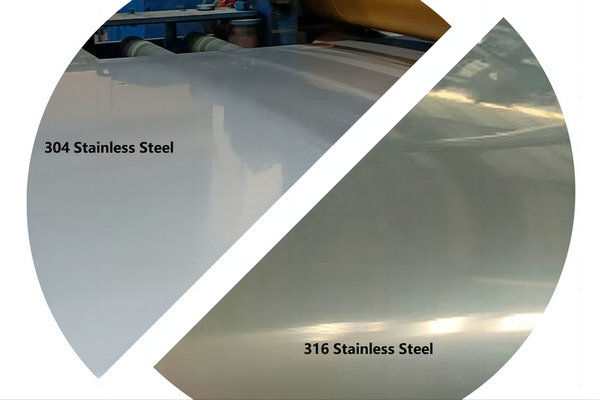
304 vs 316 Stainless Steel, 18 10 stainless steel vs 304

What is 18-10 Stainless Steel?

18-10 stainless steel, often referred to as 18/10 stainless steel, is a common grade found in kitchenware, cookware, and tableware. The numbers “18” and “10” refer to the percentage of chromium and nickel present in the alloy, respectively. This stainless steel grade contains 18% chromium and 10% nickel, which contributes to its high resistance to corrosion and staining. Its non-reactive nature with acidic and alkaline substances makes it ideal for use in the food industry, where hygiene and taste preservation are crucial.

316L Stainless Coil

If you are looking for stainless steel for high-end kitchenware, please contact us for more information on 18/10 stainless steel quotation and purchase.

Contact us for 18-10 stainless steel prices!

What is 304 Stainless Steel?

304 stainless steel is one of the most widely used stainless steel grades in various applications, including kitchen appliances, industrial equipment, and architectural components. It contains approximately 18% chromium and 8% nickel, which makes it slightly different from 18-10 stainless steel. The addition of manganese in 304 stainless steel further enhances its strength and workability, making it a versatile choice for different manufacturing processes.
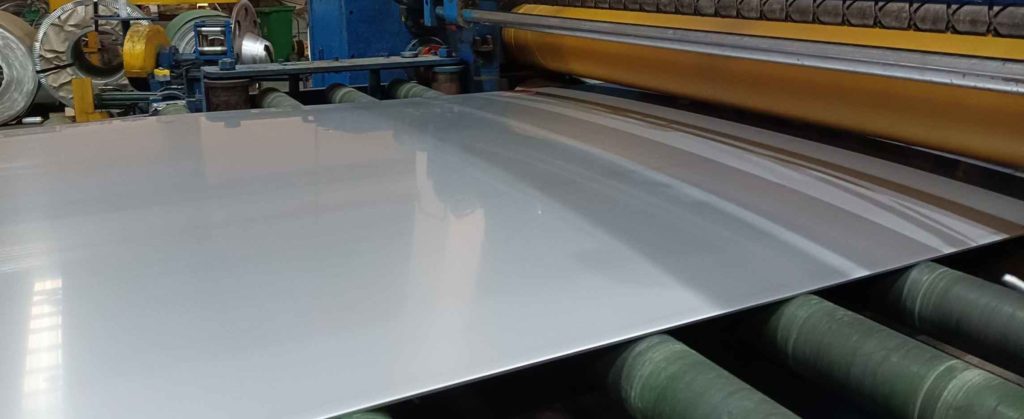
304 2b stainless steel sheet
Huaxiao is one of 304 2b stainless steel sheet suppliers in China.

Need to purchase 304 stainless steel products? Contact us now to get the latest 304 stainless steel price and stock information!

Contact us for 304 stainless steel prices!

Are 18-10 and 304 Stainless Steel the Same?

While 18-10 stainless steel and 304 stainless steel have similar components, there are slight differences in their nickel content. 18-10 stainless steel contains a higher percentage of nickel (10%), compared to 304 stainless steel (8%). This nickel disparity results in varying degrees of corrosion resistance and magnetism.

Which is Better: 18-10 or 304 Stainless Steel?

The choice between 18-10 and 304 stainless steel depends on the intended application. In terms of corrosion resistance, 18-10 stainless steel may have a slight edge due to its higher nickel content. This makes it particularly suitable for use in environments where exposure to harsh chemicals or saline conditions is common. On the other hand, 304 stainless steel’s lower nickel content makes it more affordable, making it a preferred choice for budget-conscious projects.

Whether to choose 18/10 stainless steel or 304 stainless steel depends on your application needs:

If you need to produce high-end kitchenware, tableware or household items, and want the product to have a long-lasting bright appearance and strong corrosion resistance, 18/10 stainless steel is undoubtedly the best choice.

If your project involves industrial equipment, building materials, or piping systems, you need a material with strength, durability, and high-cost performance, 304 stainless steel is more suitable.

Not sure which material is more suitable for your project? Feel free to contact Huaxiao Metal’s professional team and we will provide you with personalized consultation and quotation services!

The Differences Between 18 10 Stainless Steel vs 304 Stainless Steel:

As a global metal supplier, Huaxiao Metal ensures all 18/10 and 304 materials comply with ASTM A240 and AISI standards. The “18/10” label is a shorthand for the alloy’s composition:

Property

18 10 Stainless Steel

304 Stainless Steel

Chemical Composition

18% Chromium, 10% Nickel

18% Chromium, 8% Nickel

Nickel Content

Higher

Lower

Corrosion Resistance

Excellent, especially against chlorides

Good, versatile

Price

Higher

Relatively Lower

Typical Applications

High-end cutlery, cookware, medical equipment, coastal building

General containers, furniture, railings, interior decoration

Composition & Properties Comparison Table

SpecificationChromium (Cr)Nickel (Ni)StructureCommon Trade Name
304 Stainless18% – 20%8% – 10.5%Austenitic18/8 Stainless
18/10 Stainless18% – 20%10.0% MinAusteniticSurgical / Food Grade
18/0 (430) Steel18%0%FerriticMagnetic Stainless
  • Chromium (18%): Provides the initial layer of oxidation resistance (rust-proofing).

  • Nickel (10%): Adds deep corrosion protection, high-gloss shine, and non-magnetic properties.

Nickel Content:

As mentioned earlier, 18-10 stainless steel contains 10% nickel, while 304 stainless steel contains 8%.

Why is this 2% nickel so important? Nickel is an expensive metal, and its content directly determines the corrosion resistance of stainless steel. A higher nickel content makes 18/10 stainless steel more resistant to strong corrosive substances such as salt and acid, especially in environments with high chloride content, such as coastal areas.

  • Superior Luster and Finish: Nickel is responsible for the “silver-like” glow of stainless steel. Because 18/10 has a higher nickel content, it can be polished to a Grade 8 Mirror Finish that lasts longer and resists dulling even after thousands of industrial wash cycles.
  • Enhanced Corrosion Resistance: In environments involving acidic foods (like tomatoes or citrus) or harsh cleaning chemicals, 18/10 is less likely to develop “pitting” or black spots compared to standard 18/8 (304) steel. This makes it the preferred material for Surgical Instruments and High-End Cookware.
  • Weight and Density: While the physical weight difference is subtle, 18/10 feels more “substantial” in hand. In the B2B hospitality sector, this perceived quality is vital for brand prestige.

Corrosion Resistance:

18/10 stainless steel is more corrosion-resistant than other types of stainless steel due to its high nickel content. This makes it perform well in wet or acidic environments and is effective in preventing rust and corrosion.

304 stainless steel is equally corrosion resistant, but has a slightly lower nickel content, making 18/10 stainless steel superior in extreme environments.

Wear Resistance:

18/10 stainless steel has high wear resistance and a smooth, scratch-resistant surface. This property makes it ideal for kitchen utensils that are used for a long time and often come into contact with food.

304 stainless steel also has good wear resistance, but it does not perform as well as 18/10 stainless steel under extreme conditions of use.

Oxidation Resistance

18/10 stainless steel is slightly more resistant to oxidation than 304 stainless steel. This material can maintain good performance under high temperatures or chemicals and is suitable for a variety of environments.

304 stainless steel is also effective in resisting oxidation, but it performs slightly worse under extreme conditions.

Machinability

Both have good machinability and weldability. They can be cut, formed, and welded into a variety of shapes and sizes, making them widely used in industry and manufacturing.

304 stainless steel may be slightly more difficult to form due to its lower nickel content, but the overall processing performance is still excellent.

Application

18/10 stainless steel is widely used in high-end kitchenware and tableware, such as knives, forks, spoons, pots, etc. These applications require the material to have high corrosion resistance and wear resistance to cope with frequent use and cleaning. It is also used in high-end building decoration materials and medical equipment due to its excellent hygiene and durability.
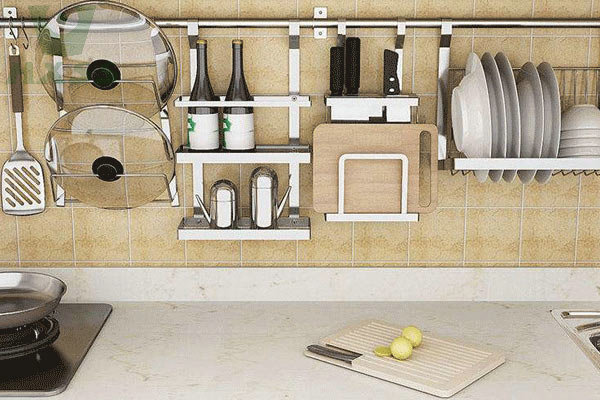
stainless-steel-coil-sheet kitchenware stainless steel shelving

304 stainless steel is widely used in various industrial fields due to its excellent comprehensive properties. It is used to manufacture food processing equipment, chemical equipment, medical equipment, building materials, and home appliances. Due to its good corrosion resistance and processing properties, 304 stainless steel performs well in daily life and industrial applications.

stainless steel coil sheet architecture decoration escalator stainless steel coil sheet architecture decoration escalator

Whether you are choosing household tableware or building materials, contact us now to get more quotes and supply information on 18/10 stainless steel and 304 stainless steel!
Cost and Price

18/10 stainless steel has a higher nickel content, so the production cost is naturally higher, and the finished product price is relatively expensive, especially in the high-end kitchenware market. Its high brightness and excellent corrosion resistance are suitable for consumers who have high requirements for material appearance and quality.

304 stainless steel has a lower cost than 18/10 stainless steel due to its lower nickel content. This makes it the material of choice in many industrial projects, especially in cost-sensitive applications such as building components, piping systems, etc.

Want to know more detailed information about different stainless steel prices? Contact us now to get the latest stainless steel quotes and stock details!

FAQ: 18/10 vs 304 Stainless Steel

Simply put, 18/10 stainless steel is a higher grade of 304 stainless steel. 304 is a widely accepted industry standard (containing 18% chromium and 8% nickel), while 18/10 refers to containing 18% chromium and 10% nickel. The extra 2% nickel gives 18/10 stronger corrosion resistance, a more lasting shine, and higher density. Therefore, 18/10 is often used in high-end tableware, kitchenware, and medical devices, while 304 is widely used in construction and general industries.

In theory, 18/10 stainless steel is extremely corrosion-resistant under normal use and is not prone to rust. However, if exposed to strong acids, strong bases, or environments with high chloride content for long periods of time, and if the surface is scratched or damaged, rust may still occur. Regular cleaning and maintenance are key to maintaining its luster.

For the average consumer, it is difficult to accurately distinguish 18/10 stainless steel from 304 stainless steel using the naked eye or a magnetic test alone. Magnetic testing can only provide a preliminary assessment: Both are austenitic stainless steels in the annealed state and are essentially nonmagnetic. However, after cold working, the magnetic properties of 304 increase, while the magnetic properties of 18/10 change less due to its higher nickel content. The most accurate method is to conduct professional spectroscopic analysis to determine their chemical composition.

Many factors influence the price of 304 stainless steel, primarily including:

  • Raw material cost: particularly price fluctuations of metals like nickel and chromium.

  • Production process: quality control in smelting, rolling, and heat treatment.

  • Surface treatment: various surface finishes, such as 2B, BA, and mirror finish, can affect costs.

  • Supplier reputation and service: brand premiums and after-sales service are also reflected in the price.

We are a professional stainless steel supplier, offering a wide range of 304 and 18/10 stainless steel products in various sizes and forms, including sheet, coil, strip, bar, wire, and tube. All products comply with international standards and are certified for quality.

Yes, in most cases.
18/10 refers to a composition within the 304 stainless steel range, especially with higher nickel content.

  • 18/10 → Better corrosion resistance & appearance
  • 304 → Better cost-performance

👉 It depends on your application.

Yes.
Higher nickel content leads to higher cost.

Why Choose Huaxiao Metal

  • 15+ years stainless steel export experience
  • Customers in 60+ countries
  • Complete product range
  • Strict quality inspection
  • OEM & customization support
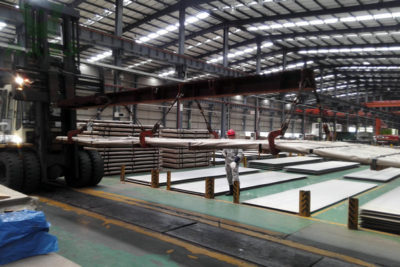
stainless steel coil sheet Factory Warehouse

 In Conclusion

Whether it is 18/10 stainless steel or 304 stainless steel, they have their advantages and applicable occasions. 18/10 stainless steel is widely used in tableware and kitchenware due to its high nickel content and excellent gloss; while 304 stainless steel has become an ideal choice for industries such as industry and construction due to its excellent performance and low cost.

If you have any questions about the application of 18/10 stainless steel or 304 stainless steel, or want to know more about the price information of these stainless steel materials, please contact us! Huaxiao Metal is always here to help you meet your project needs.

Understanding the differences between these stainless steel grades empowers engineers, manufacturers, and consumers to make informed decisions when selecting the right material for their needs.

As a professional stainless steel supplier, Huaxiao Metal offers a wide variety of 304 and 18/10 stainless steel products in various sizes and formats, including plates, coils, strip, bars, wire, and tubing. Whether your project requires cost-effective general-purpose materials or specialty steels with the highest standards of corrosion resistance, we can provide you with a tailored solution.

Contact us today for the latest quotes on 304 and 18/10 stainless steel and expert advice on stainless steel selection.

Facebook
Twitter
LinkedIn
Pinterest
Reddit

Table of Contents

We will answer your email in 24 hours!

Related Posts

Request a Quote

Fill out the form below, and we will be in touch shortly.