This guide compares Inconel 600 vs 625 vs 718 in terms of chemical composition, mechanical properties, corrosion resistance, temperature performance, weldability, applications, and cost to help engineers and buyers make the right material selection.
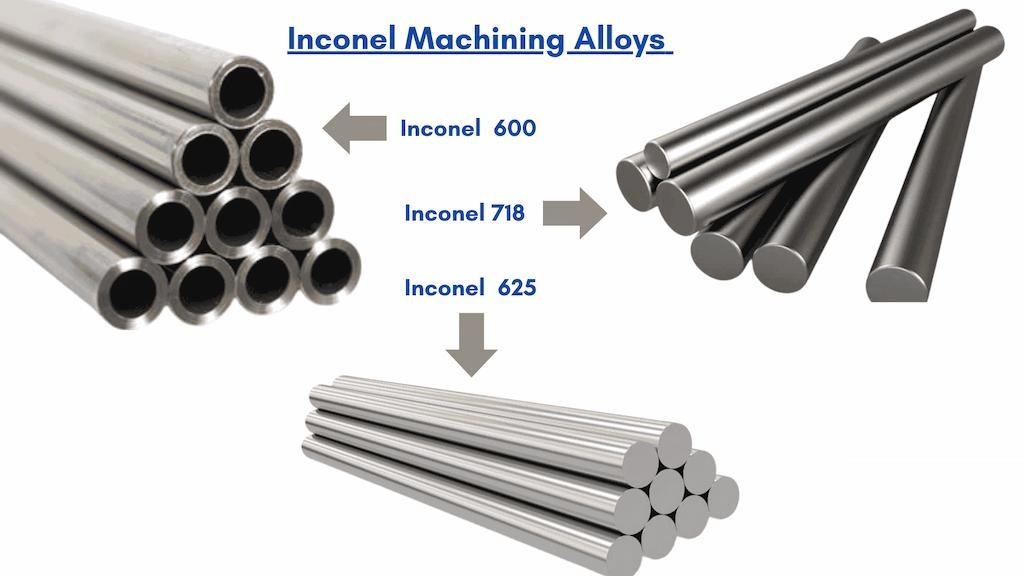
Choosing between Inconel 600, Inconel 625 and Inconel 718 is one of the most common decisions engineers and procurement managers face when specifying nickel alloys. Each grade offers a different balance of high-temperature strength, corrosion resistance, weldability and cost.
As a nickel alloy supplier in China, Huaxiao Metal regularly helps buyers select the right material for heat exchangers, aerospace components, chemical processing equipment and nuclear applications. This guide compares the three alloys side by side and gives you a clear decision framework.
Short answer: Use Inconel 600 for high-temperature oxidation resistance, Inconel 625 for corrosive environments and welded structures, and Inconel 718 when you need maximum strength below 650°C.
Inconel 600 vs 625 vs 718 at a Glance
The table below summarizes the key differences. Use it as a quick reference before reading the detailed sections.
| Property | Inconel 600 | Inconel 625 | Inconel 718 |
|---|---|---|---|
| UNS Number | N06600 | N06625 | N07718 |
| Main Elements | 72% Ni, 14-17% Cr | 58% Ni, 20-23% Cr, 8-10% Mo | 50-55% Ni, 17-21% Cr, Nb, Mo, Ti, Al |
| Max Service Temp | ~1093°C | ~982°C | ~704°C |
| Tensile Strength | ~655 MPa | ~930 MPa | ~1240 MPa (aged) |
| Corrosion Resistance | Excellent oxidation & carburization | Excellent pitting/crevice resistance | Good general corrosion resistance |
| Weldability | Good | Excellent | Good, requires heat treatment |
| Typical Applications | Heat exchangers, furnaces, nuclear | Marine, chemical, aerospace weldments | Turbine discs, fasteners, high-strength parts |
| Price Level | $ (Lowest) | $$ | $$$ (Highest) |
Inconel 600 (UNS N06600): The High-Temperature Workhorse
Inconel 600 is a standard engineering material for applications that require resistance to corrosion and heat. Its balanced nickel-chromium composition gives it excellent resistance to oxidation at high temperatures and good resistance to carburizing and chloride-ion stress-corrosion cracking.
Key Properties
- Excellent oxidation resistance up to 1093°C
- Good resistance to carburizing and nitriding atmospheres
- High mechanical stability across a wide temperature range
- Good formability and weldability
- Non-magnetic and dimensionally stable
Typical Applications
- Heat exchanger tubing and furnace components
- Chemical processing equipment
- Nuclear reactor steam generators
- Food processing and heat-treating fixtures
- Gas turbine combustor liners
Available Forms from Huaxiao
We stock and supply Inconel 600 sheet, plate, bar, tube, pipe, wire and coil. All materials can be supplied with EN 10204 3.1 MTC and third-party test reports on request.
When to choose Inconel 600: Select this grade when your priority is long-term oxidation resistance at temperatures above 700°C, combined with moderate strength and good fabricability.
Inconel 625 (UNS N06625): Corrosion Resistance Champion
Inconel 625 is a nickel-chromium-molybdenum alloy with additions of niobium. The combination of molybdenum and niobium provides high strength without the need for heat treatment, while chromium offers outstanding resistance to oxidizing media.
Key Properties
- Outstanding resistance to pitting, crevice and intergranular corrosion
- High strength from room temperature to 980°C
- Excellent fatigue strength and stress-corrosion cracking resistance
- Superior weldability, even in thick sections
- Good resistance to chloride-ion stress corrosion
Typical Applications
- Offshore platform and seawater equipment
- Chemical processing vessels and piping
- Aerospace engine ducting and exhaust systems
- Flue-gas desulfurization systems
- Welded fabrications requiring high strength
When to choose Inconel 625: Use this grade when your application involves severe corrosive environments, especially chlorides and seawater, or when you need high strength combined with excellent weldability.
Inconel 718 (UNS N07718): Maximum Strength Alloy
Inconel 718 is an age-hardenable nickel-chromium alloy with significant additions of iron, niobium and molybdenum, along with smaller amounts of aluminum and titanium. It is known for its exceptionally high strength, good weldability and resistance to post-weld strain-age cracking.
Key Properties
- Highest tensile and yield strength among the three alloys
- Excellent creep resistance up to 704°C
- Good weldability for a precipitation-hardened alloy
- Strong resistance to oxidation and corrosion at moderate temperatures
- Retains mechanical properties under cyclic thermal loading
Typical Applications
- Gas turbine engine discs, blades and shafts
- High-strength fasteners and springs
- Aerospace structural components
- Pressure vessels and cryogenic tanks
- Oil and gas downhole tools
When to choose Inconel 718: Choose this grade when you need the highest strength-to-weight ratio and your operating temperature stays below 650-704°C.
How to Choose Between Inconel 600, 625 and 718
Follow this five-step decision tree to narrow down the right alloy for your project.
Define Operating Temperature
Above 1000°C → Inconel 600 650 -980°C → Inconel 625 Below 650°C → Inconel 718
Evaluate Corrosion Environment
Chlorides / seawater / acid → Inconel 625 Oxidation / carburization → Inconel 600 Moderate general corrosion → Inconel 718
Check Strength Requirements
Maximum strength needed → Inconel 718 High strength + weldability → Inconel 625 Moderate strength, thermal stability → Inconel 600
Consider Fabrication
Heavy welding required → Inconel 625 Standard forming/welding → Inconel 600 High-strength parts needing heat treatment → Inconel 718
Match Budget & Lead Time
Cost-sensitive, high temp → Inconel 600 Premium performance → Inconel 625 / 718 Verify stock before ordering
How to Buy Inconel 600, 625 or 718 from a Reliable Supplier
Once you have selected the right alloy, the next step is to find a supplier that can deliver certified material on time. Here are the key factors to evaluate.
1. Verify Material Certification
Always request a Mill Test Certificate (MTC) according to EN 10204 3.1 or 3.2. The certificate should show the actual chemical composition, mechanical properties and heat treatment condition. For critical applications, ask for third-party inspection from SGS, TÜV or BV.
2. Confirm Form and Size Availability
Nickel alloys are often required in specific forms — sheet, plate, bar, tube, pipe, wire or coil. Make sure your supplier can provide the exact dimensions and surface finish you need, or offer cutting and machining services.
3. Check Export Experience
If you are importing from China, choose a supplier with experience shipping to your region. Ask about packing standards, HS codes, CO/CQ certificates and whether they support LCL shipments for smaller orders.
4. Compare Pricing Transparently
Nickel alloy prices fluctuate with raw material costs. A reliable supplier should provide a clear breakdown of material cost, processing cost, packing and freight. Be cautious of prices significantly below market level — they may indicate substituted or counterfeit material.
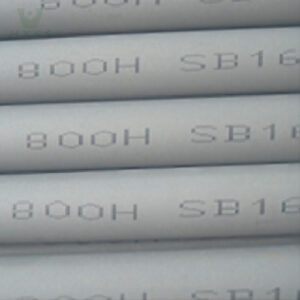


Why Buy Inconel 600, 625, 718 from Huaxiao Metal?
- Stocked in Shanghai warehouse with fast dispatch
- Available forms: sheet, plate, bar, tube, pipe, wire, coil
- EN 10204 3.1 MTC supplied as standard
- MOQ from 100 kg for standard sizes
- 12-hour quote response
- Regular exports to Europe, South America, Southeast Asia and the Middle East
Frequently Asked Questions About Inconel 600, 625 and 718
What is the main difference between Inconel 600 and 625?
Inconel 600 is a nickel-chromium alloy optimized for high-temperature oxidation resistance up to 1093°C.
Inconel 625 adds molybdenum and niobium, giving it superior corrosion resistance and higher strength, especially in welded structures and marine environments.
Is Inconel 718 stronger than Inconel 600?
Yes. Inconel 718 is a precipitation-hardened nickel alloy with tensile strength up to 1240 MPa in aged condition, significantly higher than Inconel 600’s typical 655 MPa. However, Inconel 600 offers better thermal stability at temperatures above 700°C.
Which Inconel alloy is best for high temperature?
For continuous service above 1000°C, Inconel 600 is the best choice due to its excellent resistance to oxidation and carburization. Inconel 625 is suitable up to about 980°C, while Inconel 718 is typically limited to around 704°C for long-term use.
What is the price difference between Inconel 600, 625 and 718?
Inconel 600 is generally the most economical, typically ranging from USD 22-38 per kg. Inconel 625 ranges from USD 35-60 per kg, and Inconel 718 ranges from USD 45-80 per kg. Final prices depend on form, size, quantity, certification and market nickel prices.
Can I buy Inconel 600 from a supplier in China?
Yes. Huaxiao Metal supplies Inconel 600 sheet, plate, bar, tube, pipe, wire and coil from Shanghai, China. We provide EN 10204 3.1 MTC, support MOQ from 100 kg and reply to quotes within 12 hours.
Which Inconel alloy is easiest to weld?
Inconel 625 is generally the easiest to weld while maintaining excellent corrosion resistance and strength. Inconel 600 welds well with standard nickel-alloy procedures. Inconel 718 requires careful heat treatment control after welding to achieve full strength.
In Conclusion
While all three alloys belong to the Inconel family, each serves a different purpose:
Inconel 600 → Best for oxidation resistance and high-temperature service.
Inconel 625 → Best for corrosion resistance and marine environments.
Inconel 718 → Best for maximum strength and aerospace applications.
For most industrial buyers comparing Inconel 600 vs 625 vs 718, the right choice depends on whether temperature resistance, corrosion resistance, or mechanical strength is the primary design requirement.
Before final material selection, always consider operating temperature, environmental exposure, fabrication requirements, certification standards, and total lifecycle cost.
Still Unsure Which Inconel Alloy You Need?
Send us your application, temperature, corrosion environment and quantity. Our material engineers will recommend the right grade and send you a competitive quote within 12 hours.